
Contents
When your garage door malfunctions after hours, it’s crucial to handle the situation methodically. Identifying the issue quickly can save you time and frustration. Start by evaluating the situation and knowing your door type. Having the right tools and understanding common problems can make a difference. But what steps should you take next? Let’s explore the crucial tips that can help you navigate these late-night emergencies effectively.
Key Takeaways
- Keep a list of trusted emergency repair services available for after-hours assistance, ensuring they have quick response times.
- Familiarize yourself with common garage door issues to communicate effectively with technicians during after-hours calls.
- Ensure your garage door area is clear for easy access by repair technicians to expedite the service process.
- Inspect your garage door power supply and check for tripped breakers before contacting a repair service to rule out simple fixes.
- Document any unusual sounds or malfunctions to provide detailed information to the technician, aiding in quicker diagnosis and repair.
Assess the Situation Before Calling for Help
Before you call a professional for garage door repair, it’s essential to assess the situation yourself. Start by checking the door’s power supply; verify it’s plugged in and the circuit breaker hasn’t tripped.
Next, examine the remote and wall switches for any signs of malfunction. If you have a troubleshooting guide, use it to identify common issues like misaligned sensors or blocked tracks.
Additionally, take note of any unusual sounds or movements during operation. These details can help you troubleshoot the problem better.
Make a list of emergency contacts for repair services you trust, as this can save you time during urgent situations.
Know Your Garage Door Type
To effectively troubleshoot garage door issues, you need to identify your door’s mechanism, whether it’s an overhead, roll-up, or sliding type.
Each mechanism has unique components and common problems that can arise. Understanding these specifics will streamline your repair process and enhance your maintenance efforts.
Identify Door Mechanism
Understanding the type of garage door mechanism you have is essential for effective repairs and maintenance. There are several door types, including overhead, sectional, and roller doors, each functioning differently.
Overhead doors utilize a track-and-wheeled system, while sectional doors operate through hinged panels. Roller doors roll up around a drum, making them ideal for limited space.
Familiarizing yourself with these mechanism functions will help you troubleshoot issues more effectively. For instance, if your overhead door is off-track, knowing its mechanism allows you to identify the problem quickly.
Recognize Common Issues
While you may be familiar with the general operation of your garage door, recognizing common issues specific to your door type can save you time and effort in repairs. Each type of garage door—be it sectional, roller, or tilt-up—has its unique characteristics.
Pay attention to common door noises like grinding, squeaking, or banging, as these often indicate worn-out components or misalignment. Similarly, unusual door movements, such as jerking or failing to open fully, can signal issues with the tracks or springs.
Gather Essential Tools and Supplies
Before starting any garage door repair, you need to gather essential tools and supplies.
Basic tools like wrenches, screwdrivers, and a level are vital for most tasks, while safety equipment such as gloves and goggles protects you during repairs.
Having the right tools on hand streamlines the process and ensures your safety.
Basic Tools Needed
Having the right tools is essential for effective garage door repair. You’ll need to gather various types of tools to ensure you’re prepared for any repair essentials that come your way.
| Tool Type | Purpose |
|---|---|
| Screwdriver Set | Tightening or loosening screws |
| Pliers | Gripping and bending components |
| Wrench Set | Adjusting nuts and bolts |
Safety Equipment Importance
Safety equipment is essential when tackling garage door repairs, as it protects you from potential hazards. Before starting any repair, make certain you gather the necessary safety gear.
This includes sturdy gloves to shield your hands from sharp edges and heavy components, safety goggles to protect your eyes from debris, and a hard hat if you’re working in an area where objects might fall.
Wearing a high-visibility vest can also enhance your presence, especially during low-light conditions. Additionally, keep a first aid kit nearby for emergencies.
Investing in personal protection ensures your safety and fosters a sense of belonging to a community that values responsible DIY practices.
Check for Power Issues
One of the first steps in diagnosing garage door issues is to check for power problems. Start by inspecting your circuit breakers. If your garage door isn’t functioning, it might be due to a tripped breaker. Reset any that are off; this simple step can save you time and frustration.
Next, look for signs of power surges that could have affected your garage door opener. These surges can damage the opener’s internal components, leading to operational failures. If you notice burnt smells or unusual sounds from the opener, it’s vital to address these issues immediately.
Additionally, confirm that the opener is plugged in securely and that the outlet is working by testing it with another device.
Understand Common Garage Door Problems
When your garage door isn’t operating correctly, it often stems from common issues like broken springs, misaligned tracks, or remote control malfunctions.
Recognizing these problems can help you troubleshoot effectively and determine whether a repair or replacement is necessary.
Understanding these signs will ensure your garage door remains functional and secure.
Broken Springs Issues
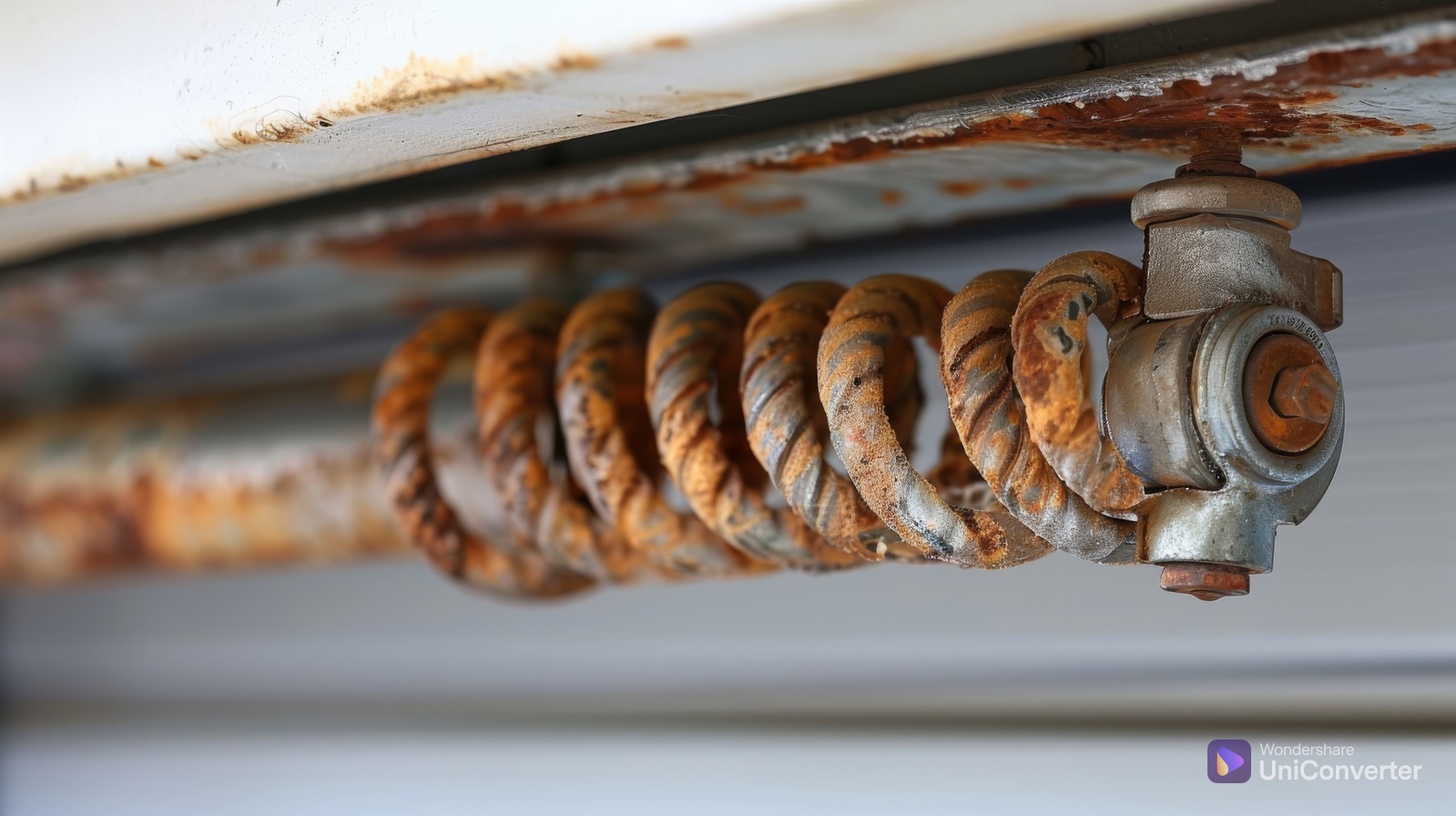
Many homeowners encounter issues with broken garage door springs, which are crucial components that bear the weight of the door and facilitate its smooth operation.
When a spring breaks, it can result in improper spring tension, causing the door to malfunction or become inoperable. Recognizing the signs of a broken spring—such as a loud noise during operation or a door that won’t lift—is imperative for timely repairs.
If you suspect a broken spring, immediate spring replacement is necessary to restore functionality. Attempting repairs without proper knowledge can lead to further damage or injury, so it’s best to call a professional.
Understanding these issues will help you maintain your garage door and ensure it operates safely and efficiently.
Misaligned Tracks Signs
Have you noticed your garage door behaving erratically? One common issue could be misaligned tracks. Signs of misalignment often include uneven door movement, unusual noises during operation, or the door getting stuck halfway.
You might also observe gaps between the door and the tracks, which can lead to further complications. If you find that your garage door shakes or jerks as it opens or closes, it’s a clear indicator that the tracks need adjustment.
Ignoring these signs can worsen the problem and pose safety risks. Regularly inspecting your garage door will help you catch misaligned tracks early, ensuring smooth operation and extending the life of your door system.
Don’t hesitate to seek professional help if needed.
Remote Control Malfunctions
Remote control malfunctions can disrupt the convenience of your garage door system.
If your garage door isn’t responding, the first thing to check is the remote battery. A weak or dead battery can prevent the remote from sending a signal. Replace it and see if that resolves the issue.
If the problem persists, consider potential signal interference. Nearby electronic devices, wireless routers, or even thick walls can obstruct the remote’s signal.
Try standing closer to the door when using the remote or check for any obstructions.
If you still face issues after these steps, you might need to reprogram your remote or consult a professional for further diagnosis.
Understanding these common malfunctions can help you maintain your garage door’s functionality.
Utilize Online Resources for Troubleshooting
How can you effectively troubleshoot your garage door issues? Start by tapping into the wealth of online resources available to you.
Online forums are excellent platforms where fellow garage door owners share their experiences and solutions. You can post your specific problem and receive tailored advice from those who’ve faced similar issues.
Additionally, troubleshooting videos on platforms like YouTube offer visual guidance that can be incredibly helpful.
These step-by-step demonstrations break down complex repairs into manageable tasks, making it easier for you to follow along.
Contact a Reliable After-Hours Service
While online resources are valuable for troubleshooting, some garage door issues require immediate professional attention, especially if they occur outside regular business hours. You need to contact a reliable after-hours service that specializes in garage door repair.
Start by identifying emergency contacts within your area that have a proven track record of quick response times and quality service. Check their service availability to ensure they can assist you when you need them most.
A dependable repair service should be transparent about their pricing and provide estimates upfront. Look for providers with positive customer reviews and recommendations from your community, as this fosters a sense of belonging and trust.
Having a go-to after-hours service can alleviate stress when emergencies arise, allowing you to focus on resolving the issue swiftly and efficiently. Remember, a proactive approach to identifying reliable contacts can save you time and hassle later.
Prepare for the Technician’s Arrival
Preparing for the technician’s arrival is essential to ensure a smooth and efficient repair process. Start by clearing the area around your garage door. This simple step allows the technician to access the door easily and work without distractions.
Next, gather any relevant documents, such as warranties or previous repair records, to provide clear information about your garage door system.
When the technician arrives, communicate effectively about the issues you’ve experienced. Be specific about any unusual sounds, malfunctions, or recent changes in performance. This information will help the technician diagnose the problem more quickly and accurately.
If there are any specific concerns or preferences regarding the repair, don’t hesitate to share those as well. By preparing adequately and sharing information openly, you contribute to a collaborative atmosphere, making the repair process more efficient for everyone involved.
Keep Safety as a Top Priority
Ensuring safety remains a top priority during any garage door repair. Before starting, familiarize yourself with essential safety protocols.
Always wear protective gear like gloves and goggles to shield against sharp edges and heavy components. If you’re working with tools or electrical components, maintain a clear workspace to avoid hazards.
Make certain to disconnect the power supply to the garage door opener to prevent accidental activation. It’s also wise to keep emergency contacts handy. In case of an injury or an unexpected situation, knowing who to call can make a difference.
If you’re uncertain about any repair, don’t hesitate to reach out to a professional.
Follow Up on Repairs and Maintenance
After completing your garage door repairs, it’s crucial to follow up with regular maintenance to ensure everything functions smoothly. A proper repair follow-up assures longevity and enhances safety. Set reminders for routine checks to keep your garage door in top shape.
Here’s a quick reference table for your maintenance reminders:
| Task | Frequency | Notes |
|---|---|---|
| Lubricate moving parts | Every 6 months | Use a silicone-based lubricant. |
| Inspect cables and springs | Annually | Check for wear or fraying. |
| Test auto-reverse feature | Monthly | Confirm it activates when blocked. |
Review
When the garage door malfunctions after hours, don’t let stress cloud your judgment. By staying prepared and informed, you can navigate the night like a seasoned sailor through stormy seas. Remember to assess the situation, gather your tools, and prioritize safety. With the right approach and reliable service on speed dial, you’ll turn a potential crisis into a manageable repair. Regular maintenance will keep your garage door running smoothly, ensuring peace of mind when the sun sets.
Recent Posts
Why Follow This Garage Door Installation Guide?
When installing a garage door, a small mistake like misaligning the tracks can lead to
3 Best Steps for Garage Door Installation
Did you know that many homeowners tackle garage door installation themselves? This statistic highlights the
How to Install Your Garage Door: Step-by-Step Guide
Installing your garage door might sound like a challenging task, but with the right approach,