
Contents
When it comes to garage door repair and maintenance, knowing a few essential repair techniques can save you time and money. Regular inspections and simple adjustments can prevent major issues down the line. You’ll want to understand how to troubleshoot common problems, replace worn parts, and fine-tune your opener settings. Plus, it’s vital to recognize when a professional is needed. Let’s explore these effective strategies to keep your garage door in top shape.
Key Takeaways
- Regularly inspect and lubricate springs, hinges, and rollers to ensure smooth operation and prevent wear.
- Troubleshoot common issues by checking sensors for dirt or misalignment; clear debris to restore functionality.
- Replace worn-out parts like springs and cables using high-quality components specific to your garage door model.
- Adjust opener settings for sensitivity and travel limits to ensure the door operates correctly and safely.
- Know when to call a professional for unusual noises, misalignment, or broken components to avoid safety hazards.
Inspecting and Maintaining Garage Door Components
Inspecting and maintaining your garage door components is essential for ensuring its smooth operation and longevity.
Start by checking springs; they’re vital for lifting and lowering your door. Look for any signs of wear or rust, as faulty springs can lead to bigger issues down the line.
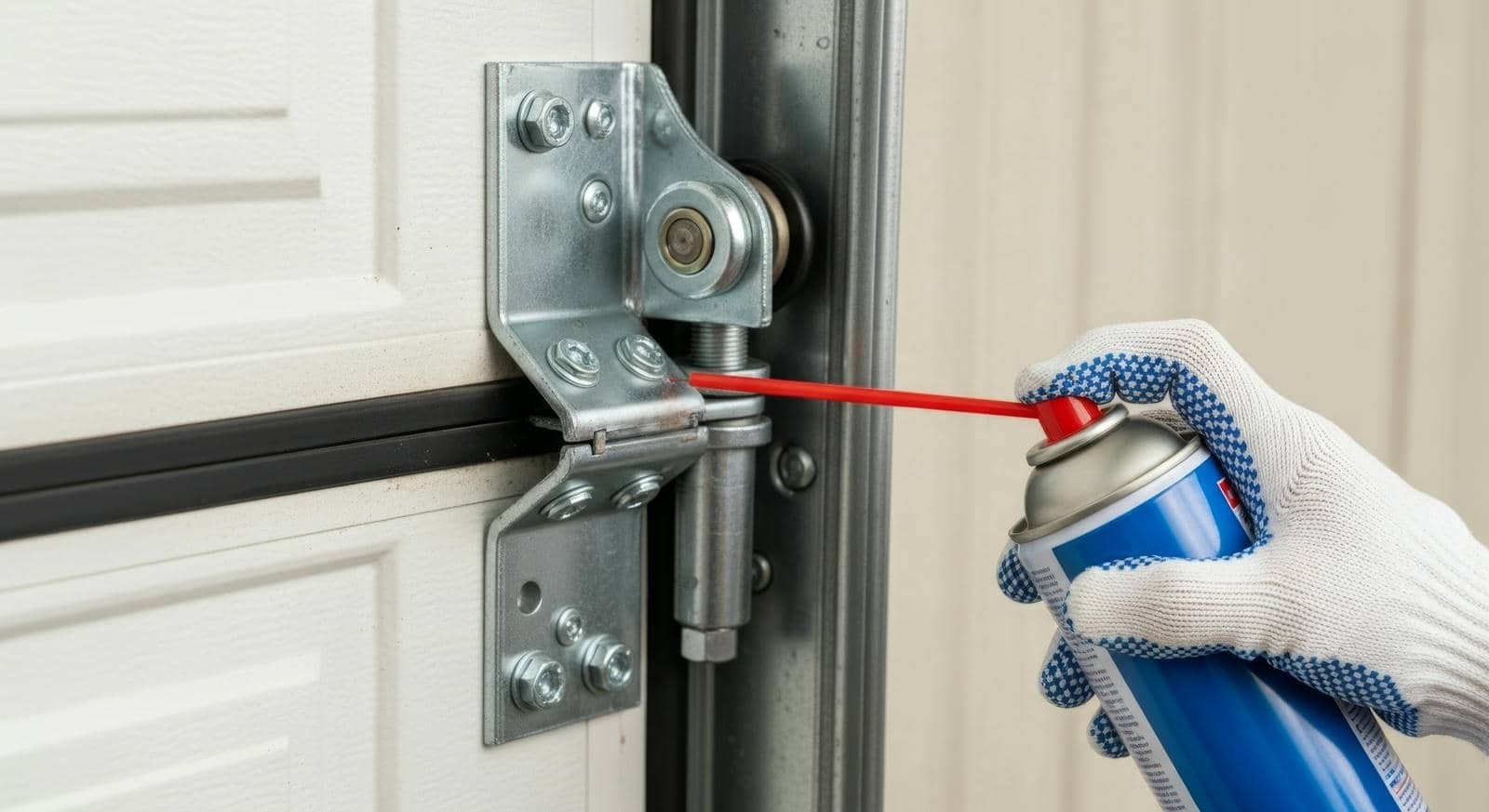
Next, focus on lubricating hinges. A simple application of silicone or garage door lubricant can prevent squeaking and reduce friction, ensuring your door opens and closes effortlessly.
Don’t forget to inspect the rollers and tracks for dirt or debris, which can hinder performance. Also, make sure all the bolts and screws are tight to avoid unexpected malfunctions.
Regularly performing these maintenance tasks extends the life of your garage door and fosters a sense of pride in your home.
Taking these steps keeps you connected to your space, ensuring it remains safe and functional for you and your family.
Troubleshooting Common Garage Door Issues
When your garage door starts acting up, it can be frustrating, especially if you rely on it daily.
One common issue to check is the door sensors. If your door won’t close, inspect the sensors for dirt or misalignment. Clear any debris and verify they face each other. If they still malfunction, you might’ve to replace them.
Another frequent problem is related to spring tension. If your door feels heavy or won’t open fully, it could be a sign that the springs are worn or improperly adjusted.
Don’t attempt to adjust the springs yourself; this can be dangerous. Instead, call a professional to handle any spring issues safely.
Replacing Worn-Out Garage Door Parts
After troubleshooting common garage door issues, you may find that some parts need replacement to restore peak functionality.
Start by identifying the worn-out components—springs, rollers, or cables often top the list. Once you’ve pinpointed the problem, gather your repair tools, including wrenches, screwdrivers, and pliers, to facilitate the process.
Next, focus on part sourcing. It’s crucial to choose high-quality replacements specific to your garage door model. Local hardware stores or online retailers offer a variety of options.
Don’t hesitate to ask friends or family who’ve tackled similar repairs for recommendations—it’s a great way to build connections while ensuring you get reliable parts.
When you’re ready, follow the manufacturer’s guidelines for installation.
Adjusting Garage Door Opener Settings
To ensure your garage door operates smoothly, adjusting the opener settings is essential.
Start by locating the adjustment screws on your garage door opener. You’ll find two main settings: opener sensitivity and travel limits. Opener sensitivity controls how much force the door needs to open or close before reversing. If your door isn’t detecting obstacles, you might need to increase sensitivity.
Next, adjust the travel limits to ensure the door fully opens and closes without being obstructed. To do this, turn the limit screws until the door reaches the desired position.
Test the door several times after adjustments to confirm it’s functioning correctly. Remember, a well-adjusted garage door enhances convenience and adds to your home’s security.
When to Call a Professional for Repairs
While DIY repairs can be tempting, there are specific situations where calling a professional for garage door repairs is the best choice. If you’re identifying red flags like unusual noises, a door that won’t open or close, or visible damage, it’s time to reach out for help. Additionally, if you’re unsure about evaluating repair costs, a professional can provide a clear estimate and ensure safety.
| Situation | Call a Professional |
|---|---|
| Unusual noises | Yes |
| Door stuck or misaligned | Yes |
| Broken springs or cables | Yes |
| Routine maintenance needed | Maybe (depends on comfort) |
Frequently Asked Questions
How Often Should I Lubricate My Garage Door Components?
You should lubricate your garage door components every six months as part of your maintenance schedule. Regular garage door lubrication helps prevent rust and wear, ensuring smooth operation and extending the lifespan of your garage door.
What Safety Precautions Should I Take While Repairing My Garage Door?
When you’re diving into garage door repairs, don’t forget your safety gear! Create an emergency plan, keep tools organized, and ensure no one’s nearby. Trust me, you’ll be glad you took these precautions!
Can I Paint My Garage Door? If So, How?
Yes, you can paint your garage door! Choose your favorite garage door colors, clean the surface thoroughly, and use appropriate painting techniques like spray or brush methods. Finish with a sealant for durability and a polished look.
What Type of Garage Door Opener Is Best for My Needs?
To choose the best garage door opener, consider a belt drive for quieter operation or a chain drive for durability and cost-effectiveness. Evaluate your specific needs to find the perfect fit for your lifestyle.
How Can I Improve My Garage Door’s Insulation?
To improve your garage door’s insulation, consider using insulation materials like foam boards or reflective barriers. These enhance energy efficiency, keeping your garage comfortable and reducing heating costs, making your space more inviting for everyone.
Summary
So, while you might think your garage door is just a simple entry point, it actually demands a bit of TLC to keep it functioning smoothly. By regularly inspecting, troubleshooting, and adjusting what you can, you’ll save yourself from those dramatic moments when the door refuses to budge. But hey, if you’re ever tempted to become a DIY hero and tackle a broken spring, remember: sometimes it’s wiser to let the pros handle the heavy lifting.
Recent Posts
Why Follow This Garage Door Installation Guide?
When installing a garage door, a small mistake like misaligning the tracks can lead to
3 Best Steps for Garage Door Installation
Did you know that many homeowners tackle garage door installation themselves? This statistic highlights the
How to Install Your Garage Door: Step-by-Step Guide
Installing your garage door might sound like a challenging task, but with the right approach,