
Contents
It’s interesting how many people overlook the importance of garage door springs until one suddenly breaks. When that happens, you need to know whether you’re dealing with torsion or extension springs, as each requires a different repair approach. Understanding these distinctions can save you time and ensure safety. Before you attempt any repairs, let’s explore the unique characteristics of each type and the best practices for addressing their issues effectively.
Key Takeaways
- Commercial garage doors typically use torsion springs for durability, requiring specific winding techniques for repairs compared to residential doors.
- Extension springs in commercial settings often experience higher usage, necessitating more frequent inspections and quicker replacement methods.
- Safety protocols are critical; commercial repairs require enhanced PPE and often involve more complex risk assessments due to larger door sizes.
- Torque Master springs offer added safety in commercial applications, incorporating protective casings that require different maintenance approaches compared to standard springs.
- Professional training is often essential for commercial repairs, ensuring technicians understand unique operational challenges and compliance with safety regulations.
Overview of Garage Door Springs and Their Functions
Garage door springs play an essential role in the operation of your garage door, acting as the primary mechanism that counterbalances the door’s weight. Understanding spring mechanics is crucial for ensuring your garage door operates smoothly and safely.
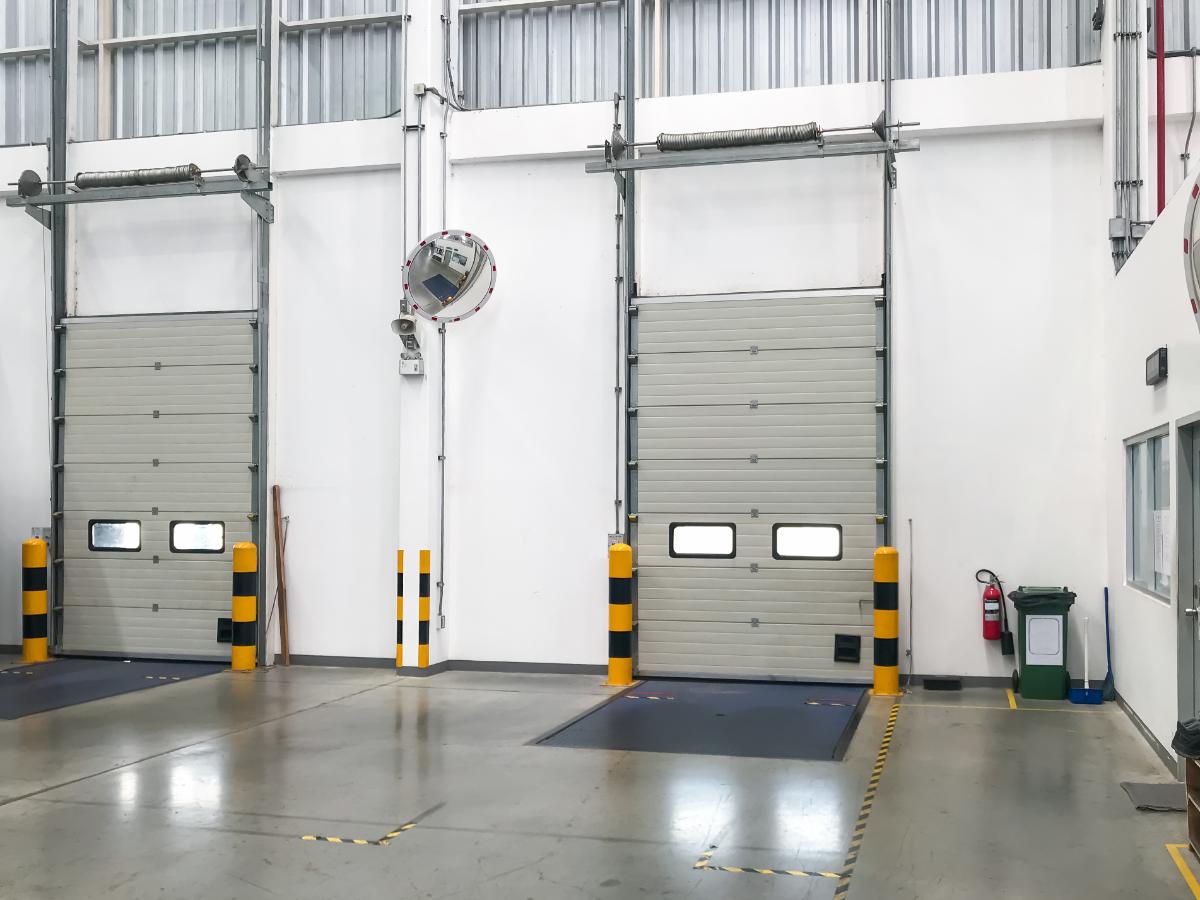
There are two types of springs typically used: torsion springs and extension springs. Torsion springs are mounted above the door, twisting to lift it, while extension springs are located on either side, stretching to provide lift.
Regular spring maintenance is imperative to prevent unexpected failures. Inspect your springs for signs of wear, such as rust or deformation, and make sure they’re properly lubricated to minimize friction.
If you notice any issues, it’s best to address them immediately, as neglect can lead to more serious damage. By staying informed about your garage door springs and their functions, you create a safer, more reliable environment for your daily activities.
Common Types of Garage Door Springs
Understanding the common types of garage door springs is essential for effective maintenance and repair. Each type has a unique spring lifecycle and requires specific care.
Here are the three main types you should know:
Torsion Springs: These are mounted above the door and use torque to lift it. They generally have a longer lifespan and require regular inspections to prevent failure.
Extension Springs: Located on either side of the door, these springs stretch to lift the door. They typically have a shorter lifecycle and need more frequent maintenance checks.
Torque Master Springs: A specialized system that combines torsion springs with a protective casing, enhancing safety and performance. Proper maintenance tips include checking for wear and adjusting tension as needed.
Knowing these types will help you maintain your garage door effectively, ensuring reliability and longevity.
Step-by-Step Repair Techniques for Torsion Springs
When tackling torsion spring repairs, following a systematic approach is essential to ensure safety and effectiveness.
Start by disconnecting the garage door opener and confirming the door is closed securely. Use safety goggles and gloves to protect yourself.
Next, release the tension on the springs by carefully loosening the set screws on the winding cone with a winding rod. Always work with caution, as torsion springs are under significant tension.
Once the tension is released, inspect the springs for wear or damage. If adjustments are needed, make precise torsion spring adjustments by tightening or loosening the winding cone screws, confirming both springs are balanced.
Remember to regularly apply lubricant to the springs and other moving parts as part of your spring maintenance tips. This prolongs their lifespan and ensures smooth operation.
Finally, recheck all connections before reattaching the garage door opener.
Step-by-Step Repair Techniques for Extension Springs
Repairing extension springs requires a careful approach similar to torsion spring repairs, but involves different techniques due to their unique mechanics.
To effectively manage spring tension and ensure proper spring maintenance, follow these steps:
Disconnect the Garage Door Opener: Always start by unplugging the opener to prevent accidental activation while you work.
Assess Spring Condition: Inspect the springs for wear, rust, or damage. If they seem compromised, replace them.
Remove and Replace the Springs: Loosen the bolts securing the springs, then carefully detach them from their brackets.
Install new springs by reversing the removal process, ensuring they’re properly tensioned.
Safety Considerations During Garage Door Spring Repairs
While tackling garage door spring repairs, prioritizing safety is essential to prevent accidents and injuries.
Start with a thorough risk assessment to identify potential hazards, including high tension in springs and sharp edges. Verify you’re equipped with personal protective equipment (PPE) such as safety goggles, gloves, and steel-toed boots. This gear mitigates risks associated with flying debris and accidental contact with springs under tension.
Always work with a partner when replacing springs; having someone nearby can provide assistance in case of emergencies. Never attempt to adjust or replace springs alone, as their tension can cause severe injuries if released improperly.
Secure the garage door in the open position using appropriate locks or clamps to avoid unexpected descents during repairs. By taking these precautions, you create a safer environment for yourself and anyone nearby, fostering a culture of safety within your team.
Summary
In the world of garage doors, springs are the silent sentinels, holding the weight of your access point like the sturdy roots of a tree. Torsion springs demand a careful craftsman’s touch, while extension springs invite a more straightforward approach. By respecting each type’s unique qualities and understanding their repair intricacies, you’ll ensure your garage door stands strong and reliable, much like a well-tended garden that flourishes with regular care and attention.
Recent Posts
10 Must-Have Safety Features for Overhead Doors
When it comes to selecting overhead doors, understanding essential safety features is crucial for functionality
5 Best Tips for Troubleshooting Garage Door Issues
When your garage door malfunctions, it can be frustrating. You need to start by checking
What Are Common Garage Door Opener Issues?
Like a well-oiled machine, your garage door opener should function seamlessly, but that’s not always