
Contents
When your garage door malfunctions, it can disrupt your daily routine. You might notice it hesitating, not closing completely, or making unusual noises. By identifying common problems and their causes, you can effectively troubleshoot the issue. But before you get started, it’s essential to gather the right tools and understand the necessary safety precautions. Let’s explore how to diagnose these issues and determine when it’s time to call in a professional.
Key Takeaways
- Check sensor alignment and clean them to ensure proper functionality and prevent malfunctions.
- Inspect springs and cables for wear; replace broken parts immediately to avoid safety hazards.
- Use a multimeter to test electrical components for faults, ensuring reliable operation.
- Regularly lubricate rollers and hinges to minimize noise and enhance smooth movement.
- If issues persist or involve complex repairs, consult a professional to prevent further damage.
Common Garage Door Problems and Their Causes
When your garage door refuses to open or close properly, it can be both frustrating and inconvenient. One common issue often stems from sensor alignment. If the sensors on either side of the door are misaligned, your door may not operate as intended.
Verify the sensors face each other without obstruction, as even minor misalignments can disrupt functionality.
Another frequent cause is spring tension. Your garage door relies on springs to balance its weight, and if these springs are worn or improperly adjusted, you’ll notice the door behaving erratically.
Inspect the springs for any visible damage or signs of wear.
Addressing these issues promptly can restore your garage door’s reliability and keep your home secure. By understanding the causes behind these common problems, you’ll feel more empowered to troubleshoot effectively and maintain a functioning garage door system.
Tools Needed for Garage Door Troubleshooting
To effectively troubleshoot your garage door, you’ll need a few essential tools.
Having the right safety gear is vital to protect yourself while working.
Let’s outline the tools you should gather for a successful repair.
Essential Tools Overview
Although troubleshooting a garage door might seem challenging, having the right tools at your disposal can make the process much smoother.
Here’s a quick overview of essential tools you’ll need:
- Socket Wrench Set: Useful for tightening or loosening hardware.
- Screwdrivers: Both flathead and Phillips head to handle various screws.
- Garage Door Lubricants: Crucial for ensuring smooth operation and preventing wear.
- Repair Manuals: These provide important guidance on specific issues and solutions.
With these tools, you’ll feel more equipped to tackle common garage door problems.
Always remember that a well-maintained garage door lasts longer and enhances your home’s security and functionality.
Happy troubleshooting!
Safety Gear Importance
While troubleshooting your garage door, prioritizing safety gear is vital to protect yourself from potential hazards.
Wearing the right protective gear can greatly reduce the risk of injury. Start with safety glasses to shield your eyes from debris and dust. Heavy-duty gloves are essential for maintaining a strong grip while protecting your hands from sharp edges. Steel-toed boots provide foot protection against heavy components that might fall.
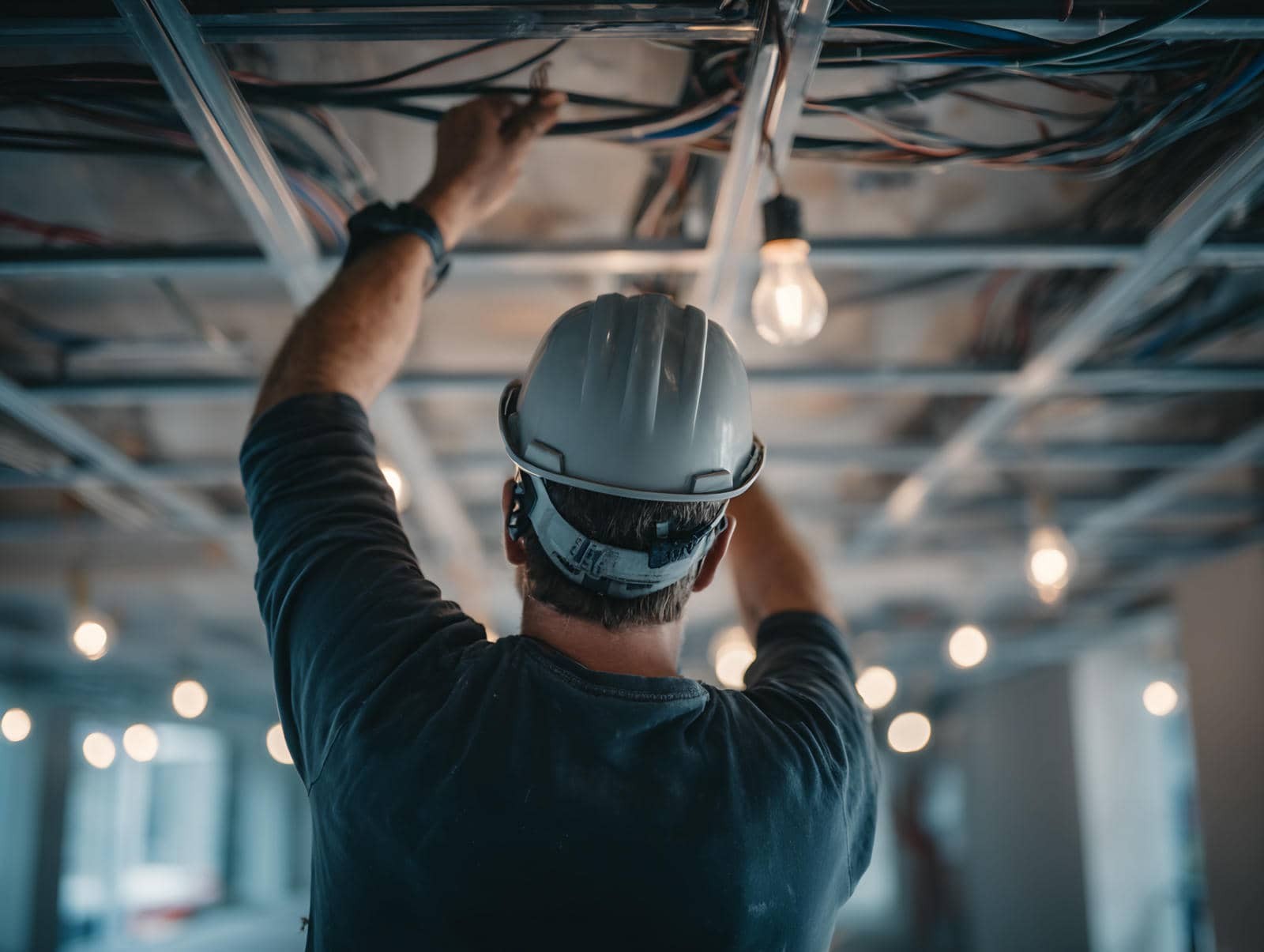
Finally, a hard hat can protect your head during overhead work. Always verify that your safety equipment is in good condition; damaged gear can compromise your safety.
Step-by-Step Guide to Diagnosing Garage Door Issues
When diagnosing garage door issues, start by identifying common problems you might face.
You’ll need essential diagnostic tools to assess the situation effectively, and remember to prioritize safety precautions throughout the process.
This guide will help you systematically troubleshoot and resolve any issues.
Common Garage Door Problems
Garage doors can encounter a variety of problems, often leaving homeowners frustrated and unsure of how to proceed.
To help you diagnose these issues, here are four common problems to check:
Door Alignment: If your garage door isn’t closing evenly, it may need realignment. Inspect the tracks for bends or obstructions.
Sensor Malfunctions: Misaligned or dirty sensors can prevent the door from functioning. Clean the sensors and verify they’re properly aligned.
Noisy Operation: Loud noises during operation often indicate worn rollers or hinges. Lubricate moving parts to minimize sound.
Stuck Door: A door that won’t move could be due to a broken spring or cable. Check for visible damage and replace as needed.
Identifying these issues early can save you time and money.
Essential Diagnostic Tools
To effectively diagnose garage door issues, you’ll need a few essential tools that can assist in identifying the problem accurately.
Start with a reliable multimeter for testing electrical components. Knowing how to use it for voltage and continuity checks can save you time and effort.
Next, consider diagnostic software designed for garage door systems; this can help you analyze error codes and provide detailed insights into the system’s performance.
Having these tools at your disposal enhances your troubleshooting skills and fosters a sense of community as you connect with others who share similar challenges.
Safety Precautions First
Before diving into troubleshooting your garage door, it’s crucial to prioritize safety. Ensuring you follow proper garage door safety protocols can prevent accidents and injuries.
Here’s a quick checklist to keep in mind:
Disconnect Power: Always unplug the garage door opener before starting any work.
Inspect Cables and Springs: Check for frays or breaks, as these can pose serious hazards.
Use Personal Protective Equipment: Wear gloves and safety goggles to protect against injuries.
Have an Emergency Plan: Familiarize yourself with emergency procedures for your garage door, including how to manually operate it if needed.
Safety Precautions When Working on Garage Doors
When working on garage doors, it’s crucial to prioritize safety to prevent accidents and injuries. Always disconnect the power before you start any repairs to avoid unexpected movements.
Check the garage door locks to verify they’re functioning properly; faulty locks can lead to security issues while you work.
When handling springs or cables, be cautious—these components are under high tension and can cause serious harm if released unexpectedly. If you need to manually operate the door, use the emergency release mechanism to disengage the opener safely.
Wear safety goggles and gloves to protect yourself from debris and sharp edges.
Finally, confirm your workspace is clear of any obstacles to prevent tripping hazards.
By taking these precautions, you’re not just protecting yourself; you’re fostering a culture of safety in your household.
When to Call a Professional for Garage Door Repairs
Although many garage door issues can be resolved with DIY methods, certain problems require the expertise of a professional.
Recognizing the professional repair signs can save you time and prevent further damage. Here are four situations where it’s best to call in a pro:
Repeated Malfunctions: If your garage door frequently jams or doesn’t open smoothly, it indicates underlying issues.
Unusual Noises: Grinding, squeaking, or banging sounds often signal serious mechanical problems.
Broken Springs: These components are under immense tension and can be dangerous to replace without proper training.
Electrical Issues: If the opener’s wiring malfunctions or the sensors are misaligned, a professional’s knowledge is essential for safe repairs.
Preventive Maintenance Tips for Garage Doors
Regular maintenance is key to extending the lifespan of your garage door and preventing costly repairs. By adhering to a consistent maintenance schedule, you can ensure your door operates smoothly and safely. Conduct preventive inspections every few months to check for wear and tear on springs, cables, and hardware.
Here’s a simple maintenance checklist to guide you:
| Task | Frequency | Purpose |
|---|---|---|
| Lubricate moving parts | Every 6 months | Reduces friction |
| Inspect cables/springs | Every 3 months | Ensures safe operation |
| Test auto-reverse feature | Monthly | Increases safety |
Frequently Asked Questions
How Long Do Garage Doors Typically Last Before Needing Replacement?
Your garage door’s lifespan typically ranges from 15 to 30 years. Look for replacement indicators like unusual noises, frequent jams, or visible wear. Regular maintenance can help extend its life, ensuring it serves you well.
What Are the Signs of a Failing Garage Door Opener?
You’ll notice signs of a failing garage door opener through noise indicators like grinding sounds or clicking. If remote malfunctions occur frequently, it’s time to assess the opener’s functionality and consider potential repairs or replacement.
Can Weather Conditions Affect Garage Door Performance?
Yes, weather conditions can greatly affect your garage door’s performance. Temperature fluctuations and high humidity levels may cause components to expand or contract, leading to operational issues or malfunctions that you’ll want to address promptly.
Is It Safe to Lubricate Garage Door Parts Myself?
Yes, you can safely lubricate garage door parts yourself. Just make certain you use appropriate lubricants for garage door maintenance. Always follow manufacturer guidelines to avoid damaging components and maintain ideal lubrication safety for smooth operation.
What Should I Do if My Garage Door Is Off Track?
If your garage door’s off track, like when Sarah’s door unexpectedly derailed, you’ll need to follow safety precautions. Carefully assess the situation, then attempt track realignment by guiding the rollers back into place.
Recap
Regular maintenance and quick troubleshooting can greatly extend your garage door’s lifespan. By keeping an eye on sensors, springs, and tracks, you can catch issues early and avoid costly repairs. If you’re ever unsure, don’t hesitate to call a professional. Remember, a well-maintained garage door operates smoothly and enhances your home’s safety and security.
Recent Posts
10 Must-Have Safety Features for Overhead Doors
When it comes to selecting overhead doors, understanding essential safety features is crucial for functionality
5 Best Tips for Troubleshooting Garage Door Issues
When your garage door malfunctions, it can be frustrating. You need to start by checking
What Are Common Garage Door Opener Issues?
Like a well-oiled machine, your garage door opener should function seamlessly, but that’s not always