
Contents
You may not realize that garage door replacement often ranks among the highest-ROI exterior upgrades you can make. You’re not just buying a new door; you’re influencing resale price, buyer perception, and time on market. The value return depends on style, material, and local demand, but mid-range steel doors usually perform best. The real question is how much of your cost you can recover—and when the numbers actually justify the upgrade.
Key Takeaways
- Garage door replacement can deliver strong resale ROI because buyers judge it as a major curb appeal and maintenance signal.
- A new door often recoups much of its cost, with mid-range models typically outperforming premium options.
- Clean steel or flush-style doors usually add the best value by matching buyer expectations without overspending.
- Professional installation matters because proper fit, safety, and reliability support the home’s perceived quality and resale appeal.
- Replace the door when it is damaged, noisy, inefficient, or nearing costly repairs that approach half the replacement price.
What Garage Door ROI Means for Sellers
When you’re evaluating garage door replacement ROI, you’re looking at how much of the project cost you can recover at resale, not just how the door improves curb appeal.
For you, garage door replacement roi measures efficiency: dollars in, dollars back out, with less emphasis on personal taste and more on market response. You want a door that signals care, consistency, and membership in a well-kept neighborhood, because buyers notice homes that fit the block.
Sellers benefit when the replacement aligns with local pricing, expected buyer standards, and minimal maintenance concerns. If the numbers show a strong return, you’re not spending blindly; you’re making a calculated move that helps you compete, protect equity, and present your home as move-in ready.
How Much Value a New Garage Door Adds
A new garage door can add real resale value because it improves both first impressions and buyer confidence at a relatively modest cost.
In many markets, you can recoup a large share of your replacement expense at resale, often near the top of home projects. That means a $4,000 door may help you sell for thousands more than a worn one, though exact gains depend on your neighborhood, home price, and condition.
You’re not just buying a product; you’re aligning your home with what buyers expect in your price range. If you want to stay competitive, this upgrade can narrow price objections and reduce discount pressure.
The numbers usually favor sellers who make the swap before listing.
Why Garage Doors Add So Much Value
You can get outsized ROI from a garage door because it makes a big curb appeal boost for a relatively modest cost.
Buyers often form a strong first impression before they step inside, and that perception can directly lift your resale value.
In cost terms, a new garage door often ranks high because it changes how your whole home reads in the market.
Curb Appeal Boost
Even before buyers step inside, a garage door can shift first impressions and resale value, which is why replacement often delivers one of the highest ROIs in home improvement.
You’re not just buying a panel; you’re buying visual equity that can lift perceived worth without a major remodel. In cost terms, a new door usually delivers strong payback because it covers a large portion of the facade for a relatively low install price.
- It refreshes the widest street-facing surface.
- It reduces the “dated exterior” penalty.
- It helps your home fit the neighborhood standard.
When your exterior feels coordinated, buyers feel they belong there, and that sentiment can support better offers.
The return is driven by simple math: modest spend, broad impact, and stronger market positioning.
Strong First Impressions
Strong first impressions are where garage door replacement starts paying off, because buyers judge the home before they ever see the interior.
You’re not just updating hardware; you’re improving the cost-to-perception ratio at the front of the property. A clean, modern door signals care, order, and a home that fits in with the neighborhood.
That matters because buyers compare homes fast, and they tend to favor places that feel move-in ready. If your current door looks faded, dented, or outdated, it can quietly lower the home’s perceived value.
A replacement helps you present a stronger, more cohesive exterior without overspending on larger projects. For many sellers, that’s the smartest place to invest.
High Resale Impact
Garage doors deliver outsized resale impact because they combine a relatively moderate project cost with a highly visible exterior payoff, which often pushes the return on investment above many other remodeling jobs.
You’re not just updating hardware; you’re improving the face of your home and signaling care to buyers who want to feel they belong in a well-kept neighborhood.
- Lower cost than many major remodels
- High visual influence in listing photos
- Strong alignment with buyer expectations
When you compare cost to resale lift, the math looks compelling. Buyers often judge value in seconds, so a clean, modern door can reduce discount pressure and support a higher offer.
That’s why this upgrade tends to rank near the top for ROI.
Which Door Styles Deliver the Best ROI
Which door styles tend to produce the best resale payback?
You’ll usually get the strongest ROI from clean, mid-range steel doors with classic raised panels, because buyers read them as safe, updated, and familiar.
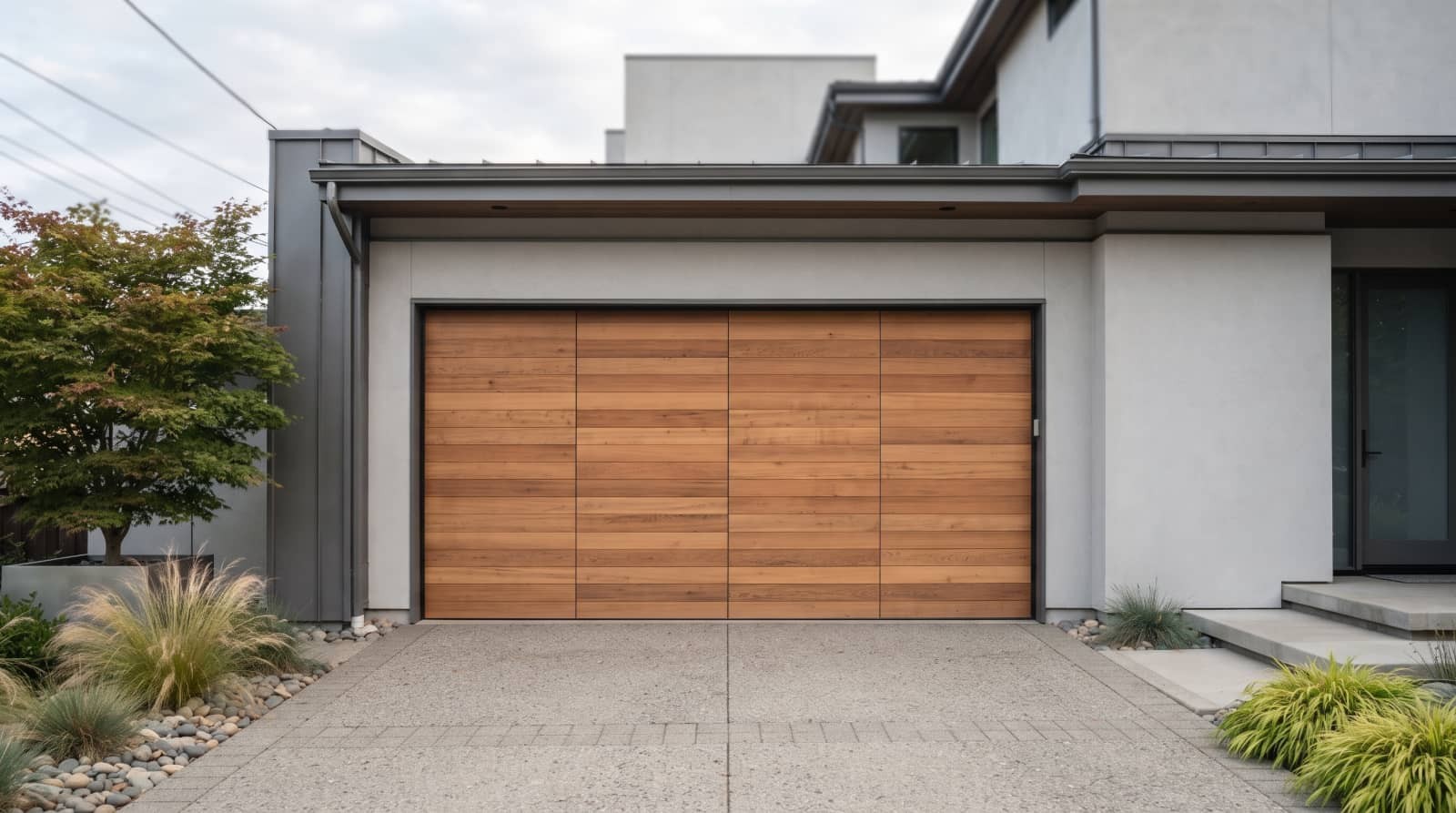
If your home has a more modern profile, a flush steel door with simple windows can also perform well, since it looks current without pushing costs too high.
Faux wood finishes can deliver solid value too when they match the neighborhood and elevate curb appeal without the maintenance premium of real wood.
You don’t need the priciest model to belong in a desirable market; you need a style that fits the home, looks intentional, and keeps your upgrade cost disciplined.
The best payback comes from appeal plus restraint.
What Factors Change Garage Door ROI
Your garage door ROI changes most when you compare material costs, durability, and the resale premium each option can support.
Steel, wood, and composite doors don’t just differ in upfront price—they also affect maintenance spending and how long the return holds.
Curb appeal can push that return higher, since buyers often pay more for a door that makes the whole exterior look updated and well kept.
Door Material Impact
When you evaluate garage door replacement ROI, material choice often changes the numbers more than style alone. You can boost payback when you match cost, durability, and maintenance to your local market.
Steel usually gives you the strongest value because it’s affordable, tough, and easy to maintain. Wood costs more upfront and can raise replacement expense, but it may justify the premium if buyers in your area expect it.
Composite and aluminum sit in the middle, trading lower upkeep for varying insulation and dent resistance.
- Steel: lowest lifecycle cost
- Wood: higher spend, higher upkeep
- Composite/aluminum: balanced ROI
You’ll see better returns when your door fits neighborhood norms and keeps long-term ownership costs predictable.
Curb Appeal Influence
Curb appeal can move garage door replacement ROI as much as the door itself, because buyers price the home before they ever step inside. You’re not just replacing a panel; you’re changing the first impression that shapes perceived value.
When your door matches the facade, trim, and neighborhood style, you reduce visual friction and make the property feel move-in ready. That lowers buyer resistance and can support a stronger offer.
Clean lines, modern finishes, and coordinated hardware usually outperform mismatched designs because they signal care and cohesion. If your home already looks polished, the new door compounds that advantage.
If the exterior feels dated, the right door can close the gap cheaply. In most markets, that’s where ROI improves: not from luxury, but from fit.
How to Maximize Your ROI
To maximize garage door replacement ROI, focus on the features buyers value most and the upgrades that protect resale price without overspending. You’ll usually get the best return from a durable, insulated steel door with clean lines and reliable hardware.
Choose midrange materials; they often deliver stronger resale value per dollar than premium custom builds.
Match the door style to nearby homes so your property fits the neighborhood’s shared expectations and feels inviting.
Invest in weather seals, quiet operation, and professional installation, since low-cost performance upgrades reduce future repair risk.
Track total project cost against local resale data, not showroom hype.
When you balance appearance, efficiency, and restraint, you position your home to stand out for the right reasons and keep more of your budget working for you.
Is a New Garage Door Worth It Before Selling?
Yes—a new garage door is often worth it before selling because it tends to deliver one of the strongest resale returns of any home project. You can usually recoup a large share of the cost, and buyers often notice the exterior upgrade immediately.
That matters because your home needs to feel current, cared for, and easy to join. A clean, modern door can lift curb appeal, reduce buyer hesitation, and make your listing compare better against nearby homes.
If your old door looks worn, dated, or noisy, the numbers can work in your favor. You’re not just spending on appearance; you’re improving marketability.
For a relatively moderate investment, you may strengthen your asking position and shorten time on market.
When a Garage Door Replacement Makes Sense
A garage door replacement makes the most sense when the existing door is dragging down value, not just appearance. You’ll usually see the strongest ROI when the door is dented, warped, noisy, or inefficient, because buyers read those signals as future costs.
In many markets, a new door can recoup a large share of its price at resale, especially if it matches neighborhood expectations.
Replace it if repairs approach 50% of the replacement cost.
Replace it if curb appeal gaps are hurting comparable sales.
Replace it if insulation or safety features lag behind standard.
When you upgrade, you’re joining the homes buyers trust faster, and that confidence can shorten days on market while protecting your asking price.
Frequently Asked Questions
How Long Does a New Garage Door Installation Usually Take?
Usually, you’ll spend 3 to 5 hours on a new garage door installation, depending on size, opener setup, and framing work. That timing helps you budget labor, minimize disruption, and stay on schedule.
Should I Replace Garage Door Hardware Too?
Yes, you should replace worn hardware too. You’ll improve reliability, reduce future repair costs, and protect your investment. If springs, rollers, or hinges are aging, upgrading them together usually delivers better value and smoother operation.
Do Insulated Doors Improve Energy Efficiency?
Yes—insulated doors can cut heat transfer, trim bills, and stabilize your garage’s climate. Think of them as a thermal blanket; you’ll often see better efficiency, especially if you use that space daily.
What Maintenance Lowers Garage Door Replacement Costs?
You’ll lower replacement costs by lubricating moving parts, tightening hardware, replacing worn rollers, and testing balance quarterly. Catching spring or cable wear early prevents costly failures, and routine inspections reduce the odds you’ll need a full replacement.
Can I Finance a Garage Door Replacement?
Yes, you can finance a garage door replacement through home improvement loans, contractor plans, or credit cards. You’ll compare rates, terms, and fees to keep monthly costs manageable and protect your budget.
Summary
So, if you’re weighing garage door replacement ROI, the numbers usually favor you. A mid-range steel door can recover a large share of its cost, and in some markets, it can return even more through stronger curb appeal. For example, if you spend $2,500 and add $2,000 in resale value, you’ve cut your net cost sharply. If you’re selling soon, that’s a smart, low-risk upgrade that buyers notice fast.
Recent Posts
7 Signs You Need a New Garage Door (Beyond the Obvious Damage)
When does a garage door stop being a door and start becoming a liability? You
New Garage Door Installation: A Buyer’s Roadmap From Quote to Install Day
When you plan a new garage door installation, you need to compare costs, materials, and
Garage Door Spring Safety Risks Every Homeowner Should Take Seriously
A garage door spring is a coiled trapdoor of stored force, and you don’t want