
Contents
Your garage door springs don’t fail on a calendar, but on cycles, load, and wear. If you open and close the door often, live in a harsh climate, or have low-grade hardware, you’ll shorten their life faster than you might expect. Torsion springs usually last longer than extension springs, but both give warning signs before they snap. Knowing what those signs are can save you from a sudden breakdown.
Key Takeaways
- Garage door springs usually last 7 to 20 years, with torsion springs generally lasting longer than extension springs.
- Spring lifespan depends on cycle count, so high-use doors wear out faster than low-use doors.
- Humidity, temperature swings, and coastal salt exposure speed corrosion and shorten spring life.
- Rust, squeaking, uneven movement, and visible gaps or stretching are warning signs of spring failure.
- Regular lubrication, balance checks, and timely replacement of both springs can prevent sudden snapping.
How Long Do Garage Door Springs Last?
Garage door springs typically last 7 to 20 years, depending on how often you use the door, the local climate, and the spring’s quality grade.
In practical terms, your garage door spring lifespan usually lands in that range when the system gets normal residential use. You can expect a torsion spring to outlast many extension springs, but both wear out over time as metal cycles through tension and release.
If your door starts feeling heavier, moving unevenly, or making sharper snapping sounds, you’re likely nearing replacement.
Stay alert and keep your household in the loop, because a failed spring can stop the whole door fast. Knowing the typical service window helps you plan ahead and stay ready together.
What Affects Spring Lifespan?
Several factors shape how long your springs last, with cycle count, climate, and material grade doing most of the work. You’ll get the best results when you treat the system like a shared routine and keep conditions consistent.
Moisture, temperature swings, and poor maintenance can all reduce performance.
- Humid air speeds corrosion
- Salt exposure weakens metal faster
- Cold snaps make steel less forgiving
- Heat can dry out lubrication
- Quality coatings help resist wear
If you’ve got a high-use door, choose stronger springs and inspect hardware regularly.
Listen for squeaks, watch for uneven movement, and replace worn parts before they strain the rest of the setup.
When you stay proactive, you protect the whole garage crew and extend spring life.
How Cycle Count Shortens Spring Life
Every garage door opening and closing counts as one cycle, and each cycle adds a small amount of wear to the springs. You can think of cycle count as the main meter on spring life: the more often you use the door, the faster the steel loses its reserve tension.
Standard torsion springs often rate around 10,000 cycles, while upgraded springs can handle more. If your household opens the door 10 times a day, you’ll reach that limit far sooner than a low-use garage.
Track use, not just years, because age alone doesn’t tell the full story. When cycles rise, you may notice weaker lift, uneven movement, or longer opening times. Staying aware helps you plan replacement before a break leaves your garage stuck.
How Climate Affects Garage Door Springs
Your garage door springs wear faster when humidity drives rust onto the coils, reducing strength and flexibility.
Wide temperature swings make metal expand and contract, which can add stress over time.
If you live near the coast, salt exposure speeds corrosion, so you’ll usually need closer inspection and maintenance.
Humidity and Rust
Humidity speeds up rust on garage door springs, and rust weakens the metal as the spring cycles open and closed. If you live in a damp area, you need to watch for early corrosion and act fast with your garage door team.
- Check coils for orange dust
- Wipe moisture off exposed hardware
- Keep tracks and hardware clean
- Schedule inspections before damage spreads
- Replace springs when pitting starts
Rust doesn’t just stain the surface; it reduces strength and can trigger a sudden snap under load. You can slow this by keeping the door area dry and well ventilated.
If you spot flaking metal, don’t wait. Get a pro to assess it, so you stay safe and keep your system reliable.
Temperature Swings
Temperature swings can speed up garage door spring wear because metal expands in heat and contracts in cold, adding stress with every cycle.
When your garage heats up during the day and cools off at night, the spring steel keeps shifting slightly. That movement doesn’t look dramatic, but it adds fatigue over time and can shorten service life.
You’ll often notice more noise, uneven lifting, or loss of tension after seasons with big temperature changes.
To reduce strain, keep the door balanced, maintain proper lubrication, and make sure the tracks and hardware stay aligned.
Stable indoor conditions help, but your spring still feels every seasonal swing.
If your area sees wide daily or monthly shifts, plan on closer inspections so you can catch wear early and stay ahead of failure.
Coastal Salt Exposure
Coastal air brings a different kind of stress than temperature swings because salt and moisture attack the spring’s steel directly. You’ll see rust form faster, and that corrosion cuts usable life well before the cycle rating is reached.
- Salt crystals hold moisture on the coil
- Pitting weakens the wire surface
- Rust raises friction and noise
- Protective coatings slow, but don’t stop, damage
- Regular rinsing and inspections help your setup last
If you live near the ocean, check for orange streaks, flaking, or uneven gaps.
Choose galvanized or stainless springs when possible, and keep hardware lubricated with a marine-safe product.
You’re not alone here: coastal wear is common, but early maintenance can keep your door reliable longer.
Why Spring Grade Matters
Spring grade directly affects how long your garage door springs last because stronger, higher-grade steel resists fatigue better under repeated use. When you choose a better grade, you’re buying more cycles before the metal loses tension, which helps your door stay balanced longer.
Lower-grade springs can work at first, but they’re more vulnerable to stress from daily opening and closing. If you want your system to fit in with the rest of your home’s hardware, match the spring grade to the door’s weight and duty level.
A properly specified spring spreads load more evenly, reducing strain on the whole setup. You don’t need guesswork here; the right grade gives you dependable service and a more predictable lifespan.
Signs Your Spring Is Wearing Out
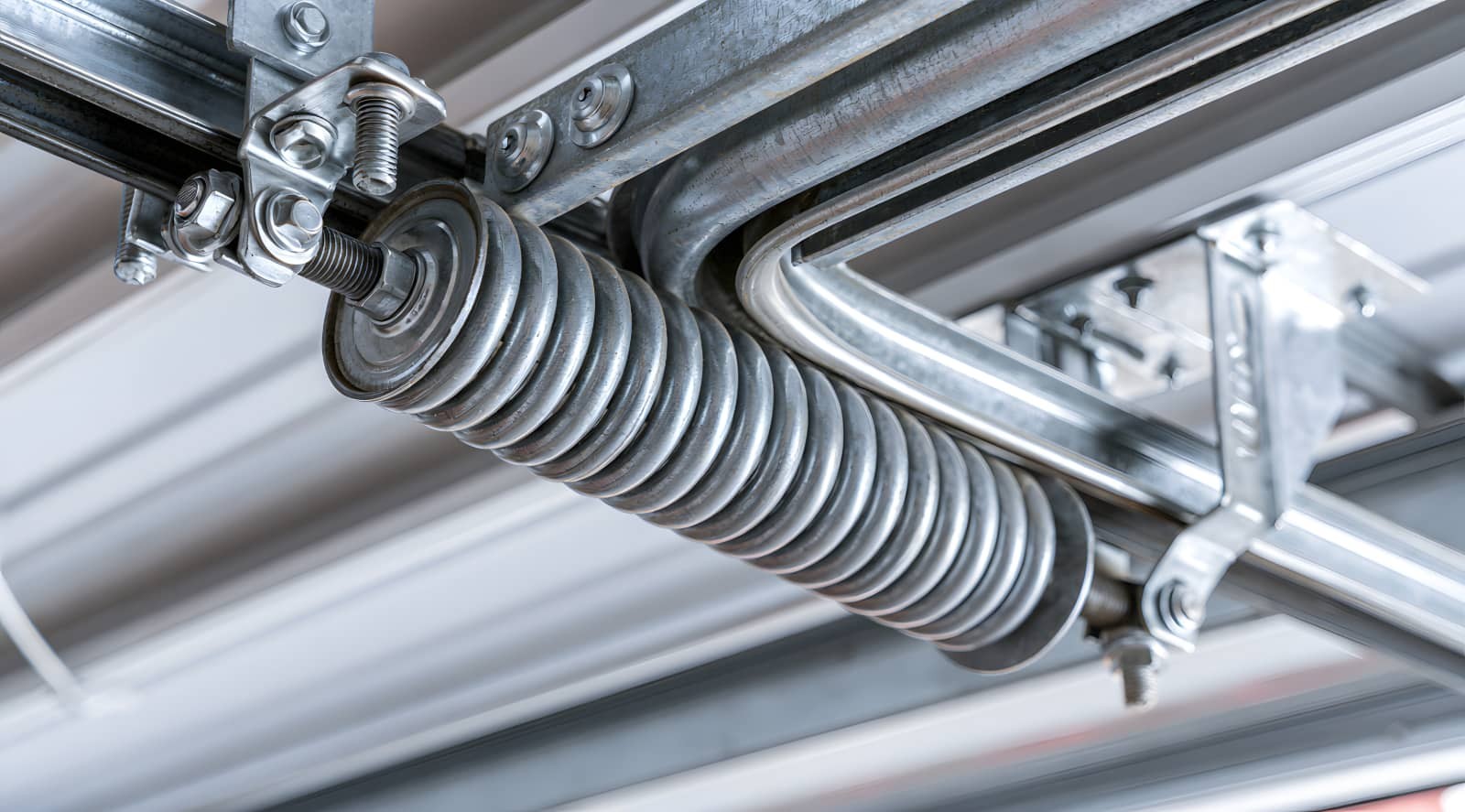
You can spot a worn garage door spring by checking for visible rust buildup on the coils.
If the door moves unevenly or feels unbalanced during operation, the spring may be losing tension.
Loud squeaking noises often signal metal fatigue and need immediate inspection.
Visible Rust Buildup
Rust on a garage door spring often signals surface corrosion that can weaken the metal over time and shorten its service life. You should inspect the coils for:
- Orange or brown scaling
- Pitted metal spots
- Flaking residue on coils
- Rust near the winding cone
- Moisture exposure around the spring
When you see these signs, you’re looking at a spring that’s losing protection and strength.
In humid or coastal areas, corrosion can build faster, so your spring may age sooner than expected. Wipe away loose debris, but don’t try to sand or coat a heavily rusted spring yourself.
Treat visible rust as a warning that your garage door system needs attention. If you stay proactive, you’ll protect your setup and keep your home running with the group.
Uneven Door Movement
Uneven door movement often shows up after corrosion starts affecting spring performance. You may notice one side lifting faster, the door drifting off level, or the opener working harder to keep pace.
That imbalance usually means the spring isn’t delivering equal force across the door, so the panels bind and track alignment suffers. You can check by disconnecting the opener and lifting the door halfway; if it shifts or feels heavier on one side, the spring’s tension is changing.
Don’t ignore this pattern. It puts extra load on cables, rollers, and the opener, and it can shorten the rest of your system’s life.
If your door keeps moving unevenly, you’re seeing an early warning, not a random glitch.
Loud Squeaking Noises
A loud squeak from the spring usually means metal parts are rubbing under strain or the lubricant has broken down. You’ll often hear it when the coil flexes, especially if the spring’s cycle life is fading. Don’t ignore the noise; it’s one of the clearest wear signals.
- Dry coils can scrape and whistle
- Rust increases friction and noise
- Old grease loses its protective film
- Higher door weight stresses the spring
- Repeated cycling speeds up fatigue
If you hear squeaking, inspect the spring, track, and rollers together. You belong to the group of homeowners who catch problems early, so lubricate the spring with a garage-door-safe spray and schedule service if the sound stays.
A quiet spring usually works smoother and lasts longer.
What Shortens Garage Door Spring Life
Frequent door cycles shorten garage door spring life because every opening and closing adds wear. If you use your garage door as the main entry, you’re putting the spring through more tension changes than a low-use door sees.
Heavy doors, poor balance, and misaligned tracks also raise load, so the spring works harder each cycle. Extreme temperatures can make metal fatigue faster, especially when cold contracts steel and heat speeds corrosion.
Rust, moisture, and road salt attack the coil surface and reduce strength. Springs with lower cycle ratings age sooner under the same use.
If you hear binding or see uneven movement, the spring’s stress is climbing. In a crew of homeowners, these factors are the usual reasons a spring snaps early.
How to Make Garage Door Springs Last Longer
You can make garage door springs last longer by reducing stress on them and keeping the system in good working order. Use these habits to protect your setup:
- Keep tracks aligned and rollers moving smoothly.
- Lubricate springs, hinges, and bearings with garage-door grease.
- Balance the door so the opener isn’t overworking.
- Inspect cables, brackets, and fasteners for wear.
- Limit unnecessary open-close cycles each day.
You’ll also extend service life by keeping the door clean and free of corrosion.
If your door feels heavy or moves unevenly, fix the cause quickly so the springs don’t take extra load.
When you stay proactive, your system runs smoother, your hardware lasts longer, and you stay in the group of homeowners who avoid preventable wear.
When to Replace Garage Door Springs
Replace garage door springs when you notice clear signs of wear, loss of tension, or uneven door movement. If the door feels heavier, opens in jerks, or won’t stay balanced halfway, the spring cycle count is likely nearing its limit.
You should also replace springs if you hear loud gaps, see stretching, rust, or separation in the coil. Don’t wait for a full snap; a failing spring can damage the opener and put your household at risk.
In most homes, springs last 7 to 20 years, but frequent use, harsh weather, and low-grade parts shorten that window. When you replace both springs together, you keep the system balanced and help your garage work like the reliable setup your family counts on.
Frequently Asked Questions
Can Garage Door Springs Fail Without Visible Warning?
Yes, your garage door springs can fail suddenly without visible warning. You may hear a loud snap, notice uneven lifting, or feel extra resistance. Regular inspections help you catch fatigue before a dangerous break occurs.
Are Torsion Springs Longer-Lasting Than Extension Springs?
Yes—torsion springs usually last longer than extension springs. In my shop, one set outlived another by 8 years; because they twist evenly, you get smoother operation, less strain, and fewer sudden failures.
Does Garage Door Weight Affect Spring Lifespan?
Yes—heavier doors make your springs work harder, so you’ll wear them out faster. You’ll want properly rated springs, balanced hardware, and regular adjustment, because excess weight increases cycle stress and can shorten service life.
Can Rusted Springs Still Work Safely?
No, not safely—rust is the ghost in the machine, and you shouldn’t trust it. You’ll see reduced tension, uneven lifting, and sudden failure risk. Inspect, lubricate, and replace corroded springs before you use them.
Should Both Springs Be Replaced at the Same Time?
Yes, you should replace both springs together, because you’ll keep balanced tension, reduce uneven wear, and avoid a second failure soon after. You’ll also save labor, improve safety, and maintain smooth, reliable operation.
Conclusion
Your garage door springs usually last 7 to 20 years, but cycle count, climate, and steel quality can cut that life short. If you open and close the door 10 times a day, you can reach about 3,650 cycles a year, so wear adds up fast. Watch for uneven movement, rust, and loud snapping sounds. Inspect springs regularly, maintain them properly, and replace them before a failure damages your door or injures you.
Recent Posts
Single vs Double Garage Door: Picking the Right Configuration for Your Home
Choosing between a single and double garage door affects more than looks. You need to
Garage Door Financing Options: Pay Over Time Without Surprises
Most of homeowners delay big repairs because of cost, and a new garage door can
Best Time of Year to Replace Garage Door in Michigan
In Michigan, the timing of a garage door replacement can affect everything from labor cost