
Contents
Your garage door springs are the backbone of its operation, much like the tension in a well-strung bow. When they start to show signs of wear, such as rust or strange noises, it’s vital to act quickly. Ignoring these signs can lead to more significant issues down the line. So, how do you recognize when a spring needs immediate replacement, and what steps should you take to ascertain a safe and effective fix?
Key Takeaways
- Identify signs of spring failure, such as unusual noises or uneven door movement, for immediate replacement needs.
- Gather essential tools like a torque wrench, pliers, and a sturdy ladder for a safe replacement.
- Disconnect the power to the garage door opener before starting the spring replacement process.
- Carefully unwind the tension from the old spring and install the new spring following the manufacturer’s instructions.
- Consider hiring licensed technicians for efficient and safe spring replacement if you’re unsure about DIY.
Understanding Garage Door Spring Types
When you’re dealing with garage door issues, understanding the different types of springs is essential for effective repairs.
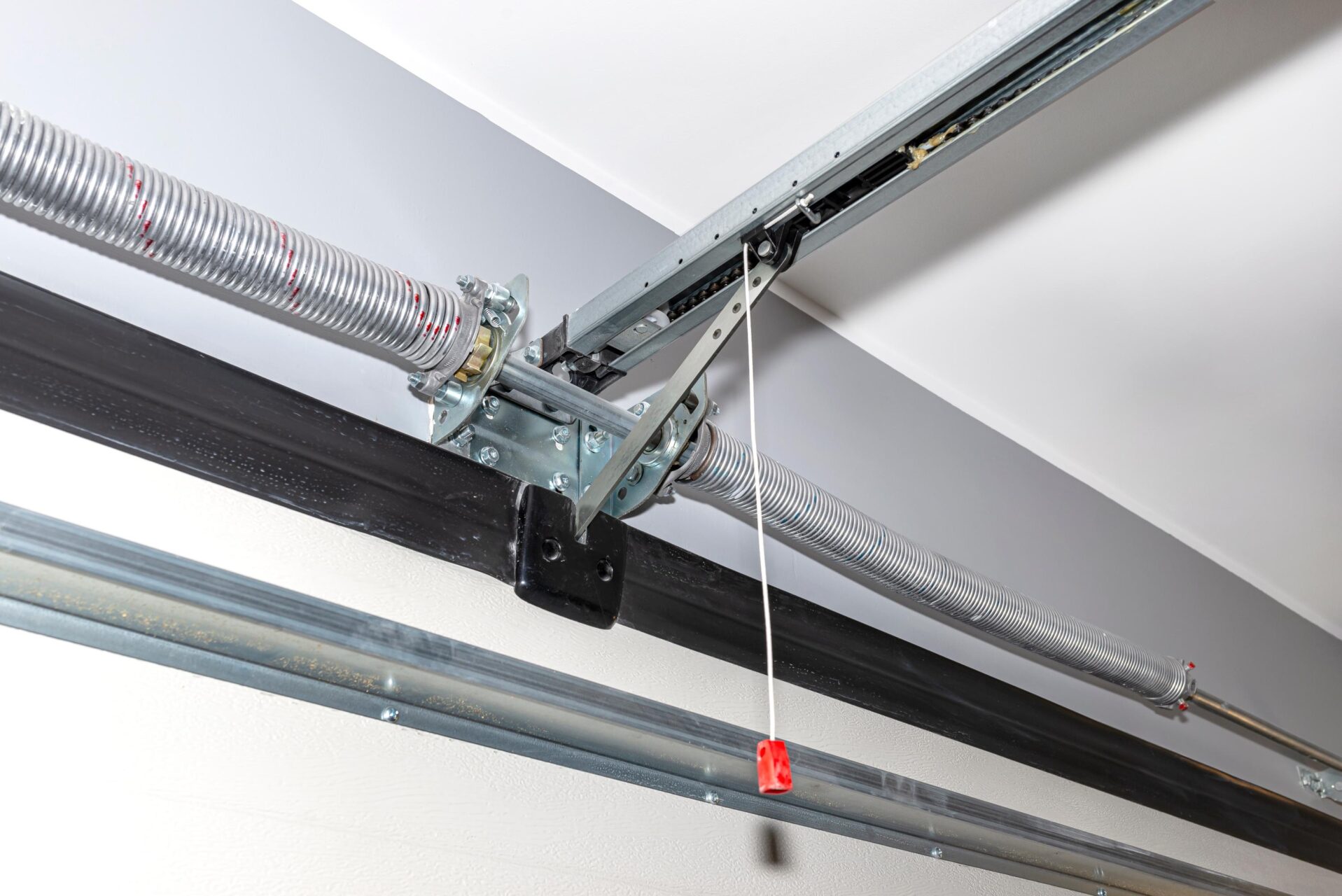
Two main categories exist: torsion springs and extension springs. Torsion springs are mounted above the door, utilizing torque to lift it. They’re typically more durable and provide a smoother operation, making them a popular choice for modern garage doors. If you hear a loud noise when opening or closing your door, it could indicate a torsion spring problem, which requires immediate attention.
On the other hand, extension springs are located on either side of the door and stretch to lift it. They’re simpler and often used in older systems. However, they can wear out faster and may pose a safety risk if they break.
Familiarizing yourself with these spring types can help you make informed decisions, ensuring your garage door operates safely and efficiently for years to come.
Signs You Need Immediate Spring Replacement
How can you tell if your garage door springs need immediate replacement? Look for signs of spring wear, such as visible gaps, rust, or fraying.
If your door is making unusual noises like squeaking or grinding, it could indicate underlying issues. A sudden door malfunction, like the door not opening or closing completely, is a clear warning sign that you shouldn’t ignore.
Additionally, if your garage door appears to be unbalanced or hangs unevenly, the springs might be losing their tension. Pay attention to how your door behaves; if it falls quickly or doesn’t stay open, that’s another indicator of failing springs.
Timely action can prevent further damage and ensure your safety. Remember, addressing these signs promptly keeps your garage door functional and protects your home and belongings.
Don’t hesitate—act when you notice these critical signs!
Step-by-Step Guide to Emergency Spring Replacement
Replacing garage door springs can be a challenging task, but with the right approach, you can tackle it safely and effectively. Follow these steps for a successful emergency spring replacement:
Gather Tools: You’ll need a torque wrench, safety glasses, pliers, and a sturdy ladder.
Disconnect Power: Always unplug the garage door opener to prevent accidental activation during the replacement.
Remove the Old Spring: Carefully unwind the tension from the spring, making sure to use the right technique to avoid injury.
Install the New Spring: Follow the manufacturer’s instructions for proper installation, ensuring everything is secured and your spring maintenance is up to date.
Choosing the Right Professional for the Job
Selecting the right professional for garage door spring replacement is essential, especially since improper installation can lead to safety hazards and costly repairs. To ensure you hire a qualified technician, use the following qualifications checklist:
| Qualification | Importance | Service Guarantees |
|---|---|---|
| Licensed & Insured | Protects you from liability | Coverage for work done |
| Experience | Ensures expertise in repairs | Warranty on parts & labor |
| Customer Reviews | Provides insight into reliability | Satisfaction guarantees |
When you evaluate potential candidates, check their credentials against this checklist. Look for professionals who offer service guarantees, as this indicates confidence in their work. You want someone who understands the technical aspects and values your safety and investment. Making an informed choice will help ensure a seamless garage door spring replacement process.
Preventative Measures to Extend Spring Lifespan
To ensure your garage door springs last as long as possible, implementing preventative measures is vital.
By focusing on spring maintenance and conducting regular inspections, you can greatly extend their lifespan.
Here are four key measures to take into account:
Lubricate Springs: Regularly apply a silicone-based lubricant to reduce friction and wear.
Inspect for Wear: Check for rust, cracks, or signs of fatigue during your regular inspections.
Adjust Tension: Confirm the springs are properly tensioned; this can prevent unnecessary strain.
Limit Heavy Loads: Avoid overloading your garage door, as excessive weight can lead to premature spring failure.
Recap
Addressing garage door spring issues promptly is essential for safety and functionality. For example, if you notice your door hesitating or making grinding noises, it’s time to act. By following the replacement steps and maintaining your new springs, you can prevent costly repairs down the line. Regular checks and lubrication can keep your garage door operating smoothly.
Recent Posts
Why Follow This Garage Door Installation Guide?
When installing a garage door, a small mistake like misaligning the tracks can lead to
3 Best Steps for Garage Door Installation
Did you know that many homeowners tackle garage door installation themselves? This statistic highlights the
How to Install Your Garage Door: Step-by-Step Guide
Installing your garage door might sound like a challenging task, but with the right approach,