
Contents
When you compare garage door warranties, the real question isn’t which one sounds longest, but which parts it actually protects. You’ll see lifetime, limited, and parts-only terms, yet labor, installation, and hardware exclusions can change the value fast. Transfer rules and maintenance requirements can matter just as much as coverage length. The details usually decide whether a warranty helps you—or leaves you paying anyway.
Key Takeaways
- Compare coverage scope, duration, exclusions, and claim rules, not just the warranty length.
- Prioritize protection for panels, springs, rollers, hinges, and labor, since parts-only plans can leave major costs uncovered.
- Check whether the warranty is transferable, especially if you may sell the home or move.
- Review maintenance requirements carefully, because missed service, unapproved parts, or unauthorized installers can void coverage.
- Focus on practical value: choose a warranty that matches your door’s usage, environment, and likely failure points.
Garage Door Warranty Comparison: What Matters Most
When you compare garage door warranties, the main differences come down to coverage scope, duration, and exclusions.
In a garage door warranty comparison, you should rank each policy by how long it stays valid, how strict its claim rules are, and whether it limits service to approved installers.
A stronger warranty usually signals better manufacturer confidence, but you still need to verify transferability if you’re planning to move or sell.
You’ll also want to compare labor terms against material terms, since they rarely match.
If you want to feel protected in your home community, choose the warranty that fits your risk profile, not just the longest label.
The best option balances precision, predictability, and real support.
What Garage Door Warranties Usually Cover
When you compare garage door warranties, you’ll usually see parts and hardware coverage as the core protection, with springs, rollers, hinges, and panels often covered to different degrees.
Labor and service limits matter just as much, because some warranties cover installation or repair work only for a short period, or not at all.
You should check both categories side by side to see what’s protected and what costs you’ll still pay.
Parts and Hardware Coverage
Hardware is where garage door warranties often draw the clearest line. You’ll usually see coverage for springs, hinges, rollers, cables, tracks, and panels, but the scope depends on whether the warranty is lifetime, limited, or parts-only.
Lifetime coverage usually applies to specific components against manufacturer defects, while limited coverage narrows protection by time, model, or usage. Parts-only plans protect replacement components, but they don’t always match the full system.
You should check whether rust, finish wear, or normal fatigue are excluded, because those limits matter more than the headline term. If you want the strongest fit, compare exactly which parts are named, which failures count, and which exclusions could leave your setup uncovered.
That’s how you stay in the right crowd.
Labor and Service Limits
Labor and service coverage usually matters just as much as the parts list, because a warranty can protect the component but still leave you paying for the technician’s time. You should check whether labor is covered for the full term, only during the first year, or not at all.
Limited warranties often pay for replacement parts but exclude diagnosis, travel, and installation. Stronger plans may include service calls, yet they still cap reimbursement or require authorized installers.
If you want fewer surprise bills, compare who pays for removal, rebalancing, and final adjustment. You’re not just buying a door; you’re joining a system that works best when coverage matches real repair costs and your local service rates.
Lifetime vs. Limited vs. Parts-Only Coverage
You’ll see that lifetime coverage usually applies to specific components, but it still carries exclusions, service conditions, and transfer limits.
A limited warranty narrows protection by duration, defects, or usage terms, while parts-only coverage protects replacement components but not labor or related service.
Compare each clause carefully, because the scope of protection can differ more than the warranty label suggests.
Lifetime Coverage Limits
A lifetime garage door warranty sounds extensive, but it usually covers only specific components for the original owner and may still exclude labor, finish, or wear items.
You should read it as component protection, not full-system protection. Compared with a limited warranty, lifetime coverage can last longer on key parts like springs, panels, or hardware, but the scope stays narrow.
Parts-only coverage is even tighter: you get replacement parts, yet you pay installation and service.
If you want predictable ownership costs, check whether the warranty applies to the entire door system or just selected parts. That distinction matters in any garage door community that values long-term reliability, because the strongest warranty is the one that matches your actual risk.
Limited Warranty Terms
Limited warranties usually cover specific parts for a defined period, so they sit between lifetime protection and parts-only coverage in both scope and cost.
You’ll often see terms tied to panels, springs, hardware, or finish, with separate clocks for each component. That matters because you can’t assume every failure gets the same treatment.
Compared with lifetime coverage, limited terms shrink your protection window but still give you more leverage than a bare parts-only plan.
Read the start date, exclusions, and transfer rules closely, since those details shape your real value.
If you’re comparing offers with your neighbors, use the same checklist: what’s covered, for how long, and under what conditions. That keeps your decision grounded and your garage door protected.
Parts-Only Protection Scope
Parts-only protection narrows the warranty to a defined list of components, and it usually leaves labor, finish, and broader system failures outside coverage. If you’re comparing plans, you’ll notice how this differs from lifetime and limited terms. You’re part of the group that benefits when you check exactly what’s named.
Springs, rollers, or hinges may qualify.
Electronics, paint, and installation often don’t.
You still pay service calls and removal costs.
That scope matters because a “protected part” can still fail in a system that’s otherwise excluded. Lifetime coverage usually feels broader, while limited coverage may cap time or conditions.
Parts-only coverage keeps the insurer’s risk low and your out-of-pocket exposure higher. Read the exclusions closely, then choose the fit that matches your expectations.
Garage Door Warranty Comparison by Brand
When you compare garage door warranties by brand, you’ll see major differences in whether coverage is lifetime, limited, or parts-only, and those details determine what’s protected and for how long.
You’ll usually find premium brands offering longer sections coverage on panels, hardware, and finish, while value brands often narrow support to specific components.
That means your real comparison isn’t just the headline term; it’s the exact part list, labor terms, and replacement rules.
If you want a better fit for your home, look for brands that pair structural coverage with clear transfer options and straightforward claim steps.
That kind of consistency helps you join owners who value dependable protection, predictable maintenance, and fewer surprises over time.
What Voids a Garage Door Warranty?
Even a strong garage door warranty can be voided if you skip required maintenance, use unapproved parts, or let an unauthorized installer make repairs. You’re safer when you treat the warranty like a spec sheet, not a promise.
Common void triggers include:
- Missing service records or skipped tune-ups
- Impact damage, corrosion, or weather abuse
- Modifications, overloading, or code violations
Compared with broad coverage, strict warranties enforce these limits faster and with less flexibility. If you replace springs, panels, or openers with nonmatching components, you can lose protection quickly.
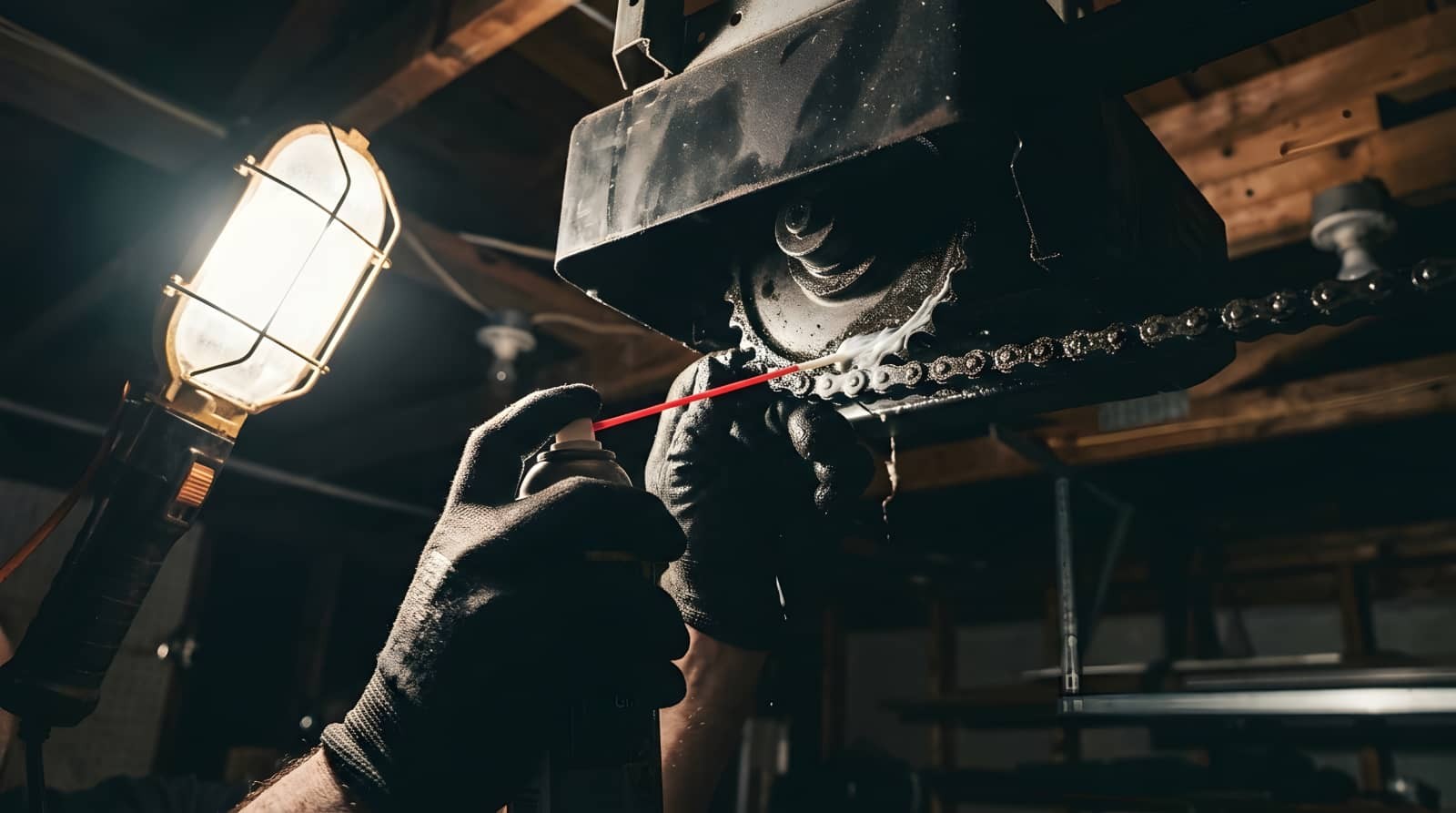
The same risk applies when you ignore alignment checks, lubrication schedules, or manufacturer limits. Stay in the group that keeps coverage intact: follow the manual, document every service, and use approved technicians.
Labor, Parts, and Installation Coverage
Labor coverage usually pays the technician’s time, while parts coverage handles the components themselves, and installation coverage protects the original setup work.
You should compare each layer separately, because one claim can include labor but exclude hardware, or cover a spring yet not the return visit.
Parts-only plans often look cheaper, but you’ll still pay for diagnostics and installation if the repair team replaces anything.
Full coverage feels stronger because it reduces your out-of-pocket cost and keeps your system aligned with the original spec.
When you belong to a service network, ask whether the warranty transfers with the door and whether repairs use approved installers.
That detail matters more than marketing labels. Clear definitions help you choose coverage that matches how your door actually fails.
How Long Garage Door Warranties Last
Warranty length can range from 1 year to a lifetime, and the label doesn’t always tell you how much protection you actually get. You need to compare the term with the covered parts, because a long warranty can still exclude key failures.
1–3 years: common for hardware, finish, and basic parts.
5–10 years: often covers major components with stricter conditions.
Lifetime: usually applies only to specific panels or structural defects, not every repair.
You’ll fit in better with informed buyers when you check whether coverage starts at install, purchase, or registration.
Read the fine print for transfer limits, maintenance requirements, and prorated reductions. Short terms aren’t always weak; they can signal clearer claims and fewer exceptions.
Which Garage Door Warranty Offers the Best Value?
The best-value garage door warranty depends less on the longest term and more on what it actually covers.
You’ll usually get the strongest value from a warranty that protects panels, hardware, springs, and labor, not just parts. A lifetime warranty can look premium, but if it excludes wear items or installation defects, you’re carrying more risk.
Parts-only coverage is cheaper up front, yet it shifts labor costs to you. Limited warranties often hit the sweet spot when they cover major failure points for a realistic period.
Compare exclusions, transferability, and service call terms before you choose. If you want real peace of mind, pick the plan that matches your door’s use, climate, and repair exposure.
Frequently Asked Questions
Can Warranty Coverage Transfer to a New Homeowner?
Yes, you can sometimes transfer warranty coverage to a new homeowner, but it depends on the plan. Limited warranties often allow it; lifetime and parts-only coverage usually require registration, fees, or strict deadlines.
Do Warranties Cover Dents From Hail or Accidents?
No—most warranties don’t cover hail dents or accidental damage; you’ll usually need insurance. You get protection only for defects, not impacts. Compare terms carefully so your home still feels protected and included.
Are Remote Controls Included Under Garage Door Warranties?
Usually, you won’t get remote controls covered; you’ll need to check your warranty. Some plans include them briefly, while others exclude them. You should compare parts-only, limited, and lifetime terms before buying.
Does Using Third-Party Parts Void the Warranty?
Using third-party parts can void your warranty if they’re incompatible or unapproved. You should check terms first, since manufacturers often cover only specified components. Staying with approved parts keeps you covered and your system reliable.
Are Shipping Costs Covered for Replacement Parts?
Usually, you’re not covered for shipping costs; warranties typically cover the part, not the postage. You’ll often pay return freight too, unless your plan specifically states shipping is included for replacements.
Wrap-Up
When you compare garage door warranties, you should weigh what really works: coverage, duration, and exclusions. A lifetime warranty may sound strong, but limited terms can still protect critical parts better if labor and installation are included. You’ll get the best value when the policy matches your needs, maintenance stays current, and transferability fits your plans. In the end, smart, specific selection safeguards your system and saves you stress, spending, and surprises.
Recent Posts
Reliable Garage Door Service in Grand Rapids: What Local Homeowners Should Expect
What should you expect when your garage door starts acting up? Reliable Garage Door Service
Garage Door Roller Replacement: Quieter Operation in Under an Hour
If your garage door rattles, binds, or wakes the house each time it moves, you
When and How to Handle Garage Door Weather Seal Replacement
You should inspect your garage door weather seal for cracks, flattening, gaps, or daylight along