
Contents
Think of your garage door as the guardian of your home, silently standing watch. Its safety features are essential for preventing accidents and ensuring smooth operation. From automatic reversal systems to safety sensors, each component plays an important role in protecting you and your property. But what happens when these systems fail? Understanding their functionality and significance can make all the difference in your garage door’s performance and safety.
Key Takeaways
- Automatic reversal systems prevent accidents by reversing the door’s direction when obstacles are detected by sensors.
- Safety sensors emit an invisible beam that triggers automatic reversal upon interruption, ensuring protection for people and pets.
- Manual override features allow for emergency access during power outages or mechanical failures, ensuring continued functionality.
- Secure locking mechanisms, such as deadbolts and electronic locks, provide robust protection against unauthorized access to the property.
- Regular maintenance and inspections are crucial for ensuring the effectiveness of safety features and preventing malfunctions.
Automatic Reversal System
When you’re operating your garage door, the automatic reversal system acts as a vital safety feature designed to prevent accidents. This system relies on sensors located near the base of the door. When these sensors detect an obstruction, they trigger the door to reverse its direction, guaranteeing safety for both people and pets.
To maintain peak performance, you need to verify proper sensor alignment; misaligned sensors may fail to detect obstacles effectively. Periodic safety testing is significant as well, allowing you to confirm that the automatic reversal system functions correctly.
Regularly check the sensors’ alignment and test the door’s response by placing an object in its path, observing how it reacts. By prioritizing these maintenance tasks, you’ll enhance the safety of your garage door and create a secure environment for your family.
Embracing these practices fosters a sense of community, knowing you’re protecting those you care about.
Safety Sensors
Safety sensors are vital components of modern garage door systems, as they help prevent accidents by detecting objects or individuals in the door’s path. These sensors work by emitting an invisible beam across the opening; if something interrupts this beam, the door automatically reverses.
To guarantee ideal performance, proper sensor alignment is essential. Misaligned sensors can lead to false readings or failures to engage, which compromises safety compliance. Regularly check their positioning and make adjustments as needed. Additionally, keep the sensor lenses clean and free from obstructions, like dirt or cobwebs, to maintain their effectiveness.
Installing safety sensors not only protects your family and pets but also enhances the overall functionality of your garage door system. By prioritizing safety sensors in your installation, you’re fostering a secure environment for everyone who uses the space, creating a sense of belonging and peace of mind in your home.
Manual Override Feature
The manual override feature is essential for emergency access to your garage when power outages occur.
This functionality allows you to disengage the automatic system, so you can open the door manually.
Knowing how to use this feature can save you time and frustration during unexpected situations.
Emergency Access Capability
Having an emergency access capability, or manual override feature, in your garage door system guarantees you can still operate it during power outages or mechanical failures.
This feature is essential for implementing effective emergency protocols, allowing you to maintain access control when unexpected situations arise.
You’ll find that a manual override typically involves a simple release mechanism, making it easy for you to disengage the automatic system and open the door manually.
This can be particularly important in emergencies where quick access is necessary for safety or evacuation.
Power Outage Solutions
When a power outage occurs, being able to manually operate your garage door becomes essential for maintaining access and security. A manual override feature allows you to disengage the motor and lift the door manually, guaranteeing you can still enter or exit your garage.
To enhance this capability, consider installing a battery backup system. This enables your garage door opener to function even during outages, keeping your access seamless.
Additionally, explore generator options that can power your garage door opener during extended outages. These solutions not only provide peace of mind but also guarantee your garage remains functional, helping you feel secure and connected, even when the power goes out.
Secure Locking Mechanisms
While many homeowners focus on aesthetics and functionality when choosing a garage door, secure locking mechanisms are fundamental for protecting your property. You should consider various lock types, including deadbolts and electronic locks, to enhance security.
Deadbolts provide a robust barrier, while electronic locks offer convenience and can be integrated with smart home systems.
Proper installation techniques are essential; verify locks are mounted securely and aligned correctly to prevent tampering. Regular maintenance, such as checking for rust or wear, is crucial to keep your locking system effective.
Additionally, some systems come with backup options, like keypad entry, which can add an extra layer of security.
Emergency Release Cord
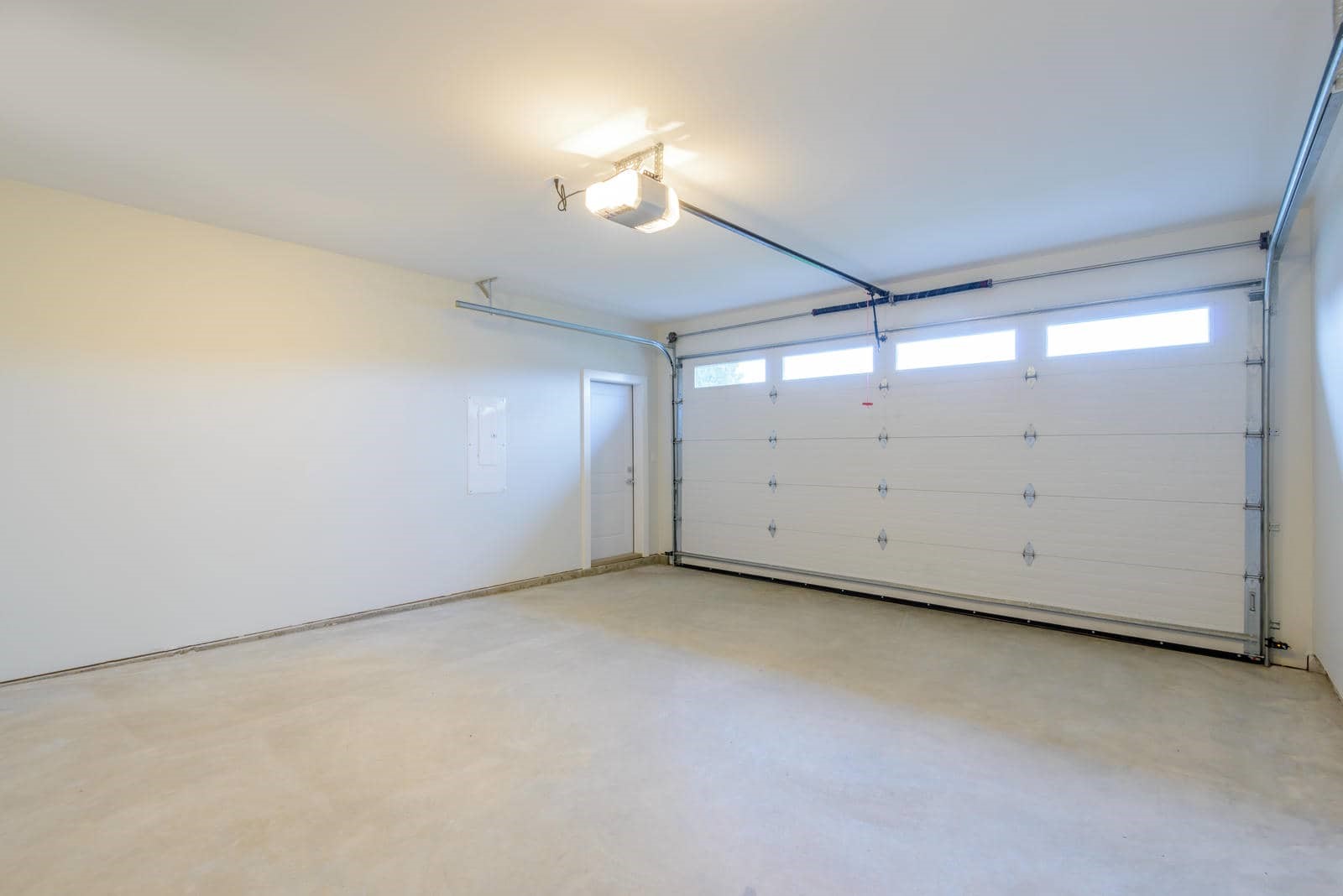
An emergency release cord is an essential safety feature for any garage door system, allowing you to manually operate the door in case of a power failure or malfunction. This cord typically hangs down from the garage door opener and is designed for easy access. When you pull the cord, it disengages the door from the automatic opener, enabling you to lift or lower it manually.
Incorporating an emergency release cord into your garage door setup enhances safety awareness, guaranteeing that you’re prepared for unexpected situations. Familiarize yourself with the cord’s location and operation as part of your emergency procedures.
Regularly check the cord for wear and tear to guarantee it functions properly when you need it most. By understanding how to utilize this feature, you contribute to a safer environment for yourself and your family, fostering a sense of community and shared responsibility in maintaining safety standards.
Impact Resistance
Impact resistance is an essential safety feature in garage doors, designed to withstand external forces and prevent damage during collisions. When selecting a garage door, consider the results of impact testing, which evaluates how well the door can absorb energy from unexpected impacts. High-quality doors often undergo rigorous impact testing to guarantee they meet safety standards.
Material strength plays a critical role in a door’s ability to resist damage. Stronger materials can better withstand the forces generated by vehicles or other objects that may collide with the door.
Investing in a door with superior impact resistance not only enhances safety but also prolongs the lifespan of your garage door, saving you money in repairs or replacements down the line. By prioritizing impact resistance, you’re making a smart choice for your home’s security and your family’s safety.
Durable Materials
Choosing durable materials for your garage door is essential for ensuring long-term performance and safety. You want to select materials that provide high material strength to withstand daily wear and tear. Steel and fiberglass are strong contenders, offering robustness and resistance to impact.
Corrosion resistance is another critical factor. Opting for galvanized steel or aluminum can help prevent rust and deterioration, especially in areas prone to moisture. These materials not only enhance durability but also reduce maintenance needs, allowing you to focus on what matters most.
Additionally, consider insulation properties. Insulated doors made from durable materials can improve energy efficiency and temperature control.
Regular Maintenance and Inspections
Regular maintenance and inspections are essential for ensuring your garage door operates safely and effectively.
You’ll want to look out for signs of wear, such as unusual noises or sluggish movement, which can indicate underlying issues.
Importance of Routine Checks
While you mightn’t think about your garage door often, routine checks are essential for guaranteeing its safe and effective operation.
Regular maintenance and safety inspections can prevent minor issues from escalating into major problems. Here are three key areas to focus on:
Hardware Inspection: Check all bolts, screws, and hinges for tightness and wear.
Safety Sensors: Test the sensors to confirm they detect objects in the door’s path, preventing accidents.
Lubrication: Apply lubricant to moving parts, reducing friction and wear.
Signs of Wear Issues
Routine checks can help you spot signs of wear issues before they lead to serious problems.
When inspecting your garage door, pay close attention to wear indicators like frayed cables, rust on metal components, or cracks in the panels.
Listen for unusual noises during operation, as they might signal mechanical issues.
Check the alignment of the door; it should open and close smoothly without resistance.
Inspect the weather seals for gaps or deterioration, as these can affect energy efficiency.
Additionally, verify that the safety sensors function correctly.
Frequently Asked Questions
How Can I Tell if My Garage Door Is Safe?
To guarantee your garage door’s safety, check the garage door sensors regularly and conduct a thorough safety inspection. Look for proper alignment and responsiveness; a well-functioning system is your shield against unexpected accidents.
What Are the Benefits of Professional Installation?
Professional installation offers significant advantages, including expert knowledge and precision. You’ll benefit from ideal functionality, enhanced safety, and compliance with local regulations, ensuring your garage door operates reliably while integrating seamlessly into your home’s design.
How Often Should I Test Safety Features?
You should test safety features monthly; 30% of garage door injuries occur due to malfunctioning systems. Regular testing procedures guarantee reliability, enhancing your peace of mind and promoting a safer environment for your family and visitors.
Can I Install Safety Features on an Older Door?
Yes, you can install safety upgrades on an older door, but check for door compatibility first. Consult a professional to guarantee the upgrades fit properly and enhance your garage door’s overall safety and functionality.
What Should I Do if My Garage Door Malfunctions?
If your garage door malfunctions, watch for malfunction signs like unusual noises or slow movement. Immediately implement emergency measures, such as disconnecting the opener and securing the door, to guarantee safety until a professional arrives.
Recent Posts
Steel vs Wood Garage Doors: A Head-to-Head Comparison
If you think garage door material is just a style choice, it isn’t. You’re also
Single vs Double Garage Door: Picking the Right Configuration for Your Home
Choosing between a single and double garage door affects more than looks. You need to
Garage Door Financing Options: Pay Over Time Without Surprises
Most of homeowners delay big repairs because of cost, and a new garage door can