
Contents
When you plan a new garage door installation, you need to compare costs, materials, and quote details before anyone arrives on site. You’ll want itemized bids, clear warranty terms, and a realistic view of what installation day involves. The process seems straightforward, but small differences in measurements, hardware, and labor can change the outcome. Here’s what to check first, and what can go wrong if you miss it.
Key Takeaways
- Get itemized quotes covering door, labor, hardware, opener integration, permits, and disposal to avoid surprise costs.
- Compare materials and styles by durability, maintenance, insulation, and appearance before choosing a door.
- Confirm each quote matches the same scope, including size, model, insulation rating, warranty, and installation details.
- Prepare for install day by clearing the garage path and expecting removal, track setup, door hanging, and opener testing.
- Inspect the finished door for smooth operation, proper alignment, sensor function, and complete warranty paperwork before the crew leaves.
How Much Does Garage Door Installation Cost?
Garage door installation costs vary based on door size, material, insulation, style, and labor, so you’ll want to compare full project quotes rather than just the door price.
For new garage door installation, expect most homeowners to see totals shaped by removal, hardware, track setup, opener integration, and disposal fees.
You can usually keep pricing transparent by asking for itemized bids that separate parts, labor, and permit charges. That helps you spot gaps before work starts.
If you’re joining the many owners who value a clean, reliable upgrade, focus on installers who explain what’s included and what could change the final bill.
A precise quote gives you control, reduces surprises, and helps you plan your project with confidence from day one.
Compare Garage Door Materials and Styles
Once you’ve compared quotes, the next decision is the door itself, because material and style choices shape cost, durability, maintenance, insulation, and curb appeal.
You should match the door to your climate, usage, and neighborhood norms so your home feels cohesive and practical.
- Steel: strong, low-maintenance, and often insulated well.
- Wood: warm, customizable, but needs regular sealing.
- Aluminum: light, corrosion-resistant, and good for wide openings.
- Composite or fiberglass: stable, durable, and easier to maintain than wood.
For style, choose raised-panel, carriage-house, or flush designs based on your home’s architecture.
Prioritize insulation if you park indoors or use the garage as a workspace.
When you pick a door that fits your block and your routine, you’ll feel confident in the neighborhood you’re building.
What to Look for in a Garage Door Quote?
When you compare garage door quotes, check that each one spells out the same scope of work so you can make an apples-to-apples comparison. You should see the door model, size, insulation rating, hardware grade, opener compatibility, removal of the old door, and any trim or seal replacements.
Ask for labor, materials, taxes, permit fees, and disposal costs listed separately; that keeps hidden charges from sneaking in. Verify warranty terms for both parts and workmanship, plus how long the quote stays valid.
If a line item feels vague, request a written revision before you commit. Clear quotes help you feel confident, stay aligned with the right installer, and join the homeowners who plan smartly and avoid surprise costs later.
What Happens on Garage Door Installation Day?
On installation day, you can expect the crew to start by confirming the door size, model, and hardware, then reviewing the work area for safety and access.
You’ll usually see them protect floors, disconnect the old door, and stage each component so the job stays organized and efficient.
- Remove existing panels and tracks
- Set new tracks, springs, and brackets
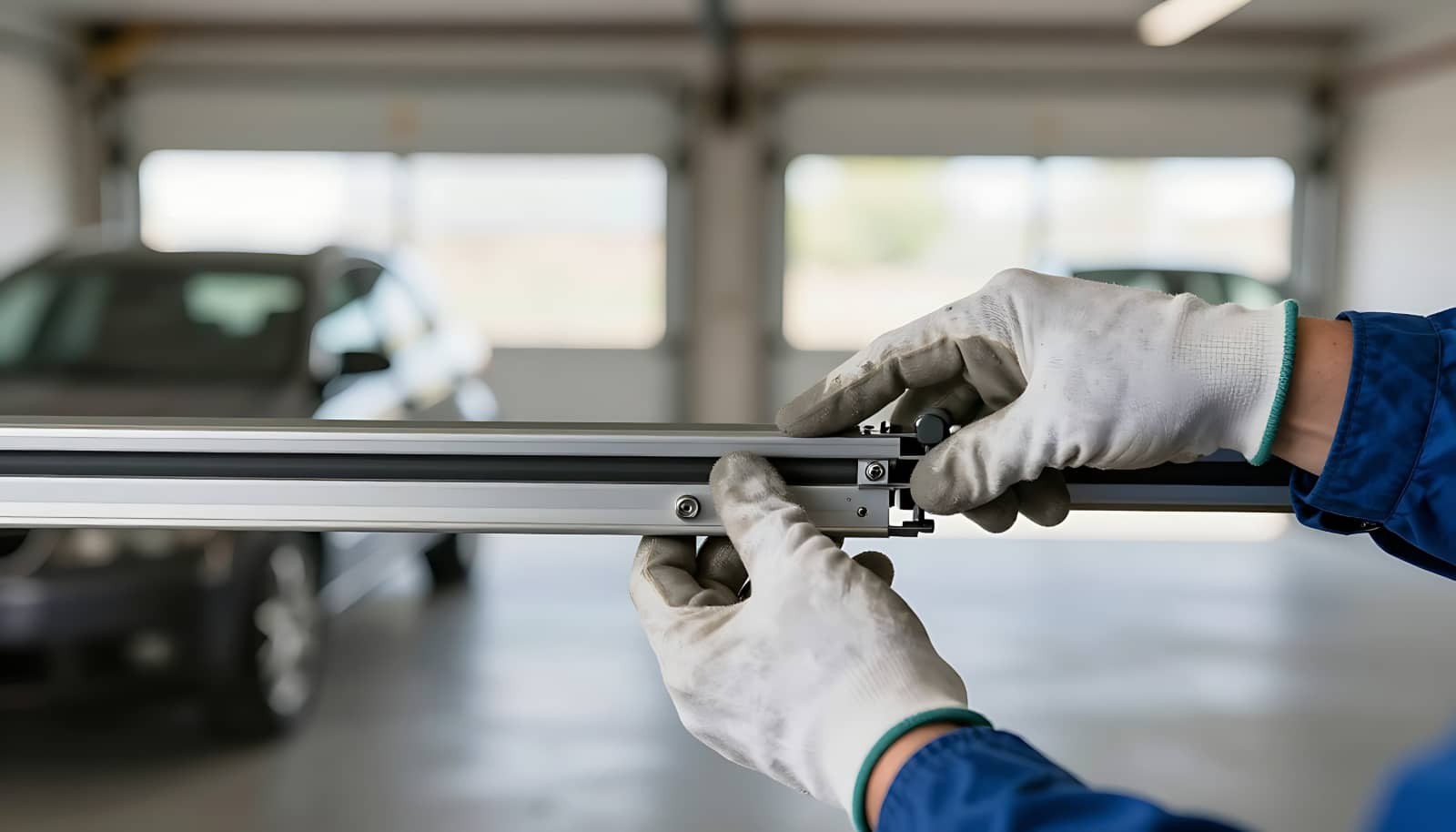
- Hang the door and align rollers
- Connect opener parts and test travel
The team works methodically, checking fasteners, cable tension, and balance as they go.
You can stay nearby, ask practical questions, and keep pathways clear. If your garage is part of your daily routine, this process helps you feel informed, included, and confident while the installer handles the technical steps.
Check the Fit, Finish, and Warranty
Before the crew leaves, inspect the door’s fit, finish, and warranty details so you can catch issues while they’re still easy to fix. Open and close the door several times; it should move smoothly, seal evenly, and sit level in the opening.
Check that tracks are plumb, panels align, and weatherstripping contacts the floor without gaps. Look closely at paint, trim, hardware, and glass for scratches, dents, or misalignment.
Test remotes, wall controls, locks, and safety sensors before you sign off. Then review the warranty terms with your installer: note coverage for panels, springs, operators, labor, and finish, plus any maintenance requirements.
Keep copies of the contract and warranty packet so you’ve got a clear record and a dependable team behind you.
Frequently Asked Questions
How Long Does a Garage Door Installation Usually Take?
Usually, you’ll spend 3 to 6 hours on a standard garage door installation. You’ll need longer for custom sizing, opener wiring, or structural repairs, but a trained crew typically finishes the job in one day.
Do I Need a Permit for a New Garage Door?
Usually, you do need a permit for a new garage door if you’re changing the opening, structure, or electrical components. Check your local code first, and ask your installer—they’ll often handle the permit for you.
Can I Keep My Existing Garage Door Opener?
Yes, you can keep your existing opener if it’s compatible with the new door’s weight, track, and hardware. You’ll want your installer to check horsepower, rail length, safety sensors, and drive type before you commit.
What Maintenance Does a New Garage Door Need?
You’ll need monthly visual inspections, track cleaning, hinge and roller lubrication, spring balance checks, and opener safety tests. Tighten hardware, replace weatherstripping when worn, and schedule annual professional service so you’ll keep smooth, quiet, reliable operation.
How Do I Know the Door Size I Need?
Measure your existing opening: width, height, and side clearance. You’ll need the exact rough opening, too. Standard doors are 8, 9, 16, or 18 feet wide; if yours differs, you’ll order a custom size.
Recap
You’ve compared the numbers, the materials, and the fine print—but the real test comes on install day. As the old door comes down and the new one goes up, every measurement, bracket, and seal has to line up exactly. Then the final moment arrives: you check the fit, test the operation, and verify the warranty. If anything feels off, don’t wait. Your garage door’s performance depends on what you confirm now.
Recent Posts
7 Signs You Need a New Garage Door (Beyond the Obvious Damage)
When does a garage door stop being a door and start becoming a liability? You
Garage Door Spring Safety Risks Every Homeowner Should Take Seriously
A garage door spring is a coiled trapdoor of stored force, and you don’t want
Broken Garage Door Spring in Grand Rapids? Here’s the Fast-Response Playbook
If your garage door spring breaks in Grand Rapids, stop using the door right away