
Contents
Steel coils upward like a shutter in motion, clearing the opening in a tight vertical sweep. You use rolling steel doors when you need a durable barrier that won’t eat floor space, but the right door depends on more than size alone. Gauge, fire rating, cycle count, and operating hardware all affect performance, security, and upkeep. If you’re comparing options, the details quickly separate a reliable fit from an expensive mistake.
Key Takeaways
- Rolling steel doors are durable, space-saving closures that roll into a compact coil above industrial openings.
- Their interlocking steel slats provide strong security, impact resistance, and reliable daily performance.
- They suit warehouses, service entrances, retail grilles, and fire-rated compartment openings.
- Options include insulated, wind-rated, and custom-configured doors for specific site and code requirements.
- Regular inspection, lubrication, and component replacement help maintain safe, long-lasting operation.
What Is a Rolling Steel Door?
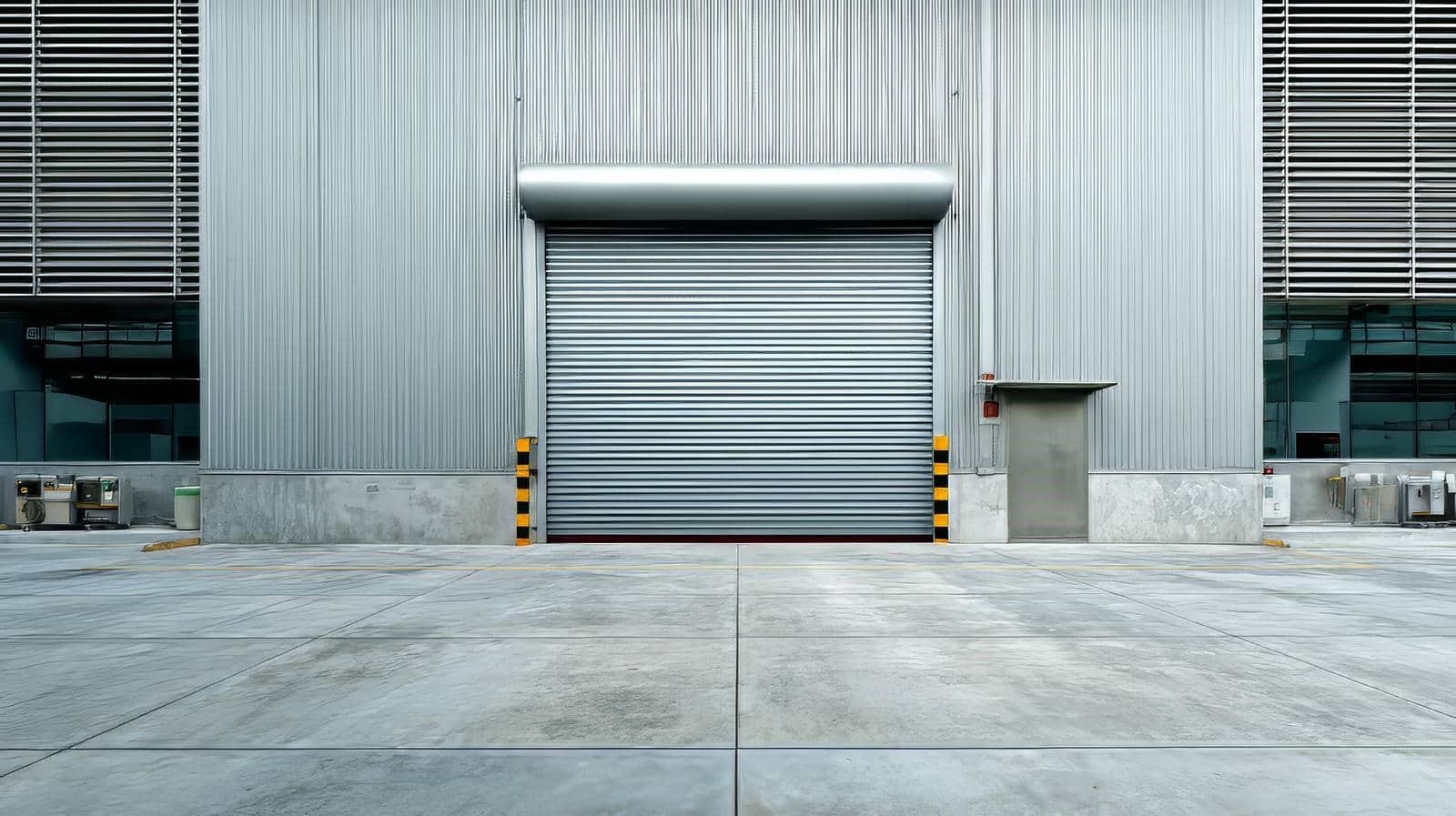
A rolling steel door is a heavy-duty door made of interlocking steel slats that roll up into a compact coil above the opening when you operate it.
You use rolling steel doors when you need a durable closure that saves headroom and floor space. The curtain moves in guided tracks, and a spring or motor helps control lift and descent.
You get a tight, secure barrier that resists wear from frequent cycling and everyday impact. Because the door stores overhead, you keep your opening clear for people, equipment, and traffic.
You’re part of a practical group that values reliable performance, simple operation, and strong protection. In industrial settings, this design supports consistent access control without adding unnecessary complexity or bulk.
Rolling Steel Door Types and Uses
Several rolling steel door types serve different performance needs, so you can match the door to the opening instead of forcing one design everywhere.
You’ll typically choose among service doors, fire-rated doors, grille doors, and insulated doors. Service doors fit warehouses and shops that cycle often through the day. Fire-rated models help you meet code in openings that need compartment protection. Grille doors let you secure retail fronts while keeping visibility and airflow. Insulated doors suit climate-controlled docks where you need stable temperatures and quieter operation.
You should specify curtain gauge, slat profile, guide construction, and operator type to align with traffic, exposure, and maintenance goals. When you select the right type, you get a reliable fit for your team’s daily workflow.
Why Rolling Steel Doors Save Space and Boost Security
Because the curtain rolls up into a compact coil above the opening, rolling steel doors free up wall and ceiling space that sectional or swing doors can’t use. You can keep racks, conduit, lights, and equipment closer to the perimeter, which improves workflow in tight bays and loading zones.
The compact footprint also helps you maintain clear travel paths for forklifts and carts. For security, the interlocking slats create a rigid barrier that resists prying and unauthorized entry. You control access with locking hardware, so your team can secure the opening quickly after shifts.
In facilities where uptime matters, that combination of efficient layout and dependable protection lets you run a cleaner, safer operation and stay aligned with other teams that value disciplined, space-smart access control.
What to Look for in Materials and Ratings
When you compare rolling steel doors, start with the steel gauge, slat profile, and finish, since these determine how well the door resists dents, corrosion, and daily wear.
You’ll also want ratings that match your opening’s demands: wind load, fire, and security classifications tell you what the door can handle under real conditions. Heavier gauges usually deliver better impact resistance, while interlocking slats improve rigidity and reduce flex.
Galvanized or factory-coated finishes help protect steel in humid or washdown environments. Ask for published test data, not vague claims, so you can compare options with confidence.
When you know the numbers, you’re choosing alongside other facility pros who value durability, fit, and performance.
How to Choose and Maintain the Right Door
To choose the right rolling steel door, match the door’s duty cycle, opening size, traffic level, and security needs to the exact job it has to do. You’ll fit in better with crews who spec doors by load, not guesswork.
Verify wind, fire, and insulation ratings before you buy.
Check cycle counts, spring life, and guide strength for your traffic.
Select slats, curtains, and locks that resist impact and theft.
Schedule lubrication, inspection, and balance tests on a set interval.
Keep tracks clean, fasteners tight, and sensing edges aligned so the door runs smoothly.
Replace worn springs, bearings, and weather seals early. If you document service, you’ll extend uptime and protect your team.
Frequently Asked Questions
How Long Does a Rolling Steel Door Typically Last?
Typically, you’ll get 15–25 years from a rolling steel door, and sometimes longer with proper maintenance. You’ll extend service life by lubricating, inspecting, and replacing worn parts before heavy use causes damage.
What Permits Are Needed to Install a Rolling Steel Door?
You’ll need a building permit, often a mechanical permit too, and sometimes fire or zoning approvals; your local code office loves paperwork almost as much as you love access, so verify requirements before installation.
Can Rolling Steel Doors Be Automated Later?
Yes, you can automate it later. You’ll need a compatible motor, controls, and safety devices, plus a qualified installer to verify balance, power, and code compliance. Planning ahead makes your upgrade smoother and less disruptive.
How Noisy Are Rolling Steel Doors During Operation?
They’re usually moderately noisy, though the theory that all steel doors clatter badly isn’t true you’ll hear more with poor lubrication, worn guides, or fast motors. You can cut sound with maintenance, soft-start drives, and insulation.
What Emergency Release Options Are Available?
You can choose a manual chain hoist release, an internal lift handle, or a keyed exterior override. You’ll also find spring-assist disengagement and motor decoupling options, so you can open the door during power loss.
Summary
When you choose rolling steel doors, you’re choosing a proven shield that works like a modern gatekeeper quiet, strong, and dependable. They save your floor space, protect your facility, and keep operations moving with less interruption. Match the door to the opening, rating, and duty cycle, then inspect and maintain it regularly. Do that, and you’ll have a durable barrier that performs day after day, like a steel bridge built for constant traffic.
Recent Posts
Single vs Double Garage Door: Picking the Right Configuration for Your Home
Choosing between a single and double garage door affects more than looks. You need to
Garage Door Financing Options: Pay Over Time Without Surprises
Most of homeowners delay big repairs because of cost, and a new garage door can
Best Time of Year to Replace Garage Door in Michigan
In Michigan, the timing of a garage door replacement can affect everything from labor cost