
Contents
Like a car that won’t start, a malfunctioning garage door opener can be frustrating and inconvenient. You need to know the basics of troubleshooting to get it back in working order. From checking the power source to inspecting safety sensors, there are practical steps you can take. Let’s explore these essential tips that can save you time and potentially money, ensuring your garage door operates smoothly again.
Key Takeaways
- Always start by checking the power source and ensuring the opener is plugged in properly and the circuit breaker is not tripped.
- Inspect and replace remote control batteries if the opener is unresponsive; check for obstructions that may interfere with the signal.
- Regularly clean safety sensors and ensure they are properly aligned to prevent door operation issues.
- Clear the door path of any debris or obstructions that could hinder the garage door’s movement for smooth operation.
- Conduct periodic maintenance checks on hardware, tracks, and components to prolong the lifespan of your garage door opener.
Check the Power Source
Before diving into more complex repairs, it’s essential to check the power source of your garage door opener.
Start by verifying the power supply; confirm it’s plugged in properly. If it is, head to your circuit breaker panel. Look for any tripped breakers that might affect the garage door opener. If you spot one, reset it and see if that resolves the issue.
Next, inspect the power cord for any visible damage or wear. A frayed cord could be the culprit, preventing your opener from receiving adequate power.
If everything looks intact, try a different outlet to eliminate any outlet-related issues.
Inspect the Remote Control
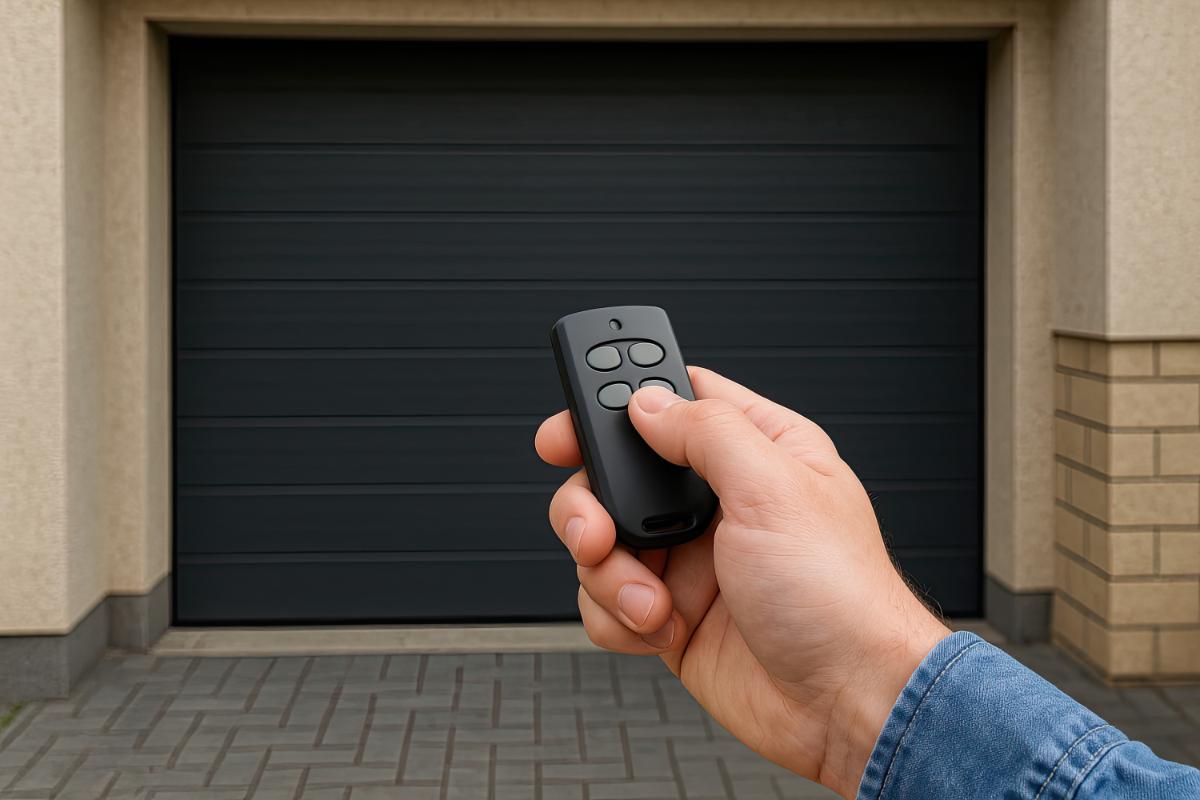
Start by checking the battery status of your remote control; a weak or dead battery is a common issue that can prevent your garage door from opening.
Next, test the signal range by standing at various distances to ensure the remote is functioning properly.
If you’re still having problems, it may indicate a deeper issue with the remote or the opener itself.
Check Battery Status
While it might seem simple, checking the battery status of your garage door remote is an essential step in troubleshooting opener issues. Start by inspecting the battery compartment for any corrosion or damage. If you need a battery replacement, make sure you choose one with the right battery compatibility for your remote model.
| Battery Type | Compatibility |
|---|---|
| AA | Most standard remotes |
| CR2032 | Keychain remotes |
| 9V | High-power remotes |
If your remote’s range has diminished or it’s unresponsive, replacing the battery often resolves the problem. Remember, even a small battery issue can lead to frustrating delays, so stay proactive in your maintenance!
Test Signal Range
Testing the signal range of your garage door remote is essential for ensuring the best functionality. You want to make certain your remote works smoothly without interruptions caused by signal interference or distance limitations.
Here’s how to effectively test the range:
- Stand close to the garage door and press the remote.
- Gradually move away while continuing to press the button.
- Observe the door’s response; if it stops working at a certain distance, this indicates a limit.
- Check for any obstructions or sources of interference nearby.
Understanding your remote’s signal range can prevent frustration and ensure seamless access to your garage.
Regularly testing can help you identify issues early, fostering a reliable connection between you and your garage door system.
Examine the Safety Sensors
Two crucial components of your garage door opener system are the safety sensors, which play a significant role in preventing accidents. When the sensors aren’t aligned correctly, the safety features may fail, leading to potential hazards. To verify they’re functioning properly, check for any obstructions in their path and clean the lenses.
Here’s a quick reference table to help you with sensor examination:
| Sensor Condition | Action Needed | Notes |
|---|---|---|
| Misaligned | Adjust alignment | Ensure they face each other |
| Dirty lenses | Clean with a soft cloth | Avoid harsh cleaners |
| Blinking LED indicator | Check connections | Replace if necessary |
Tighten Loose Hardware
After ensuring the safety sensors are functioning properly, it’s important to address any loose hardware in your garage door opener system.
Tightening loose hardware is an essential part of hardware maintenance that directly impacts door stability. You’ll want to regularly inspect the following components:
- Bolts and screws on the opener unit
- Hinges on the door panels
- Tracks and brackets securing the door
- Springs and cables for tension
Using a socket wrench or screwdriver, carefully tighten any loose parts. Don’t overtighten, as this can cause damage.
Regular maintenance ensures your garage door operates smoothly, enhancing safety and functionality. If you notice persistent issues despite tightening, it may be time to consult a professional.
Taking these steps prolongs the life of your garage door opener and fosters a sense of community, knowing you’re part of a proactive group committed to home safety.
Test the Garage Door Opener Mechanism
Regularly testing the garage door opener mechanism is essential for ensuring it operates safely and efficiently.
To start, press the remote button and observe the door’s movement. It should open and close smoothly without any jerks or unusual noises. If you notice any delays or irregularities, it’s time for mechanism troubleshooting. Check the limit settings and verify they’re correctly adjusted; this controls how far the door travels.
Next, inspect the safety sensors located at the bottom of the door tracks. Confirm they’re aligned and free from obstructions. If the door reverses unexpectedly, it could indicate a problem with these sensors.
Additionally, test the door opener functionality by using the wall switch and remote; both should work seamlessly.
Regular testing maintains your door’s performance and enhances safety, giving you peace of mind every time you use it.
Replace Worn-Out Parts
To keep your garage door opener functioning smoothly, you need to identify worn components that could hinder performance.
Check parts like the drive belt, gears, and rollers for signs of wear and tear.
Once you pinpoint the issues, select high-quality replacements to ensure reliable operation and longevity.
Identify Worn Components
While you mightn’t notice it immediately, worn components in your garage door opener can lead to significant problems if left unchecked. Identifying these worn parts is essential for maintaining your system’s functionality and safety.
Pay attention to the following signs:
- Worn springs that struggle to lift the door
- Damaged cables showing fraying or rust
- Noisy operation, indicating strain on components
- An unresponsive remote or wall switch
Regularly inspecting these elements helps you catch issues early. If you spot any of these signs, it’s time to take action.
Choose Quality Replacements
When it comes to replacing worn-out parts in your garage door opener, choosing high-quality replacements is essential for ensuring reliable performance.
Opt for high-quality components made from durable materials that withstand daily wear and tear. This enhances the longevity of your garage door system and prevents future malfunctions that can disrupt your routine.
When selecting parts, consider reputable brands known for their reliability and commitment to safety. Investing in quality ensures smoother operation and reduces the risk of unexpected repairs.
Align the Garage Door Tracks
If your garage door isn’t opening or closing smoothly, one common issue might be misaligned tracks. Proper track alignment is vital for seamless operation. Here’s how to check and adjust the tracks effectively:
- Inspect the tracks for visible bends or dents.
- Use a level to verify that the tracks are vertically straight and aligned.
- Loosen the track mounting bolts for adjustments.
- Tighten the bolts once you have the tracks in the correct position.
Begin by gently tapping the tracks back into alignment with a rubber mallet if necessary.
Make sure you perform a door adjustment after fixing any misalignments, confirming the door sits properly within the tracks.
Regularly checking track alignment will help prevent further issues, creating a smoother experience every time you use your garage door.
Keeping your garage door in top shape fosters a sense of reliability and comfort, making your life just a bit easier.
Clear Obstructions From the Door Path
To ensure your garage door operates smoothly, clearing obstructions from the door path is essential.
Begin by inspecting the area directly under and around the door. Common obstruction types include debris, tools, and even garden equipment. These items can disrupt door alignment, preventing the door from opening or closing correctly.
Next, check for any objects that might’ve fallen into the track or tangled in the mechanism. If you spot anything, carefully remove it to ascertain a clear path.
Don’t forget to examine the door’s sensors; dirt or cobwebs can interfere with their function, leading to unexpected stops.
Finally, after clearing the area, test the door’s operation multiple times to ascertain that it moves freely. A well-maintained door path enhances your garage door’s functionality and prolongs its lifespan.
Regular checks will keep your garage door functioning effectively and safely.
Reset the Garage Door Opener
After confirming the door path is clear, resetting the garage door opener can resolve various operational issues.
You might be facing problems like unresponsive remotes or erratic door movement. Utilizing effective resetting methods is key to restoring functionality.
Here are some troubleshooting techniques to take into account:
- Power Cycle: Disconnect the power supply for a minute, then reconnect it.
- Reset Button: Locate the reset button on the motor unit; press it to restore default settings.
- Remote Reprogramming: Follow the specific steps to reprogram your remote, confirming it’s synced properly.
- Limit Settings Adjustment: Check the limit settings to confirm the door knows when to stop.
Consult a Professional Technician
When your DIY efforts don’t yield the expected results, consulting a professional technician can save you time and prevent further damage. A professional assessment of your garage door opener can identify issues you might overlook, ensuring you address the root cause rather than just symptoms.
Technicians possess specialized tools and experience that allow them to diagnose problems effectively and efficiently.
Don’t hesitate to seek expert advice when faced with complex electrical issues, malfunctioning remotes, or misaligned sensors. These professionals can provide insights into ideal repair methods and recommend preventive measures to avoid future breakdowns.
Frequently Asked Questions
How Often Should I Perform Maintenance on My Garage Door Opener?
You should follow a maintenance schedule that includes routine inspections every six months. This ensures your garage door opener operates smoothly, identifies potential issues early, and prolongs its lifespan, keeping you and your family safe.
Can Weather Affect My Garage Door Opener’s Performance?
Weather can be a silent saboteur; temperature effects and humidity impact your garage door opener’s performance. When extremes hit, it may struggle to function, so keep an eye on conditions to ensure smooth operation.
What Types of Garage Door Openers Are Available?
When considering garage door openers, you’ve got options: chain drive for durability, belt drive for quiet operation, screw drive for low maintenance, and smart openers for tech-savvy convenience. Choose what fits your lifestyle best.
Are There DIY Repair Options for Garage Door Openers?
Imagine fixing a leaky faucet—it’s similar to garage door openers. You can tackle common issues like misalignment or faulty sensors using basic repair tools. With patience, you’ll restore functionality and gain confidence in your skills.
How Can I Prevent Future Garage Door Opener Issues?
To prevent future garage door opener issues, implement preventive measures like regular inspections. Check connections, lubricate moving parts, and test safety features. Staying proactive ensures your opener operates smoothly, fostering a sense of security and reliability in your home.
Final Thoughts
By following these tips, you can tackle garage door opener repairs with confidence. After all, wouldn’t you rather solve the problem yourself than wait for a technician? Regular maintenance and attention to detail ensure smooth operation and extend your opener’s lifespan. If you face persistent issues, don’t hesitate to consult a professional. Remember, a well-functioning garage door isn’t just a convenience; it’s an essential part of your home’s security.
Recent Posts
Steel vs Wood Garage Doors: A Head-to-Head Comparison
If you think garage door material is just a style choice, it isn’t. You’re also
Single vs Double Garage Door: Picking the Right Configuration for Your Home
Choosing between a single and double garage door affects more than looks. You need to
Garage Door Financing Options: Pay Over Time Without Surprises
Most of homeowners delay big repairs because of cost, and a new garage door can