
Contents
Most people underestimate the complexity of garage door openers and the common issues they can face. You might think a simple push of a button should always work, but malfunctions can happen for various reasons. From remote control failures to sensor misalignments, these problems can disrupt your day. Understanding these issues is essential for quick fixes and smoother operation. Let’s explore the top five problems that could be affecting your garage door opener.
Key Takeaways
- Remote control malfunctions often stem from dead batteries, interference, or outdated programming, requiring testing and reprogramming for resolution.
- Misaligned or obstructed sensors can prevent the door from functioning; ensure they are directly facing each other and are clean from debris.
- Power supply issues may arise from faulty outlets or tripped breakers; check connections and reset breakers as necessary.
- Worn-out or broken components, like springs and gears, can cause operational failures; regular inspections and timely replacements are essential.
- Programming and syncing problems can be solved by ensuring fresh batteries, reducing interference, or resetting the opener to factory settings.
Remote Control Malfunctions
When your garage door opener remote control stops working, it can be frustrating, especially if you’re in a hurry. First, check the remote battery; a simple remote battery replacement often solves the issue. Open the back panel, replace the old battery with a fresh one, and try again.
If the remote still doesn’t function, consider interference sources. Common culprits include nearby electronics, wireless devices, or even thick walls that can block signals. To troubleshoot, move closer to the garage door and test the remote.
Additionally, verify that the remote’s antenna isn’t damaged or obstructed. If you’re still having trouble, reprogramming the remote might help. Follow the manufacturer’s instructions to reset it, which can often restore its functionality.
Misaligned or Obstructed Sensors
Remote control issues aren’t the only reason your garage door mightn’t operate properly. Misaligned or obstructed sensors can cause significant problems.
These sensors, located at the bottom of your garage door tracks, ensure the door doesn’t close on obstacles. If they’re misaligned, the door may not function at all.
Start by checking the sensor alignment. Make sure both sensors face each other directly and are at the same height. If they’re not aligned, simply adjust them until they are.
Next, inspect for dirt or debris obstructing the sensors. A quick sensor cleaning with a soft cloth can resolve many issues.
After realigning and cleaning, test the door again. If it still doesn’t respond, you might need to investigate deeper into troubleshooting.
Power Supply Issues
One common culprit behind garage door malfunctions is power supply issues. When your garage door refuses to budge, the first thing you should check is the power outlet. Verify it’s functioning properly—try plugging in another device. If that device doesn’t work, the outlet may need attention.
Next, examine your circuit breaker. It could have tripped, cutting power to your garage door opener. Resetting the breaker might solve the problem, but if it trips again, you could be dealing with a deeper electrical issue.
If the power supply seems intact but your door still won’t operate, consider inspecting the opener’s power cord for damage. A frayed cord can disrupt power flow, leading to a malfunction.
Worn-Out or Broken Components
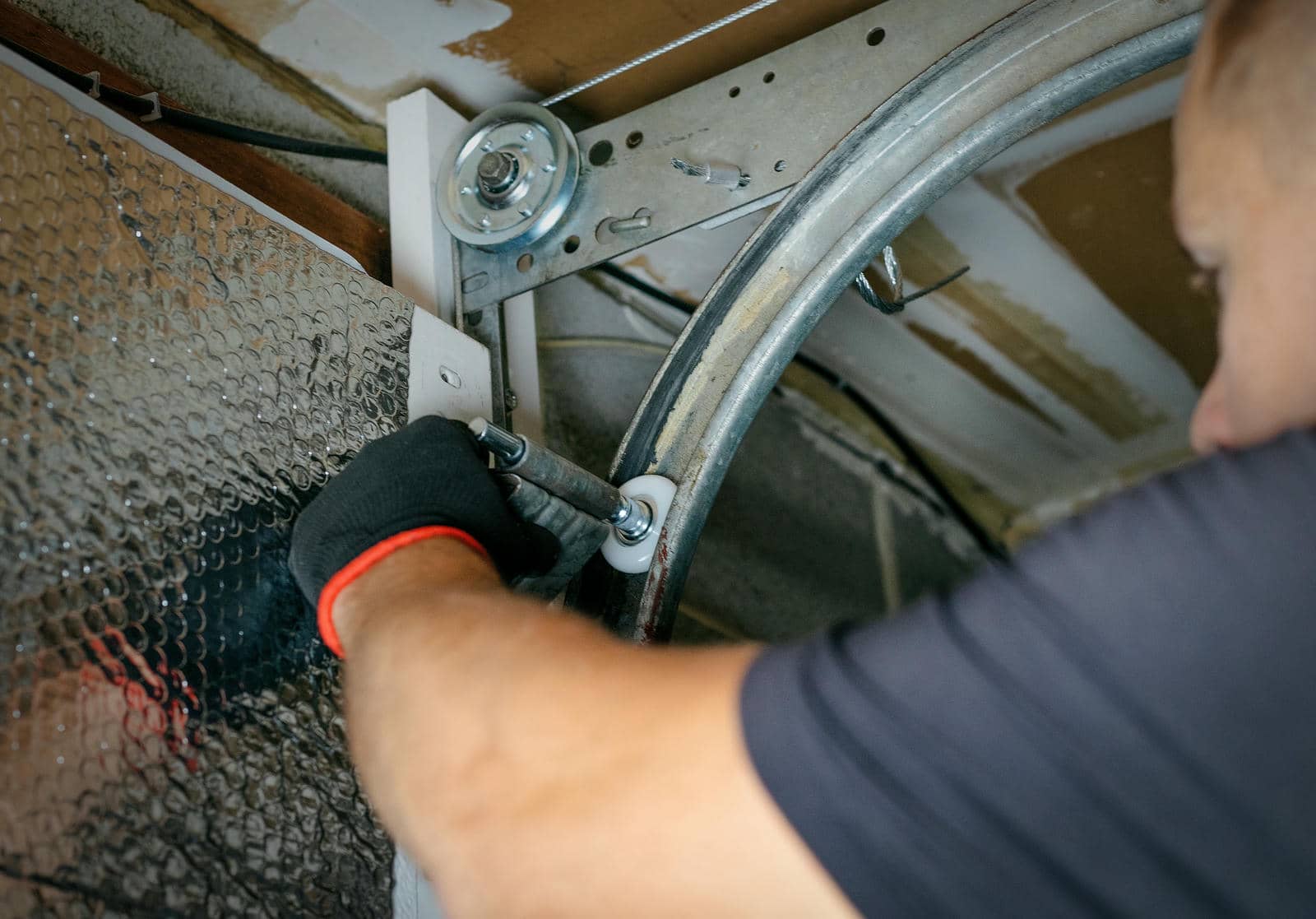
Although you mightn’t realize it, worn-out or broken components can considerably affect your garage door’s performance. One common issue involves worn springs. These springs are vital for lifting the door; when they weaken, you might notice the door struggles to open or close properly. If you hear unusual noises or see the door sagging, it’s time to inspect it.
Another frequent culprit is broken gears within the opener mechanism. These gears enable smooth operation, and if they’re damaged, you’ll likely experience erratic movement or complete failure.
To address these issues, it’s important to regularly inspect your garage door system. If you identify worn springs or broken gears, consider replacing them promptly. You can either tackle this as a DIY project or enlist the help of a professional.
Programming and Syncing Problems
After addressing worn-out or broken components, you might encounter programming and syncing problems with your garage door opener.
These issues often stem from programming glitches or syncing errors between the remote and the opener. First, verify that your remote’s batteries are fresh; weak batteries can lead to unreliable communication.
Next, try reprogramming your remote by following the manufacturer’s instructions. This usually involves pressing the learn button on the motor unit and then activating the remote.
If syncing errors persist, check for interference from other electronic devices nearby. Sometimes, simply moving the opener or remote can resolve these issues.
Lastly, if all else fails, consider resetting your opener to factory settings. This can clear any lingering glitches.
Frequently Asked Questions
How Often Should I Service My Garage Door Opener?
You should service your garage door opener at least once a year. Regular garage door maintenance helps prevent issues, and timely opener troubleshooting ensures smooth operation, keeping your home safe and secure for you and your family.
Can I Use My Smartphone to Control My Garage Door Opener?
Imagine accessing your front door with a smartphone; it’s that simple with garage door openers. If your opener supports smartphone integration and has app compatibility, you can easily control it from anywhere.
What Is the Average Lifespan of a Garage Door Opener?
The average lifespan of a garage door opener is about 10 to 15 years. Regular garage door maintenance can extend its life, but when it fails, you’ll need to evaluate opener replacement for peak functionality.
Are There Safety Features in Modern Garage Door Openers?
Yes, modern garage door openers incorporate advanced safety features like sensor technology to detect obstacles and an auto reverse mechanism, ensuring your door stops and reverses if it encounters anything in its path, enhancing safety considerably.
How Can I Tell if My Garage Door Opener Is Compatible With My Door?
To determine compatibility, you’ll need a compatibility check between your garage door and opener types. Compare specifications like weight, size, and drive system. This ensures your opener can handle your door’s demands effectively and safely.
Final Thoughts
Staying savvy about your garage door opener’s common complications can save you stress and time. By promptly addressing remote control malfunctions, sensor issues, power supply problems, worn-out parts, and syncing snags, you’ll ensure smooth operation for your garage door. Regular check-ups and maintenance are your best allies in preventing potential pitfalls. So, keep your opener in peak operation to enjoy consistent convenience and peace of mind in your daily routine.
Recent Posts
Sectional Commercial Garage Doors: The Most Versatile Option for Most Facilities
If you need a door that handles heavy use without wasting space, sectional commercial garage
Commercial Garage Door Repair: Minimizing Downtime When Doors Fail
When your warehouse door jams at 6 a.m., trucks back up, crews idle, and every
Warehouse Garage Doors: Picking the Right Door for Loading Dock Demands
When you’re choosing a warehouse garage door for a loading dock, you need to balance