
Contents
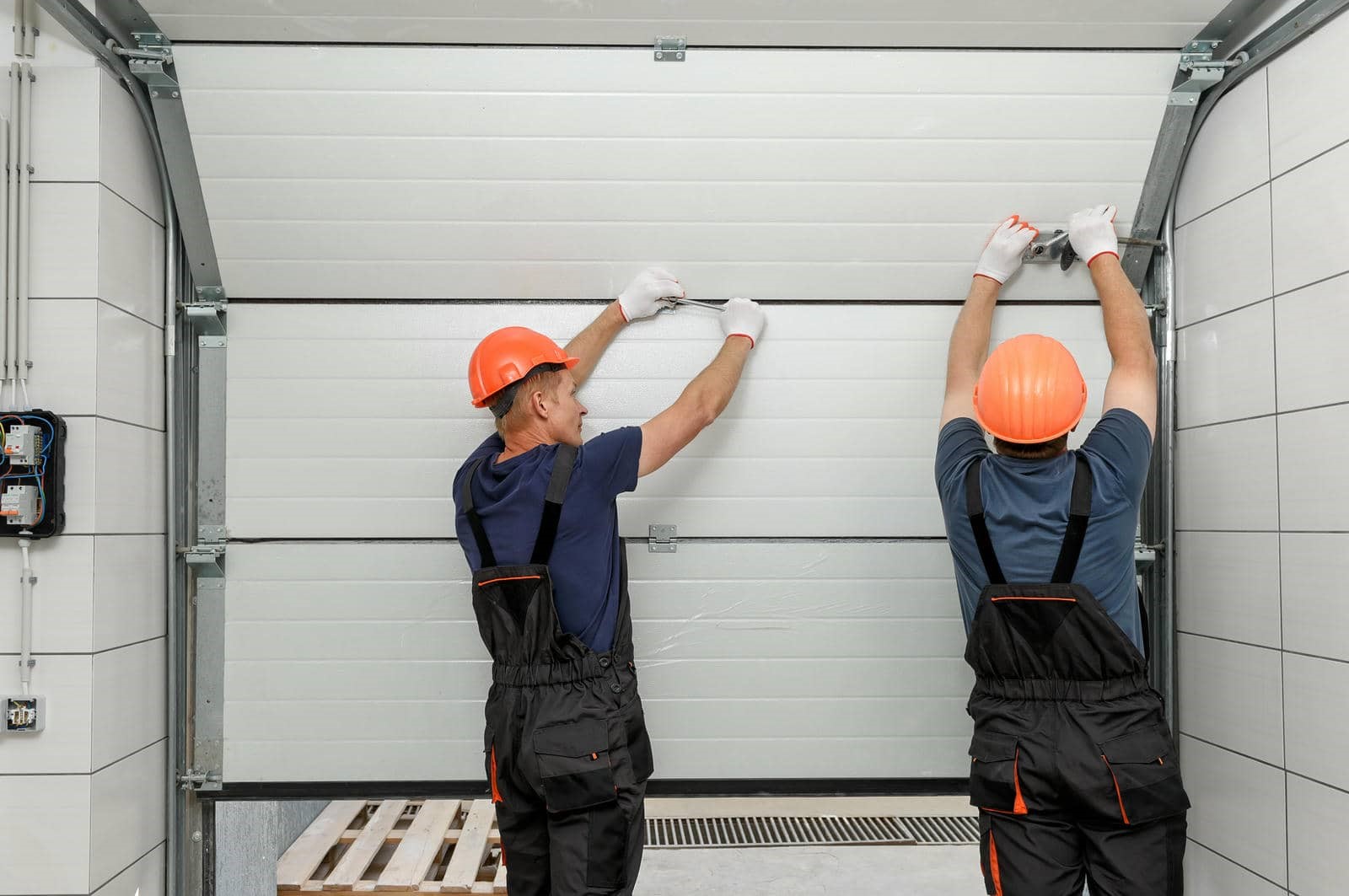
When it comes to garage door installation, precision and adherence to guidelines are vital. You’ll want to start by selecting the right door and measuring your opening accurately. Following the manufacturer’s instructions is fundamental for safety and performance. Properly installing tracks, springs, and safety features can make all the difference. Let’s explore the important steps to ensure your installation is successful and your garage door operates smoothly for years to come.
Key Takeaways
- Measure your garage door opening accurately to ensure a proper fit for the new door and tracks.
- Follow the manufacturer’s instructions closely for assembly and installation to avoid mistakes.
- Install tracks and springs carefully, ensuring they are level and adjusted correctly for smooth operation.
- Test the door’s functionality and safety features, including sensors and the emergency release mechanism, after installation.
- Conduct regular maintenance checks, including lubrication and inspections, to ensure long-term safety and performance.
Choose the Right Garage Door for Your Home
When selecting a garage door for your home, what factors should you consider? First, think about the garage door styles available, as they greatly impact your home’s curb appeal. You’ll find options like traditional raised panel, contemporary carriage house, and sleek modern designs, each offering a unique aesthetic.
Next, assess insulation options. A well-insulated garage door can enhance energy efficiency, keeping your garage comfortable year-round and reducing heating costs. Look for doors with a high R-value for better thermal performance, especially if your garage is attached to your home.
Also, consider durability and maintenance requirements. Materials like steel, fiberglass, and wood each come with their own advantages and drawbacks.
Gather Necessary Tools and Materials
Before you start your garage door installation, it’s vital to gather the essential tools and materials.
You’ll need a checklist to ensure you have everything required for a smooth process.
This preparation helps prevent delays and ensures the job is done correctly.
Essential Tools Needed
Gathering the right tools and materials is crucial for a successful garage door installation. You’ll need a variety of tool types to ensure efficiency and safety.
Start with basic hand tools like a tape measure, level, and screwdriver set. A power drill will make installation quicker, while a socket set is significant for securing hardware.
Don’t forget safety gear, including gloves and goggles, to protect yourself during the process. A ladder is also necessary for reaching higher components.
Confirm you have a torque wrench to properly tighten bolts and springs, which is essential for installation safety.
Required Materials Checklist
Having the right tools is only part of the equation; you also need to ensure you have all the necessary materials for your garage door installation.
Begin by identifying the types of doors you’re working with, as different models require specific components. Common materials include tracks, rollers, hinges, and brackets, each tailored to your door type. Don’t forget safety cables and weather stripping for enhanced functionality.
Additionally, make sure you have the right fasteners and hardware kits, as these can affect installation costs greatly.
Double-check that you have all required materials on hand before starting to avoid delays. By preparing a thorough checklist, you’ll streamline the process and feel more confident tackling your installation.
Measure the Opening Accurately
Accurate measurements are essential when it comes to installing a garage door, as even a slight miscalculation can lead to improper fitting and operational issues.
Start by measuring the opening dimensions horizontally and vertically. Use a reliable tape measure, and verify you measure at multiple points to account for any irregularities in the structure. Record the smallest width and height; these are your critical dimensions.
Don’t forget to check the depth of the opening as well, which affects the installation of the door’s tracks. If you’re adding insulation or a specific frame, include those in your calculations too.
It’s advisable to have a second person assist you during this process for added precision.
Follow Manufacturer’s Instructions Carefully
When installing your garage door, it’s essential to read the manual thoroughly to ensure you understand each assembly step.
Following the manufacturer’s instructions streamlines the process and helps you adhere to safety guidelines.
Ignoring these details can lead to complications or even accidents during installation.
Read Manual Thoroughly
One key to a successful garage door installation is understanding the manufacturer’s instructions. The manual’s importance can’t be overstated; it provides essential details specific to your door model, ensuring you avoid common installation challenges.
By reading the manual thoroughly, you’ll familiarize yourself with necessary tools, safety precautions, and step-by-step guidelines. This knowledge empowers you, reducing the risk of mistakes and enhancing your confidence throughout the process.
Don’t skip any sections, even ones that seem obvious—each detail plays a role in achieving a smooth installation. Taking the time to comprehend the manual helps you connect with your project and fosters a sense of accomplishment once the door’s up and running.
Your diligence matters!
Understand Assembly Steps
Having read the manual thoroughly, you’re now ready to grasp the assembly steps for your garage door installation.
Start by gathering all garage door components, ensuring you have everything needed for the project. Pay attention to the specific assembly techniques recommended by the manufacturer, as these are designed to ensure a secure fit and ideal functionality.
Begin with the tracks and brackets, following the provided diagrams closely. As you assemble the panels, make sure to align them correctly and secure them tightly.
Don’t rush; take your time to ensure accuracy. Double-check each step against the manual.
Completing these assembly steps correctly is essential for the longevity and performance of your garage door, making your installation experience rewarding and fulfilling.
Follow Safety Guidelines
To ensure a safe and successful garage door installation, always follow the manufacturer’s instructions carefully. Each garage door system comes with specific guidelines tailored to its design and components.
Before you begin, make certain you’re equipped with the proper safety gear, such as gloves and goggles, to protect yourself from potential hazards.
Familiarize yourself with emergency procedures in case something goes wrong during the installation. This includes knowing how to quickly disconnect the power and what steps to take if a part malfunctions.
Adhering to these instructions ensures your safety and helps maintain the integrity of the door and its mechanisms.
Install the Tracks and Rollers
Installing the tracks and rollers is a significant step in ensuring your garage door operates smoothly. Proper track alignment is essential for the door’s functionality and longevity. Start by securing the vertical tracks on either side of the door frame. Use a level to verify they’re perfectly vertical before fastening them to the wall.
Next, install the horizontal tracks, making sure they slope slightly down towards the garage’s back. This slope facilitates proper drainage and prevents water accumulation.
Don’t forget roller lubrication; apply a silicone-based lubricant to each roller to reduce friction and wear.
Here’s a quick checklist to guide you:
- Verify tracks are level and properly aligned.
- Use appropriate hardware for secure installation.
- Lubricate rollers regularly for peak performance.
- Inspect tracks for any obstructions before installation.
Set Up the Garage Door Springs
Setting up the garage door springs is crucial for the safe and effective operation of your door.
Begin by identifying whether you’re using extension or torsion springs, as each type requires different handling. If you’re working with torsion springs, make sure you have the correct tools for spring adjustment, as improper handling can lead to injury.
To set the spring tension, you’ll need to unwind or wind the springs based on your door weight. For a balanced door, adjust the tension evenly on both sides. Always make adjustments in small increments, checking the door’s operation after each change.
When working with extension springs, confirm they’re properly secured to the brackets and pulleys.
Double-check that all components are in good condition before completing the installation. Following these steps ensures the functionality of your garage door and your safety and peace of mind.
Test the Door’s Functionality
Once you’ve completed the installation, it’s essential to test the door’s functionality to verify everything operates smoothly. Proper functionality testing confirms your garage door is safe and reliable.
Start by checking the door alignment; a misaligned door can lead to operational issues and pose safety risks. Here are key aspects to focus on during your testing:
- Confirm the door opens and closes fully without obstruction.
- Test the remote control and wall switch for responsiveness.
- Listen for unusual noises, which may indicate mechanical problems.
- Observe the door’s movement for any jerky or uneven motions.
Ensure Proper Safety Features Are in Place
Assuring proper safety features are in place is essential for the safe operation of your garage door. Start by installing photoelectric sensors, which detect obstacles in the door’s path and stop it from closing. These sensors are a critical safety feature that prevents accidents.
Next, check the functionality of the emergency release mechanism; this allows you to manually operate the door in case of a power failure. Make sure it’s easily accessible and functions smoothly.
Additionally, inspect the door’s balance; an unbalanced door can pose serious safety risks. Regular maintenance checks can help identify wear and tear on components like springs and cables.
Finally, educate your family on safe garage door use, emphasizing the importance of keeping hands and fingers clear while the door operates. By prioritizing these safety features, you’ll create a secure environment for everyone and foster peace of mind in your home.
Frequently Asked Questions
How Long Does a Typical Garage Door Installation Take?
A typical garage door installation takes about 4 to 6 hours. However, your installation timeline may vary based on factors like door type, existing structure, and any necessary modifications. Plan accordingly to ensure a smooth process.
Can I Install a Garage Door Alone?
You can install a garage door alone, but it’s like juggling flaming torches! DIY garage projects require safety precautions. Having a buddy helps, ensuring you tackle the task without risking injury or mistakes.
What Are Common Mistakes to Avoid During Installation?
To avoid common mistakes during installation, ensure measuring accuracy throughout the process and choose the right hardware for your specific door. Neglecting these steps could lead to improper fitting or functionality issues down the line.
Do I Need a Permit for Garage Door Installation?
Yes, you’ll likely need a permit for your garage door installation. Local garage door regulations often require it. Check installation requirements in your area to ensure compliance and avoid potential pitfalls during your project.
How Do I Dispose of My Old Garage Door?
You can dispose of your old garage door by checking local regulations for recycling options. Many communities offer recycling programs, or you might find a scrap metal dealer who’ll accept it for proper disposal.
Summary
By following these garage door installation tips, you’ll transform your space, much like how a knight fortifies their castle. Remember, precision is key—measure twice, install once. Keep safety features in mind, and don’t shy away from consulting the manufacturer’s instructions. Regular maintenance is your sword against wear and tear. With these practices in place, you’ll ensure your garage door stands strong, safeguarding your home as effectively as a well-guarded gate.
Recent Posts
How to Repair Your Garage Door Efficiently
Your garage door might just need a little TLC to get back on track. Start
Essential Tips for Garage Door Installation and Repair
When installing or repairing a garage door, you must prioritize safety, utilize the right tools,
What Are Budget-Friendly Garage Door Repair Tips?
When it comes to maintaining your garage door, knowing some budget-friendly garage door repair tips