
Contents
Have you ever noticed your garage door acting a bit off? Subtle signs often slip under the radar, leading to bigger headaches down the line. From unusual noises to a rough opening and closing, these indicators can point to hidden wear on the springs. Understanding these symptoms is essential for maintaining your garage door’s functionality and safety. Let’s explore what to look for before these minor issues escalate into major problems.
Key Takeaways
- Changes in door operation, such as difficulty opening or closing, can indicate weakening springs that need inspection.
- Visible rust or corrosion on springs compromises integrity and signals the need for replacement.
- Misalignment of springs often leads to operational issues and should be addressed immediately.
- Unusual noises like grinding or popping can indicate spring wear and necessitate professional assessment.
- A door that does not maintain balance may suggest internal spring problems requiring urgent attention.
Understanding Garage Door Spring Functionality
Garage door springs are the unsung heroes of your home’s entryway, quietly facilitating the smooth opening and closing of your garage door. These crucial components work by maintaining spring tension, which counterbalances the door’s weight, allowing for effortless operation.
When you press that remote, you’re relying on these springs to do their job seamlessly, creating a sense of security and comfort as you come and go.
Understanding this functionality is essential for any homeowner. Over time, springs can wear out, losing their tension and effectiveness, which might lead to unexpected inconveniences.
Regularly checking for signs of wear can save you from costly repairs or spring replacement down the line. Knowing how these springs operate empowers you and connects you to the maintenance of your home—ensuring your garage remains a reliable sanctuary for your vehicles and belongings.
Stay proactive, and your garage will continue to serve you well.
Identifying Signs of Wear on Garage Door Springs
As you rely on your garage door springs to function smoothly, it’s essential to recognize the signs of wear that can compromise their performance.
Keep an eye out for any noticeable changes in spring tension; if the door feels heavier or struggles to open, it may indicate weakening springs.
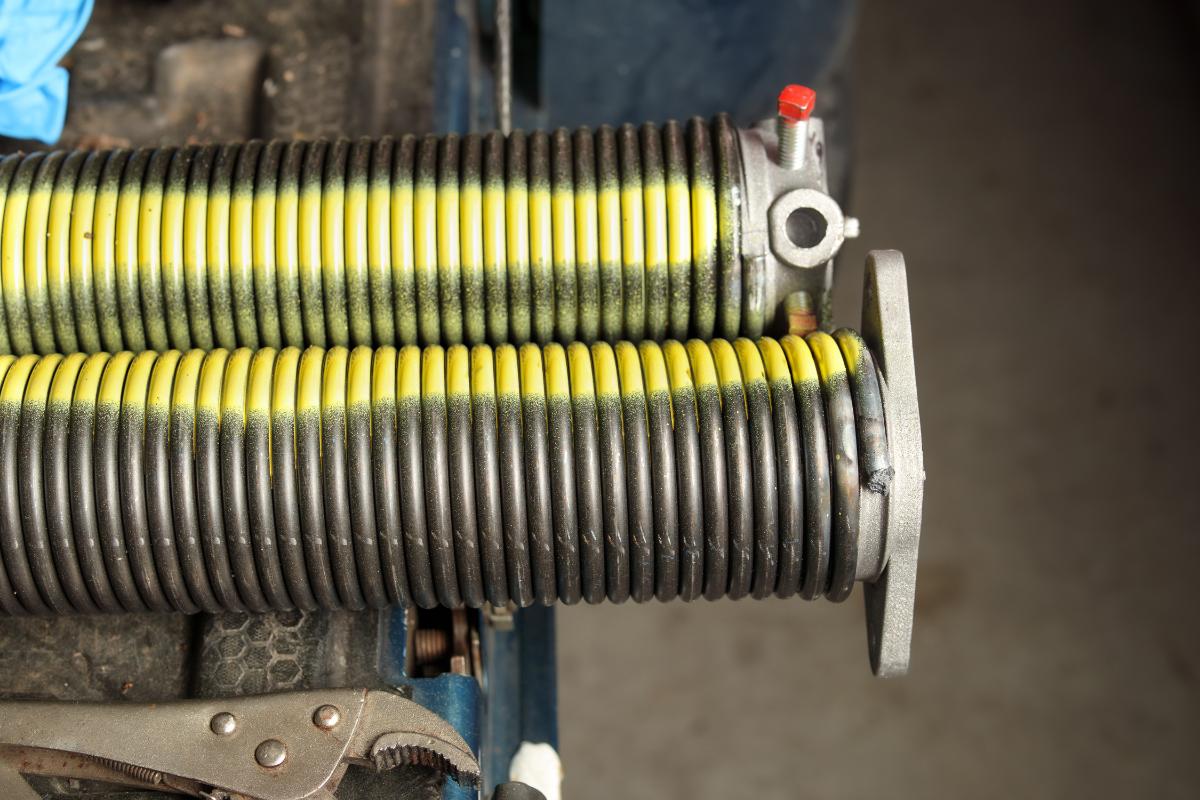
Look for visible signs of rust or corrosion, which can undermine their integrity over time. Regular rust prevention measures, like applying lubricants or protective coatings, can extend the life of your springs.
Additionally, pay attention to the overall alignment of the springs. If they appear uneven or misaligned, this could signal impending issues that require immediate attention.
By staying vigilant and proactive, you’ll help ensure your garage door operates seamlessly, protecting both your home and your peace of mind.
Unusual Noises Indicating Spring Issues
When your garage door springs start to wear, they often make unusual noises that can serve as a warning sign. These springtime noises can signal underlying issues that need your attention. By tuning into these garage sounds, you can prevent more significant problems down the line.
| Noise Type | Possible Issue |
|---|---|
| Squeaking | Lack of lubrication |
| Banging | Loose hardware |
| Grinding | Misaligned springs |
| Popping | Rust or corrosion |
| Hissing | Air leaks in pneumatic parts |
Recognizing these sounds helps keep your garage functioning smoothly and fosters a sense of community care. You’re not just maintaining your home; you’re ensuring your family’s safety. So, pay attention to those unusual noises; they might just be your garage door’s way of asking for some love this spring!
The Impact of Weather on Garage Door Springs
While you mightn’t think about it often, weather conditions can greatly affect the performance and longevity of your garage door springs.
Weather fluctuations, such as extreme temperatures, can cause metal springs to expand and contract, leading to wear and tear over time. If you live in an area with high humidity, you may notice humidity effects that promote rust and corrosion on your springs, compromising their strength and function.
As the seasons change, it’s crucial to recognize how these conditions can impact your garage door system. Regularly exposing your springs to varying weather can lead to unexpected breakdowns, leaving you feeling vulnerable.
Visual Inspections for Spring Damage
Weather fluctuations can reveal hidden issues with your garage door springs, making regular visual inspections essential.
You’ll want to look for damage indicators that signal wear and tear. Start by checking for rust or corrosion on the springs, as these can weaken their integrity. Listen for any unusual noises when the door opens or closes; strange sounds often hint at underlying problems.
Next, inspect the spring’s tension. If it appears misaligned or uneven, it could affect the door’s operation.
A quick glance at the cables can also help—fraying or excessive wear here might lead to more serious issues down the road.
Frequency of Garage Door Usage and Spring Longevity
As spring rolls in, you might notice how your garage door takes on a new rhythm with the changing weather.
The frequency of usage can greatly impact its longevity, especially under seasonal stressors.
Seasonal Weather Impact
Though spring often brings a revitalizing change, the frequency with which you use your garage door can greatly influence both its longevity and your overall seasonal experience. As you embrace warmer spring temperatures and shifting weather patterns, your garage door works harder.
| Usage Frequency | Impact on Garage Door |
|---|---|
| Daily | Increased wear & tear |
| Weekly | Moderate wear |
| Monthly | Minimal wear |
| Rarely | Less wear |
Consider how often you’re opening and closing that door for gardening projects or family outings. Each use can affect its mechanics, making awareness essential. By recognizing these patterns, you can make certain your garage door remains reliable, enhancing your enjoyment of all spring has to offer.
Maintenance Routine Importance
With the increased usage of your garage door during spring, establishing a maintenance routine becomes key to ensuring its longevity.
As you engage in your spring cleaning, don’t overlook those routine checks for your garage door. Regularly inspecting the springs, cables, and tracks can prevent unexpected failures and keep everything running smoothly.
Think of it as a seasonal tune-up, much like you’d do for your garden or home. A well-maintained garage door enhances your home’s curb appeal and fosters a sense of belonging within your neighborhood.
Usage Patterns Analysis
Understanding how often you use your garage door during spring can greatly impact its longevity. As the season unfolds, you might notice increased spring usage, which can reveal specific wear patterns.
Keeping an eye on these habits can help you maintain your door’s health and ensure it serves you well for years to come. Consider these key points:
Frequency of Opening: More trips in and out can lead to increased strain.
Weather Effects: Rain and wind can affect mechanisms, making checks essential.
Weight Loads: Loading heavy items can wear down the door faster.
Routine Maintenance: Regular checks during spring can catch issues early.
Importance of Professional Garage Door Assessments
As spring approaches, you mightn’t think about your garage door, but neglecting its condition can lead to more significant issues down the line. This season is the perfect time for spring maintenance, and scheduling a professional garage door assessment is essential.
Experts can identify hidden wear and tear that you might overlook, ensuring your door operates smoothly and safely.
Imagine the peace of mind that comes from knowing your garage door is in top shape, protecting your home and belongings. Professional assessments catch potential problems early and enhance your home’s curb appeal.
A well-maintained garage door can elevate the overall aesthetic of your property, fostering a sense of pride in your space.
Investing in these assessments isn’t just about functionality; it’s about belonging to a community of homeowners who care for their properties.
Common Myths About Garage Door Springs
While many homeowners rely on their garage doors daily, misconceptions about garage door springs can lead to unsafe situations and unnecessary expenses.
It’s crucial to debunk these spring myths to ensure your garage door operates smoothly and safely. Here are some common misconceptions:
All springs are the same: Different garage doors require specific spring types for peak performance.
You can replace springs yourself: DIY spring replacement can be dangerous; professional help is always recommended.
Springs last forever: Springs wear out over time and need regular inspection and eventual replacement.
Only the visible parts need maintenance: Hidden components of your garage door system can also affect spring lifespan and safety.
Understanding these myths can help you make informed decisions about your garage door maintenance.
DIY Techniques for Temporary Spring Repairs
When faced with a malfunctioning garage door spring, don’t panic—there are several DIY techniques you can employ for temporary repairs.
First, consider using a sturdy rope or bungee cord to hold the door in place until you can procure a permanent solution. This quick fix can stabilize your door and prevent further damage.
Next, inspect the spring for any visible wear or rust. If you notice minor issues, applying a lightweight lubricant can ease tension and aid in smooth operation.
Remember, these are temporary solutions; regular spring maintenance is vital to avoid future mishaps.
Finally, always verify your garage door is balanced; an unbalanced door can put extra strain on springs.
By taking these proactive steps, you can enhance your garage’s functionality while fostering a sense of community through shared knowledge.
You’re not alone in this—everyone faces spring challenges at some point!
When to Seek Emergency Garage Door Services
How can you tell if it’s time to call in the pros for your garage door issues? Recognizing the signs early can ensure your garage’s safety and prevent further damage.
Here are four situations that warrant an emergency response:
Unusual Noises: If you hear grinding, squeaking, or popping sounds, it’s a red flag that something’s amiss.
Door Won’t Open or Close: If your garage door is stuck or won’t respond to the remote, it’s time to act.
Visible Damage: Look for dents, cracks, or broken springs; these can compromise your door’s integrity.
Sensor Issues: If the safety sensors aren’t working properly, it can lead to dangerous situations for you and your family.
Don’t wait until a minor issue escalates into a major problem.
Trust the experts for quick, reliable service that keeps your home secure.
Summary
Just like a whispering breeze hints at the arrival of spring, the subtle signs of garage door spring wear shouldn’t be ignored. By staying alert to unusual noises and visible rust, you can prevent more significant issues down the line. Regular inspections and understanding your door’s functionality will keep everything running smoothly. Don’t wait for a complete breakdown—address these hidden signs now to ensure your garage door operates reliably and safely.
Recent Posts
Why Follow This Garage Door Installation Guide?
When installing a garage door, a small mistake like misaligning the tracks can lead to
3 Best Steps for Garage Door Installation
Did you know that many homeowners tackle garage door installation themselves? This statistic highlights the
How to Install Your Garage Door: Step-by-Step Guide
Installing your garage door might sound like a challenging task, but with the right approach,