
Contents
Reliable overhead door maintenance is vital for preventing unexpected malfunctions that could compromise safety. Regular inspections can uncover issues like misalignment or worn-out components that may not be immediately apparent. By understanding the specific maintenance tasks required, you can ensure your door operates smoothly and efficiently. But what steps should you take to maintain your overhead door effectively? Let’s explore the essential aspects of a thorough maintenance routine.
Key Takeaways
- Reliable overhead door maintenance involves regular inspections to ensure safety and functionality, identifying potential issues before they escalate.
- Routine lubrication of rollers, tracks, and hinges reduces friction, enhancing the door’s performance and longevity.
- Checking door alignment and adjusting hardware, such as springs and cables, prevents operational issues and promotes smooth operation.
- Testing safety features, like auto-reverse mechanisms, ensures the door operates safely and effectively, safeguarding against accidents.
- Budgeting for inspection costs and unexpected repairs helps manage maintenance expenses and keeps the door in optimal condition.
Importance of Regular Overhead Door Maintenance
While you mightn’t think about it often, regular overhead door maintenance is essential for ensuring safety and functionality. By engaging in preventive care, you can identify potential issues before they escalate into costly repairs or safety hazards.
Routine inspections and maintenance tasks, such as lubricating moving parts and checking the alignment, enhance your door’s performance and longevity. A well-maintained overhead door operates smoothly, reducing wear and tear on components, which ultimately saves you money in the long run.
Additionally, consistent upkeep fosters a sense of community and belonging among those who prioritize safety and efficiency in their environment.
Common Overhead Door Issues and Their Solutions
Overhead doors are prone to several common issues, and recognizing them early can save you time and money.
One frequent problem is door misalignment, which can prevent smooth operation. Check the tracks for debris and verify they’re level; minor adjustments can often resolve the issue.
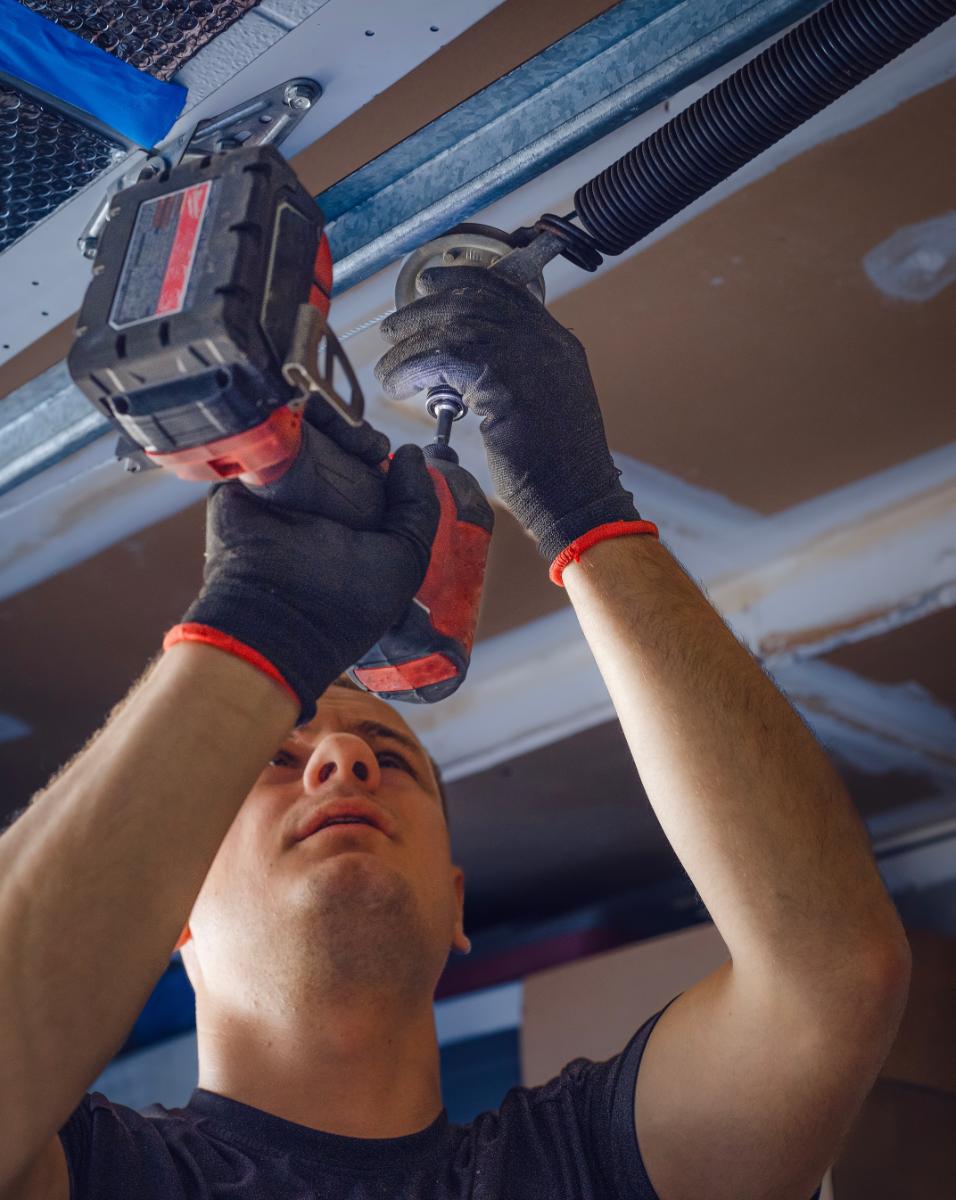
Another common concern is spring tension. If your door feels heavy or won’t open easily, the springs may be too loose or too tight. It’s vital to adjust the tension carefully, as improper handling can be dangerous.
Additionally, listen for unusual noises during operation—these can indicate worn rollers or hinges that need lubrication.
Finally, if you notice the door reversing unexpectedly, inspect the safety sensors for obstructions or misalignment.
Essential Tools for Overhead Door Maintenance
Maintaining your overhead door requires specific tools to ensure efficient repairs and upkeep. Using the right tool types ensures that you can perform tasks effectively and safely. Here’s a quick guide to essential tools and maintenance supplies you’ll need:
| Tool Type | Purpose | Recommended Use |
|---|---|---|
| Screwdriver Set | Tightening loose screws | Regular check-ups |
| Socket Wrench | Adjusting hardware | Spring and roller adjustments |
| Level | Ensuring door alignment | Installation and maintenance |
| Lubricant | Reducing friction | Preventing wear and tear |
| Safety Glasses | Protecting your eyes | During any repair work |
Having these tools on hand simplifies your maintenance tasks and helps you feel prepared. By investing in quality maintenance supplies, you’re taking proactive steps toward ensuring your overhead door operates smoothly for years.
Step-by-Step Maintenance Checklist
Having the right tools sets you up for success, but a systematic approach to maintenance ensures your overhead door operates reliably.
Follow this checklist to keep your door in top shape:
Inspect door alignment: Confirm the door opens and closes smoothly without binding.
Check springs and cables: Look for signs of wear or damage; these are critical for safe operation.
Apply lubrication techniques: Use appropriate lubricants on the rollers, tracks, and hinges to reduce friction and wear.
Test safety features: Verify that the auto-reverse mechanism and safety sensors function correctly.
Regularly performing these tasks will enhance the longevity of your overhead door and confirm it operates safely and efficiently.
When to Seek Professional Help
How can you determine when it’s time to call in a professional for your overhead door issues? Look for clear signs of malfunction, such as unusual noises, failure to open or close completely, or visible damage to the door or its components.
If you notice any of these symptoms, don’t hesitate to seek a professional inspection. Ignoring these signs can lead to more significant problems down the line, potentially compromising your safety and security.
Moreover, if your door’s sensors aren’t functioning properly or if you encounter repeated issues despite your maintenance efforts, it’s a strong indication that expert help is needed.
Professionals bring the technical expertise necessary to diagnose and fix complex issues efficiently. Remember, you’re not alone in this; reaching out for help ensures your overhead door operates smoothly and safely, giving you peace of mind in your home.
Benefits of Preventive Maintenance Plans
Implementing a preventive maintenance plan can lead to significant cost savings over time by reducing the likelihood of major repairs.
This proactive approach also enhances safety measures, ensuring your overhead door operates smoothly and minimizes risks associated with malfunctions.
Cost Savings Over Time
When you prioritize preventive maintenance plans for your overhead doors, you enhance their longevity and greatly reduce long-term costs.
By implementing effective maintenance budgeting, you’ll reveal significant long-term savings. These plans help identify issues before they escalate, minimizing costly repairs and downtime.
Consider these benefits:
- Reduced Repair Costs: Regular checks prevent major breakdowns.
- Increased Efficiency: Well-maintained doors operate smoothly, saving energy.
- Extended Lifespan: Proactive care prolongs the life of your equipment.
- Predictable Expenses: Maintenance budgeting allows for easier financial planning.
Investing in preventive maintenance fosters a sense of community among your team and ensures your operations run seamlessly for years.
Enhanced Safety Measures
By prioritizing preventive maintenance plans for your overhead doors, you greatly enhance safety measures in your operations. Regular safety inspections identify potential issues before they escalate, ensuring your doors function correctly and safely. This proactive approach minimizes the risk of malfunctions that could lead to accidents or injuries.
Additionally, having a structured maintenance plan ensures that your emergency protocols are up-to-date, providing clear guidelines for your team during unexpected situations. When everyone understands the protocols and the equipment is well-maintained, you foster a secure working environment.
Ultimately, investing in preventive maintenance isn’t just about compliance; it’s about cultivating a culture of safety where every team member feels valued and protected.
Cost Considerations for Overhead Door Maintenance
Although overhead door maintenance is essential for safety and functionality, understanding the associated costs can be challenging.
To effectively manage these expenses, it’s important to incorporate budget planning and determine your maintenance frequency. Here are some key factors to take into account:
Inspection Costs: Regular inspections can help identify issues before they escalate.
Repair Expenses: Be prepared for unexpected repairs that may arise from wear and tear.
Replacement Parts: Factor in the cost of parts that may need replacement over time.
Service Fees: Hiring professionals for maintenance can vary in cost, depending on the service provider.
Frequently Asked Questions
How Often Should I Lubricate My Overhead Door Components?
You should lubricate your overhead door components every six months. Focus on hinges, rollers, and tracks for peak performance. Regular lubrication frequency prevents wear, ensuring smooth operation and extending the lifespan of your door system.
Can I Perform Maintenance on a Commercial Overhead Door Myself?
Yes, you can perform DIY maintenance on a commercial overhead door, but always prioritize safety precautions. Ensure you understand the components and procedures before starting to avoid potential hazards and ensure effective operation.
What Signs Indicate My Overhead Door Needs Immediate Attention?
If your overhead door’s creaking like an old ship or misaligned like a crooked picture, it’s time to act. Check for uneven gaps, excessive spring tension, and listen for unusual noises—these signs demand immediate attention.
Are There Specific Products Recommended for Overhead Door Maintenance?
For effective overhead door maintenance, use specialized door cleaning solutions and high-quality weather seals. These products enhance performance and longevity, ensuring your door operates smoothly while protecting your investment from environmental damage. You deserve reliable solutions.
How Can I Improve the Lifespan of My Overhead Door?
To improve your overhead door’s lifespan, make certain you install quality door insulation and weather stripping. These elements reduce wear and tear, protect against elements, and enhance energy efficiency, making your space more comfortable and inviting.
Review
Keeping your overhead door well-maintained is essential for safety and functionality. Regular inspections and preventive care can greatly reduce these risks. By following a systematic maintenance approach, you extend the lifespan of your door and ensure a secure environment for your family. Don’t wait for problems to arise—proactive care is key to a reliable overhead door.
Recent Posts
10 Must-Have Safety Features for Overhead Doors
When it comes to selecting overhead doors, understanding essential safety features is crucial for functionality
5 Best Tips for Troubleshooting Garage Door Issues
When your garage door malfunctions, it can be frustrating. You need to start by checking
What Are Common Garage Door Opener Issues?
Like a well-oiled machine, your garage door opener should function seamlessly, but that’s not always