
Contents
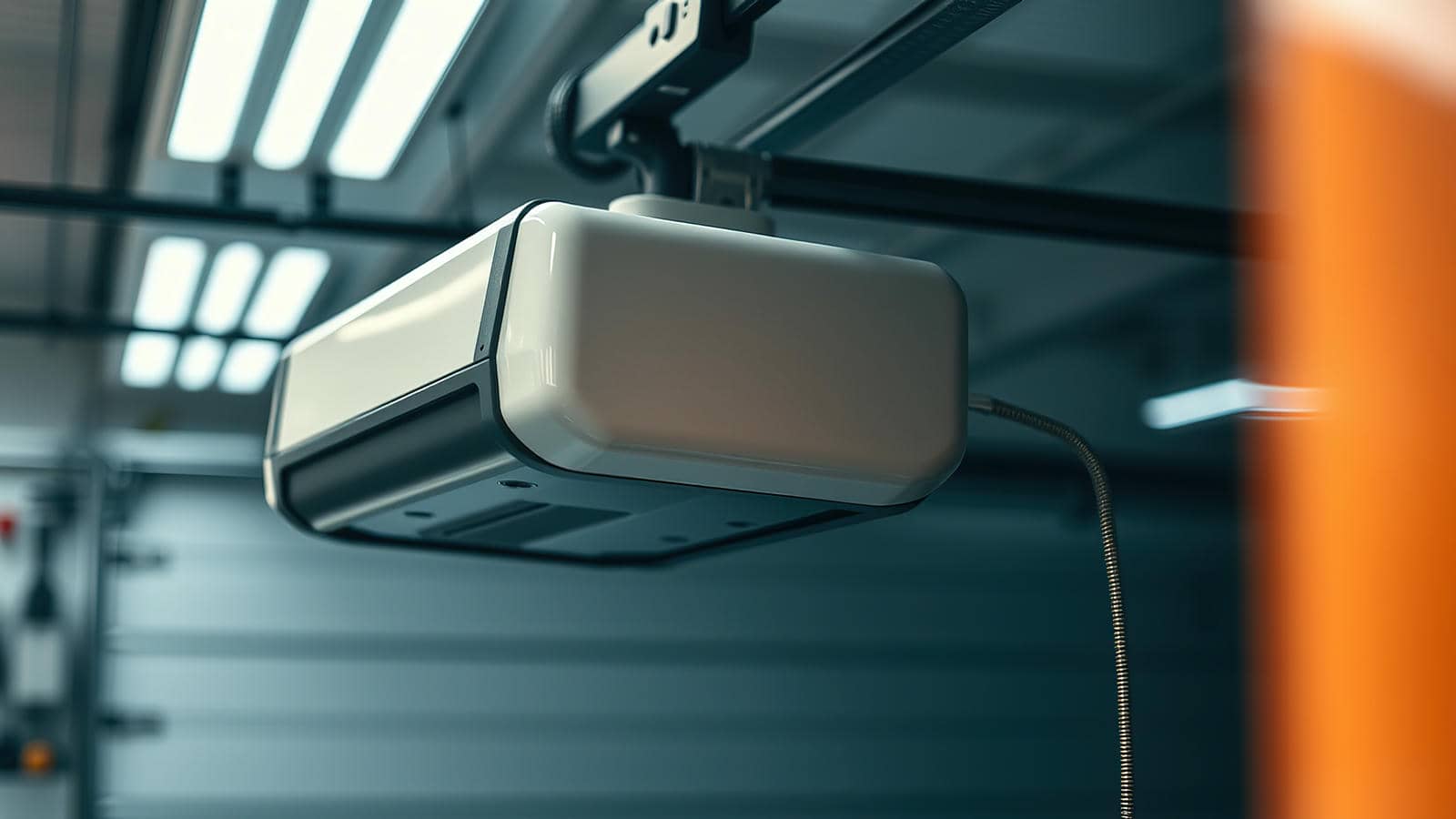
If your garage door opener isn’t functioning properly, it can be frustrating and inconvenient. You might notice unusual noises, inconsistent movement, or even complete failure to operate. These issues often stem from power supply problems, misaligned safety sensors, or remote control malfunctions. Understanding the root causes can prevent further complications. Let’s explore the common signs of garage door opener issues and how to address them effectively.
Key Takeaways
- Unusual noises like grinding or squeaking may indicate wear in the gear or motor of the garage door opener.
- Inconsistent door movement or failure to respond suggests potential issues with the remote or power supply.
- Misaligned safety sensors or obstructions can prevent the garage door from operating smoothly.
- Outdated garage door openers, especially those over ten years old, may struggle with efficiency and reliability.
- Regular maintenance, including lubrication and inspections, can prevent malfunctions and ensure smooth operation.
Common Signs of Garage Door Opener Issues
When your garage door opener starts malfunctioning, you might notice several telltale signs that indicate a problem. One of the first indicators is unusual door noises, such as grinding, squeaking, or rattling sounds. These noises often suggest that the opener’s gears or motor are wearing down and need attention.
Additionally, consider the opener’s age; if it’s over a decade old, it may struggle to function efficiently. You may also experience inconsistent door movement, where the door opens or closes sporadically or fails to respond to remote commands altogether.
Another sign is if the door reverses unexpectedly mid-operation, which could be a safety feature indicating a malfunction. Regularly monitoring these signs can help you address issues early, ensuring your garage door remains functional and secure within your home.
Understanding these symptoms fosters a sense of community among homeowners who face similar challenges.
Inspecting Power Supply and Connections
To ensure your garage door opener functions properly, start by inspecting the power supply and connections, as these are often the root cause of malfunctions. Check if the power source is active; a blown fuse or tripped circuit breaker can disrupt functionality. Confirm the outlet is working by plugging in another device.
Next, evaluate connection integrity. Loose or corroded wiring connections can lead to intermittent issues. Look for any visible damage to the wires, and tighten connections as needed.
| Component | Inspection Tips | Possible Issues |
|---|---|---|
| Power Source | Test the outlet with another device | Blown fuse, tripped breaker |
| Wiring Connections | Check for loose or corroded wires | Intermittent operation |
| Garage Opener Unit | Inspect for signs of wear or damage | Malfunctioning components |
| Circuit Board | Look for burns or shorts | Complete failure |
Checking the Remote Control Functionality
How do you know if your remote control is functioning properly? Start by checking a few key aspects that might be causing the issue.
Verify the remote battery is fresh; consider a remote battery replacement if it’s been a while since the last change.
Test the remote from various distances and angles to rule out remote signal interference.
Look for physical damage or debris that might obstruct the remote’s functionality.
If you’re still having trouble, it could be time to reprogram the remote or consult the user manual.
Remember, a properly functioning remote is essential for easy access to your garage. Taking these simple steps can save you time and ensure you’re not left stranded outside.
If problems persist, it might be best to seek professional assistance to avoid any further complications.
Examining the Safety Sensors
Safety sensors are vital components in your garage door opener system, ensuring safe operation by preventing accidents. If your garage door isn’t functioning correctly, it’s important to examine these sensors first.
Check for proper sensor alignment; misaligned sensors can cause the door to reverse unexpectedly or fail to close. You should verify that both sensors face each other directly, as even a slight angle can disrupt their functionality.
Next, look for any sensor obstruction. Dirt, debris, or even spider webs can block the sensors’ signal. Wipe the lenses with a soft cloth to remove any buildup.
If you still experience issues after aligning the sensors and clearing obstructions, consider testing the sensors with the door control. By maintaining your sensors, you help ensure your garage door operates smoothly, enhancing safety for you and your family.
Assessing the Garage Door Tracks and Rollers
To ensure your garage door operates smoothly, check the alignment of the tracks and the condition of the rollers.
Misaligned tracks can cause the door to jam or become unresponsive, while worn rollers may lead to grinding noises and inefficient movement.
Regularly inspecting these components can prevent further malfunctions and extend the lifespan of your garage door system.
Track Alignment Issues
When evaluating the garage door tracks and rollers, it’s essential to ensure proper alignment, as misaligned components can impede the door’s operation and lead to additional mechanical issues.
You should regularly inspect the tracks for any bends or obstructions that might affect functionality. Misalignment causes can include temperature changes, loose hardware, or previous impacts.
Here are some effective track adjustment techniques:
- Check for bends: Inspect tracks for any visible deformities.
- Tighten hardware: Confirm all screws and bolts are secure to prevent movement.
- Realign tracks: Slightly loosen the mounting brackets, adjust the track position, and then re-tighten.
Roller Wear and Tear
Misaligned tracks can exacerbate issues with roller wear and tear, making it crucial to evaluate the condition of your garage door rollers regularly.
Start by inspecting the rollers for signs of damage, such as cracks or chips. If you notice excessive wear, it’s time to contemplate replacing rollers.
Regular roller maintenance tips include lubricating them with a silicone-based spray to reduce friction and prolong their life.
Check the tracks for dirt or debris, as these can impede roller movement and lead to further complications.
Keeping your rollers in top shape ensures smooth operation and enhances the longevity of your garage door system.
Don’t wait until problems arise—stay proactive for a reliable, functional garage door.
Evaluating the Opener’s Gear and Motor
When evaluating your garage door opener, check for gear wear and tear, as this can greatly affect performance.
Additionally, monitor the motor for overheating issues, which may indicate underlying problems.
Regular lubrication and maintenance are essential to ensuring the longevity and efficiency of these components.
Gear Wear and Tear
Often, the gears and motor of your garage door opener are the first components to show signs of wear and tear. Regular evaluation is essential to ensure smooth operation.
If you notice grinding noises or sluggish performance, it might be time for gear replacement.
Here are some maintenance tips to help prolong the life of your opener:
- Inspect gears regularly for signs of wear or damage.
- Lubricate moving parts to reduce friction and prevent further wear.
- Replace worn gears promptly to avoid more extensive damage to the motor.
Motor Overheating Issues
Motor overheating can lead to significant performance issues in your garage door opener, especially if the gears and motor aren’t functioning properly.
Frequent overheating might indicate that the motor cooling system is malfunctioning. Check for adequate airflow around the motor and ensure that any vents are unobstructed.
Additionally, verify whether the thermal protection feature is activating correctly; this safety mechanism should shut the motor off if temperatures rise too high. If the thermal protection isn’t engaging, it may cause further damage to the motor.
Regularly inspect the motor and gears for signs of wear or damage. Addressing these issues promptly can prevent more costly repairs and keep your garage door functioning smoothly, ensuring your peace of mind.
Lubrication and Maintenance Needs
Overheating isn’t the only factor affecting your garage door opener’s performance; proper lubrication and maintenance play an essential role in ensuring smooth operation.
Regularly applying lubrication techniques to the opener’s gear and motor will reduce friction and extend its lifespan. Establishing a consistent maintenance schedule can prevent potential issues before they escalate.
Consider the following tips for effective maintenance:
- Use silicone-based lubricant for gears and rollers.
- Inspect and clean the opener’s motor housing to prevent dust buildup.
- Check and tighten any loose screws or bolts.
Troubleshooting Remote Programming Problems
When your garage door opener refuses to respond to its remote, it can be frustrating, but troubleshooting remote programming problems is often straightforward.
First, check the battery in your remote; a weak battery can cause communication issues. Next, verify that you’re using the correct remote code for your opener model. This information is usually found in the user manual or on the manufacturer’s website.
To reprogram your remote, follow these programming steps: press the “learn” button on the opener until the indicator light blinks, then press the desired button on your remote. If the light turns off, the pairing is successful. If it doesn’t, repeat the steps, ensuring you’re within range.
Lastly, check for interference from other devices, which can disrupt the signal.
Identifying Misalignment in the Door
After addressing remote programming issues, you might encounter another problem: misalignment in the garage door. Misalignment can cause your door to function improperly and may even damage the opener.
To identify misalignment, perform the following checks:
- Inspect the hinges for any signs of wear or damage.
- Check the door balance by manually lifting the door halfway; it should stay in place without dropping or rising.
- Look for gaps between the door and the frame when closed.
If you notice any discrepancies during your hinge inspection or if the door isn’t balanced, it’s essential to address these issues promptly.
Misalignment can lead to further complications, affecting the overall functionality of your garage door system. Taking the time to identify and resolve these concerns will enhance your door’s performance and increase its lifespan.
When to Seek Professional Assistance
How do you know when it’s time to call in a professional for your garage door issues? If you’ve tried basic troubleshooting—such as checking the remote batteries or ensuring the tracks are clear—and the problem persists, it’s time for a professional evaluation.
Signs that you need expert repairs include unusual noises, incomplete opening or closing, and visible damage to the door or mechanism. Don’t overlook safety concerns; if your door isn’t responding to commands or reversing unexpectedly, this could indicate a serious malfunction.
Additionally, if the garage door opener itself is outdated or has malfunctioned repeatedly, consider consulting an expert. They can offer insights on whether repairs are feasible or if a replacement is necessary.
Relying on professionals ensures the job is done correctly and gives you peace of mind, knowing you’re part of a community that values safety and reliability.
Frequently Asked Questions
Can Weather Conditions Affect My Garage Door Opener’s Performance?
Yes, weather conditions can definitely affect your garage door opener’s performance. Temperature extremes can cause mechanical parts to expand or contract, while high humidity levels may lead to rust or electrical issues, impairing functionality.
How Often Should I Perform Maintenance on My Garage Door Opener?
Think of your garage door opener like a car; regular maintenance keeps it running smoothly. Follow a maintenance checklist every six months to catch common issues early and ensure reliable operation for years to come.
What Type of Lubricant Is Best for Garage Door Components?
For garage door components, use silicone spray for hinges and rollers to prevent rust while allowing smooth movement. For tracks and gears, lithium grease offers excellent lubrication, ensuring durability and ideal performance for your garage door system.
Are There Any Safety Features in Modern Garage Door Openers?
Modern garage door openers come equipped with safety sensors and automatic reversal features, ensuring your safety and preventing accidents. You’ll feel secure knowing these technologies protect you, your family, and your belongings every time you operate the door.
How Long Do Garage Door Openers Typically Last Before Needing Replacement?
Most garage door openers last about 10 to 15 years. Watch for replacement signs like unusual noises, inconsistent performance, or frequent malfunctions, as these indicate your garage door’s lifespan is nearing its end.
Final Thoughts
Addressing your garage door opener’s issues promptly can prevent small problems from snowballing into major repairs. Just like a well-oiled machine, your opener needs regular care to function smoothly. Keep an eye on the power supply, safety sensors, and remote controls, and don’t hesitate to call a professional if the problem persists. With proactive maintenance, you can ensure your garage door operates as smoothly as a bird in flight, providing security and convenience for your home.
Recent Posts
Single vs Double Garage Door: Picking the Right Configuration for Your Home
Choosing between a single and double garage door affects more than looks. You need to
Garage Door Financing Options: Pay Over Time Without Surprises
Most of homeowners delay big repairs because of cost, and a new garage door can
Best Time of Year to Replace Garage Door in Michigan
In Michigan, the timing of a garage door replacement can affect everything from labor cost