
Contents
When it comes to garage door issues, the slightest malfunction can feel like a scene from a suspenseful thriller. You’ve likely encountered frustrating problems that impede access to your home. Fortunately, there are straightforward solutions to these common dilemmas. From checking the power source to inspecting the remote, each step plays a vital role in maintaining your garage door’s efficiency. Let’s explore these essential tips to keep your system running smoothly.
Key Takeaways
- Check the power source by ensuring the opener is plugged in and the circuit breaker is not tripped.
- Replace the garage door remote battery and test for functionality or interference.
- Align the photo eyes by adjusting sensors to face each other and clearing any obstructions.
- Lubricate moving parts like rollers and hinges using high-quality silicone spray every six months.
- Tighten loose hardware regularly, inspecting screws, bolts, and hinges for wear and tear.
Check the Power Source
Before diving into more complex repairs, it’s crucial to check the power source. A power outage can easily disrupt your garage door’s functionality.
Start by ensuring that the garage door opener is plugged into a working outlet. If it’s plugged in but still unresponsive, inspect the electrical connections for any signs of damage or corrosion. You might want to reset the circuit breaker as well, as tripped breakers can result in loss of power.
Next, look for any loose wires or damaged plugs that could impede the electrical flow. Sometimes, the issue isn’t just with the opener but could also involve the broader electrical system in your home.
Inspect the Garage Door Remote
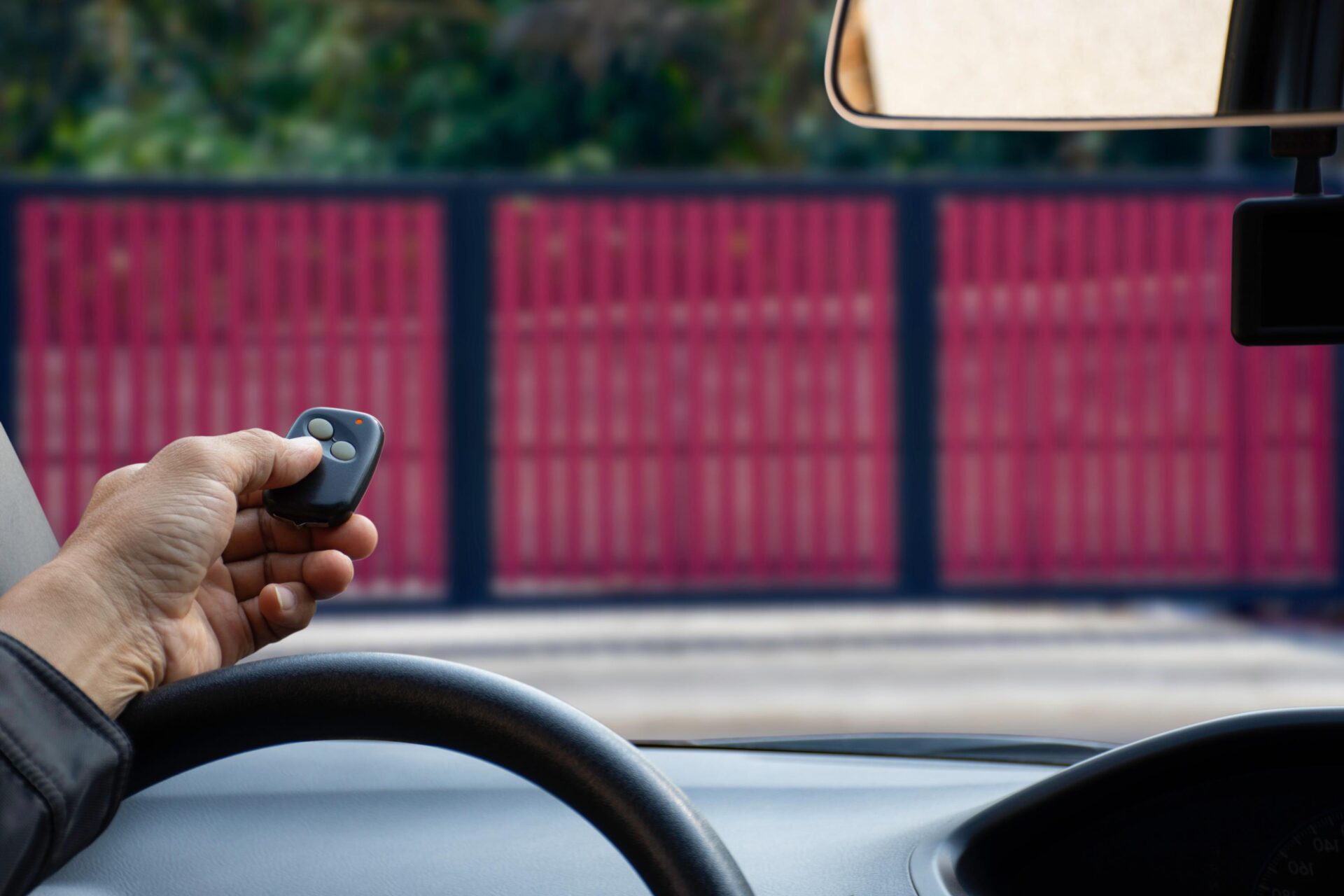
After confirming the power source is intact, the next step is to inspect the garage door remote.
Start by checking the remote battery. If the battery is low or dead, replace it promptly. This often resolves issues with the remote not functioning properly. Once you’ve replaced the battery, test the remote to see if the garage door responds.
If the remote still doesn’t work, consider potential signal interference. Objects like large metal appliances or electronic devices can disrupt the signal between your remote and the garage door opener. Move any obstructive items away from the area and try using the remote again.
Additionally, verify you’re within the effective range when attempting to operate the door.
If you’ve ruled out battery issues and signal interference, it might be time to consult a professional for further diagnosis.
Regular maintenance of your remote can help prevent future problems, ensuring you feel connected to your home.
Align the Photo Eyes
If the garage door isn’t closing properly, misaligned photo eyes could be the culprit. These small sensors are essential for ensuring your door operates safely.
To check photo eye alignment, start by inspecting the sensors located near the bottom of the door tracks. They should face each other directly; if they’re misaligned, the door won’t close. Gently adjust them until they line up perfectly, ensuring the LED lights are lit steadily. If one light is blinking, it indicates misalignment, requiring further adjustment.
As part of your troubleshooting tips, also clear any obstructions in the sensor’s path, like dirt or debris, which could interfere with its function.
Once aligned and cleared, test the door. If it still doesn’t close, you might need to explore other issues, but proper photo eye alignment is a vital step in resolving many garage door problems.
Lubricate Moving Parts
When you notice your garage door making unusual noises or operating sluggishly, it’s often a sign that the moving parts need lubrication. Regular garage door maintenance involves applying the correct lubrication techniques to ensure smooth operation.
Start by disconnecting the door opener for safety. Use a high-quality silicone spray or lithium grease on the rollers, hinges, and tracks. Avoid using WD-40, as it’s not a long-term solution.
Apply lubricant evenly, making sure it penetrates the moving parts. Wipe off any excess to prevent dirt accumulation, which could hinder functionality.
For the springs, a light spray can help reduce friction, but be cautious—these are under high tension. Perform this lubrication every six months to maintain peak performance and prolong the life of your garage door.
Tighten Loose Hardware
Tightening loose hardware is essential for ensuring your garage door operates safely and effectively. Regular hardware maintenance prolongs the life of your door and ensures proper garage door alignment. Check the hinges, bolts, and screws, as they can loosen over time due to wear and tear.
Here’s a quick reference table to help guide you through the process:
| Component | Tools Needed | Frequency |
|---|---|---|
| Hinges | Wrench, Lubricant | Every 6 months |
| Bolts | Socket Set | Every 6 months |
| Screws | Screwdriver | Every 3 months |
| Tracks | Level, Wrench | Monthly |
| Rollers | Lubricant, Wrench | Every 6 months |
Test the Safety Features
How often do you think about the safety features of your garage door? It’s essential to ensure that these components function properly to protect you and your family.
Start by testing the safety sensors. When the garage door is closing, place an object, like a cardboard box, underneath it. The door should reverse immediately upon contact. If it doesn’t, you might need to clean the sensors or adjust their alignment.
Next, familiarize yourself with the emergency release mechanism. This feature allows you to manually open the door in case of power failure or malfunction. Pull the release cord, usually located near the top of the door, and check if it disengages smoothly.
Regularly testing these safety features enhances your garage’s functionality and provides peace of mind. Remember, a well-maintained garage door is a safe garage door.
Replace Worn or Damaged Components
Over time, components of your garage door can wear out or become damaged, leading to potential safety hazards and operational issues.
It’s essential to identify these worn parts and replace them promptly. Start by inspecting components such as springs, cables, and rollers, as they often endure the most stress.
When choosing replacement options, make sure you prioritize component compatibility with your existing system. Mismatched parts can cause further damage and affect performance.
You can find various quality replacement parts at local hardware stores or online.
Don’t hesitate to consult your garage door’s manual for specifications on compatible components.
If you’re uncertain about the installation process, consider enlisting the help of a professional to ensure proper setup and safety.
Taking these steps will enhance your garage door’s functionality and contribute to the overall safety of your home.
Wrap-Up
By following these tips, you can effectively address common garage door issues and ensure your system runs smoothly. Regular checks and minor adjustments can save you time and money in the long run. Keep your garage door in top shape, and you’ll enhance its longevity and reliability. Remember, a well-maintained garage door functions better and contributes to your home’s safety.
Recent Posts
Why Choose Top Garage Door Installation Experts?
Did you know that a poorly installed garage door can lead to safety hazards and
7 Tips for Choosing Top Garage Door Installers
Selecting the right garage door installer can greatly impact your home’s security and curb appeal,
Why Follow This Garage Door Installation Guide?
When installing a garage door, a small mistake like misaligning the tracks can lead to