
Contents
A glass garage door can give you a clean, modern look and bring more daylight into the space, but you’re also taking on higher costs, less insulation, and more attention to privacy and upkeep. The right choice depends on your climate, security needs, and how much maintenance you’re willing to manage. Before you commit, it helps to look closely at the tradeoffs that shape whether this upgrade works or becomes a hassle.
Key Takeaways
- Glass garage doors create a modern, light-filled look that boosts curb appeal and improves visibility inside the garage.
- Installation costs are usually $3,000 to $10,000+, depending on size, frame material, glass type, and customization.
- They offer lower insulation performance than solid doors, so climate, wind, and energy-efficiency needs matter.
- Privacy and security require careful choices, such as frosted or tinted glass, access controls, and thoughtful interior storage.
- Proper installation, weather sealing, and routine maintenance are essential to prevent leaks, sticking, and premature wear.
What Sets Glass Garage Doors Apart?
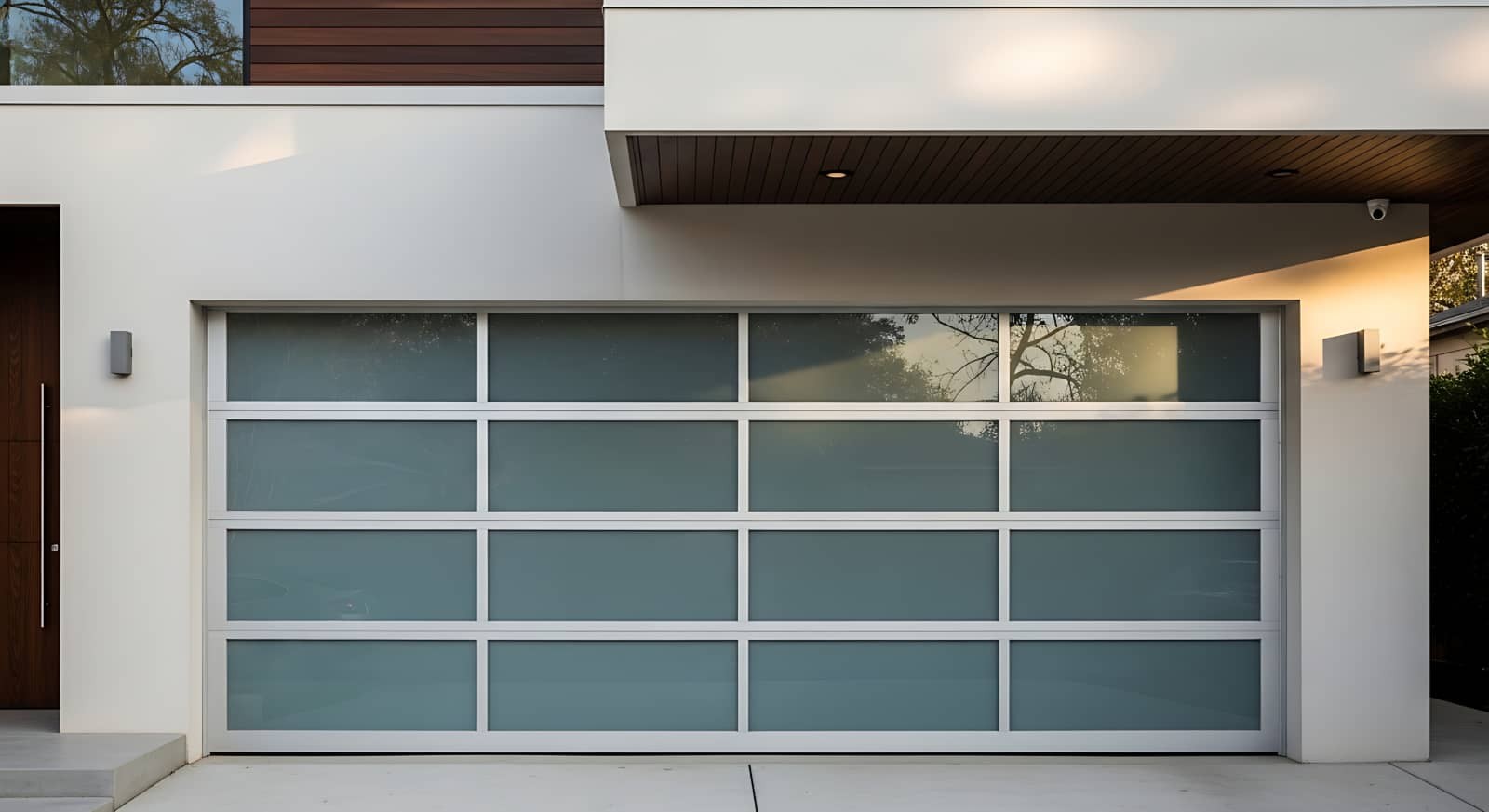
Glass garage doors stand out because they replace solid panels with framed glass, creating a modern look and letting more natural light into the garage. You get a clean, contemporary profile that can help your home feel connected to the neighborhood’s newer designs.
During glass garage door installation, you choose frame material, glass type, and panel layout to match your space and daily use. Tempered glass adds strength, while frosted or tinted options reduce visibility without losing brightness.
These doors also change how you use the garage, since daylight improves task visibility and makes the room feel less closed off. If you want a polished, welcoming exterior that fits a modern community, this door style delivers a distinct, practical upgrade.
How Much Does a Glass Garage Door Cost?
Pricing can vary widely based on size, frame material, glass type, and installation complexity. You’ll usually see installed costs start around $3,000 and climb past $10,000 for premium systems.
If you want the best fit for your home and budget, compare these four drivers:
- Door size and opening width
- Aluminum, steel, or wood-look framing
- Tempered, insulated, tinted, or frosted glass
- Motor upgrades, track changes, and labor
You’ll pay more for custom dimensions and clean architectural lines, but you also get a door that feels intentional and modern.
Ask for itemized quotes so you can see where every dollar goes. That helps you join the right tier of quality without overspending.
Will a Glass Garage Door Work in Your Climate?
Your climate can make or break a glass garage door’s performance, especially if you face hot summers, cold winters, strong winds, or big temperature swings.
You’ll get the best results with insulated, tempered, or laminated panels that match your region’s load and thermal demands. In cold areas, look for low U-values and tight weather seals to cut heat loss.
In hot climates, choose solar-control glass and frames that resist expansion. If you live where storms hit hard, verify wind ratings and impact options before you commit.
You can still enjoy the clean, modern look when the door is properly specified and installed. Work with a local pro who knows your code, climate, and home style, so you end up with a door that fits your neighborhood.
How Much Privacy and Security Do You Need?
How much visibility can you live with? In a glass garage door setup, you’re trading enclosure for openness, so define your privacy baseline before you commit.
If your garage faces the street, neighbors, or a busy sidewalk, you’ll notice every interior object. Security matters too: a clear panel doesn’t make intrusion easy by itself, but it can advertise tools, vehicles, and routines.
- Decide who can see inside.
- Decide what must stay hidden.
- Decide whether a sightline raises theft risk.
- Decide if you’re comfortable adding access controls.
If you want a modern look and still want to fit in, be honest about daily use. The right choice supports your lifestyle without making you feel exposed.
How Do You Choose Glass, Frame, and Finish?
Start with the glass itself, because the panel type drives privacy, light, insulation, and maintenance. You can choose clear, frosted, tinted, mirrored, or laminated glass, depending on how much visibility and heat gain you want.
If you need comfort and efficiency, ask for insulated units with low-E coating. Then match the frame to the glass load and your climate: aluminum is sleek and stable, steel feels solid, and composite can reduce thermal transfer.
Pick a finish that belongs with your home’s trim and façade, not just the showroom sample. Matte black reads modern; bronze and white soften the look.
Ask for corrosion-resistant hardware and color-matched seals so the whole assembly looks intentional, works cleanly, and feels like it was made for your house.
What Prep Does Your Garage Need?
Before installation, you’ll need to verify that the structural opening is square, level, and sized for the new door.
You should also confirm that power and wiring are in place for the opener and any accessories.
Finally, inspect the weather seal prep so the door closes tightly and keeps out air and moisture.
Structural Opening Check
A glass garage door needs a sound opening, so you’ll want to check the header, side jambs, and floor for square, level, and plumb conditions before installation. Measure both diagonals; if they match, your opening is close to square.
Then confirm the header isn’t sagging and the jambs don’t bow inward. Small errors matter more with glass, because frame alignment affects seal quality and panel tracking.
- Check width at top, middle, and bottom.
- Check height on both sides.
- Verify the floor is flat at the threshold.
- Inspect framing for rot, cracks, or loose fasteners.
If you find movement or damage, repair it first. You’ll get a cleaner install, better performance, and the confident fit your garage deserves.
Power And Wiring
Glass garage doors often need more electrical planning than a standard manual door, especially if you’re adding an opener, wall controls, safety sensors, or integrated lighting.
You’ll want a dedicated circuit, a grounded outlet near the opener, and clean routing for low-voltage control wiring. Plan where the opener mounts so cords don’t hang across the track or interfere with panels.
If your garage already has power, confirm that the circuit can handle the load and that a licensed electrician can add anything missing.
Keep conduit, junction boxes, and wall switches accessible after the installation. A tidy layout makes your setup safer, easier to service, and ready for the modern look you’re going for.
Weather Seal Prep
Weather sealing starts with a flat, clean opening, so you’ll want to inspect the jambs, threshold, and floor for rot, cracks, or uneven spots before installation. You’re building a tight fit that keeps your garage aligned with the rest of the home, so small defects matter.
Scrape old caulk, remove loose paint, and shim low areas before you set the door. Then check these items:
- Replace damaged wood or trim.
- Level the sill and side jambs.
- Seal gaps with exterior-grade caulk.
- Confirm the bottom seal compresses evenly.
If your opening isn’t square, the glass panels can bind, leak, or wear hardware early.
Take time here, and you’ll get cleaner operation, better comfort, and a more polished result that fits your space.
How Do You Maintain a Glass Garage Door?
You should clean the glass regularly with a non-abrasive cleaner and a microfiber cloth to prevent streaks and surface damage.
Check the seals for cracks or gaps, and replace them if you see wear that could let in moisture or drafts.
Keep the tracks clear of dirt and debris, and lubricate the moving parts as needed so the door opens smoothly.
Regular Cleaning
Regular cleaning keeps a glass garage door looking sharp and helps prevent buildup that can scratch or dull the panels. You can keep the finish clear and consistent with a simple routine that fits your space and schedule.
Use a soft microfiber cloth, a pH-neutral glass cleaner, and clean water to avoid residue. Work in shade so the solution doesn’t dry too fast.
- Rinse loose dust first.
- Spray cleaner lightly on the cloth, not the panel.
- Wipe from top to bottom in overlapping passes.
- Dry with a clean, lint-free towel.
If you clean regularly, you’ll keep your door looking polished and stay in step with neighbors who value a well-kept home.
Seal And Track Care
Seal and track care keeps a glass garage door operating smoothly and helps prevent air leaks, water intrusion, and uneven movement.
You should inspect weatherstripping, bottom seals, and side seals every few months for cracks, shrinkage, or gaps. Replace worn parts quickly so your home stays tighter and your door group’s shared look stays sharp.
Clean tracks with a dry cloth or vacuum, then remove grit that can bind rollers. Don’t grease the tracks; instead, apply a silicone-based lubricant to rollers, hinges, and bearings.
Check that tracks stay plumb and free of dents. Tighten loose brackets and fasteners, but don’t overtighten.
If the door drags, sticks, or rattles, stop and call a technician. Small adjustments protect the glass and extend service life.
Is a Glass Garage Door Worth It for You?
A glass garage door can be worth it if you value a modern look and stronger curb appeal, but it isn’t the best choice for every home. You should weigh daily use, climate, and privacy before you commit.
If your garage doubles as a workspace or social zone, the bright, open feel can help you fit in with a contemporary neighborhood.
- Insulation needs: expect lower thermal performance.
- Privacy needs: choose frosted or tinted panels.
- Maintenance load: clean glass and tracks often.
- Budget: pay more upfront than for steel.
If you want style with clear tradeoffs, it can make sense. If you need maximum efficiency, choose a different door.
Frequently Asked Questions
Can Glass Garage Doors Be Insulated for Energy Efficiency?
Yes, you can insulate glass garage doors with double-pane, low-E glass, thermal breaks, and insulated frames. You’ll improve efficiency, but you won’t match solid doors. Choose quality weatherstripping and proper installation for best results.
Are Glass Garage Doors Safe During Storms and Impacts?
Yes—if you choose tempered or laminated glass, reinforced frames, and storm-rated hardware, you’ll improve safety. Still, you should expect breakage risk in severe impacts; add impact film, secure seals, and routine inspections for better protection.
Do Glass Garage Doors Need Special Opener Hardware?
Usually, you don’t need special opener hardware, but you do need an opener matched to the door’s weight, balance, and track setup. Check the manufacturer’s specs, and upgrade the rail or spring system if needed.
How Long Does Glass Garage Door Installation Usually Take?
You’ll usually need 4 to 8 hours for a standard glass garage door installation, and a full-day project if framing, wiring, or opener adjustments are needed. Complex custom jobs can take longer.
Can You Customize Glass Garage Doors With Smart Features?
Yes, you can add smart openers, app control, sensors, and voice integration. You’ll get remote access, alerts, and scheduling, but make sure your installer supports your system and verifies safety, compatibility, and reliable connectivity.
Final Thoughts
A glass garage door can transform your home like a window wall transforms a room: brighter, cleaner, and more modern. But you’ve got to balance that style against cost, insulation, privacy, and upkeep. If your climate is mild, your budget is solid, and you’re comfortable with regular maintenance, it can be a smart upgrade. If not, a more insulated option may fit your needs better and save you trouble over time.
Recent Posts
Garage Door Warranty Comparison: What Coverage Actually Matters
When you compare garage door warranties, the real question isn’t which one sounds longest, but
Steel vs Wood Garage Doors: A Head-to-Head Comparison
If you think garage door material is just a style choice, it isn’t. You’re also
Single vs Double Garage Door: Picking the Right Configuration for Your Home
Choosing between a single and double garage door affects more than looks. You need to