
Contents
You might find it interesting that many homeowners face similar garage door problems around the same time of year. These common malfunctions can often be fixed, especially if you know what to look for. Understanding the root causes of these problems is essential. So, what minor fixes can you tackle yourself, and when should you consider reaching out for professional help? Let’s explore the solutions that can keep your garage door functioning smoothly.
Key Takeaways
- Many common garage door problems, like misalignment and minor electrical issues, can be fixed with simple DIY adjustments and inspections.
- Faulty springs, often responsible for movement issues, can be repaired or replaced, restoring door functionality.
- Regular maintenance, such as lubrication and hardware tightening, can prevent many common problems from occurring.
- Systematic assessments of tracks, springs, and openers can identify fixable issues before they worsen.
- For persistent or serious problems, professional help ensures accurate diagnosis and safe repairs, making them fixable.
Common Garage Door Malfunctions
When your garage door suddenly stops functioning, it can be both frustrating and inconvenient. You might find that the garage door opener isn’t responding, leaving you stranded.
One common issue is the garage door opener malfunctioning due to electrical problems or misalignment. Another frequent culprit is faulty springs. Over time, these springs can wear out or break, preventing the door from opening or closing smoothly.
If you notice your door moving unevenly or making unusual noises, it could be a sign of spring issues. Regularly inspecting these components can help you catch problems early, ensuring your garage door operates reliably.
Identifying the Root Causes
To effectively identify the root causes of garage door problems, you need to conduct a systematic assessment of both the mechanical and electrical components.
Implementing root cause analysis is vital in this process. Utilize various troubleshooting techniques to pinpoint issues accurately.
Here are some key areas to focus on:
- Check the springs: Assess for wear or breakage, as they’re essential for door movement.
- Inspect the tracks: Look for misalignment or debris that may obstruct the door’s path.
- Examine the opener: Test the remote and wall switch to verify they’re functioning properly.
- Evaluate the sensors: Confirm they’re clean and aligned, as misalignment can prevent the door from closing.
DIY Solutions for Minor Issues
While minor garage door issues can be frustrating, many can be resolved with simple DIY solutions.
Start by checking for track alignment. If your door isn’t opening or closing smoothly, the tracks may be misaligned. Loosen the screws holding the track, adjust it so it’s straight, and then re-tighten the screws. This should help the door operate more effectively.
Next, consider spring adjustment. If your garage door feels heavy or won’t lift, the springs may need tension. Use a winding bar to adjust the tension on the torsion springs, but remember to follow safety protocols, as these can be dangerous.
If you have extension springs, you can adjust them by adding or removing links.
These DIY fixes can enhance your garage door’s performance, providing you with a sense of accomplishment and reliability in your home.
When to Call a Professional
Recognizing the limits of your DIY skills is essential for maintaining a functioning garage door. While tackling minor issues can be fulfilling, some problems require a professional assessment to ensure safety and proper functionality.
Here are situations when you should definitely call a professional:
- Persistent malfunction: If your garage door won’t open or close consistently.
- Unusual noises: Grinding or screeching sounds can indicate serious issues.
- Visible damage: Cracks, dents, or warping in the door or tracks.
- Safety concerns: If the door operates erratically or poses a risk to people or pets.
In these cases, a professional can diagnose the problem accurately and provide solutions that ensure your garage door operates smoothly.
Don’t hesitate to reach out; prioritizing safety and efficiency is key to maintaining your home’s integrity.
Preventative Maintenance Tips
Taking proactive steps can considerably reduce the likelihood of encountering major garage door issues. Regular maintenance enhances the longevity of your door and fosters a sense of community among homeowners. Here are some essential tips:
| Task | Frequency | Benefits |
|---|---|---|
| Inspect weather stripping | Every 6 months | Prevents drafts and moisture |
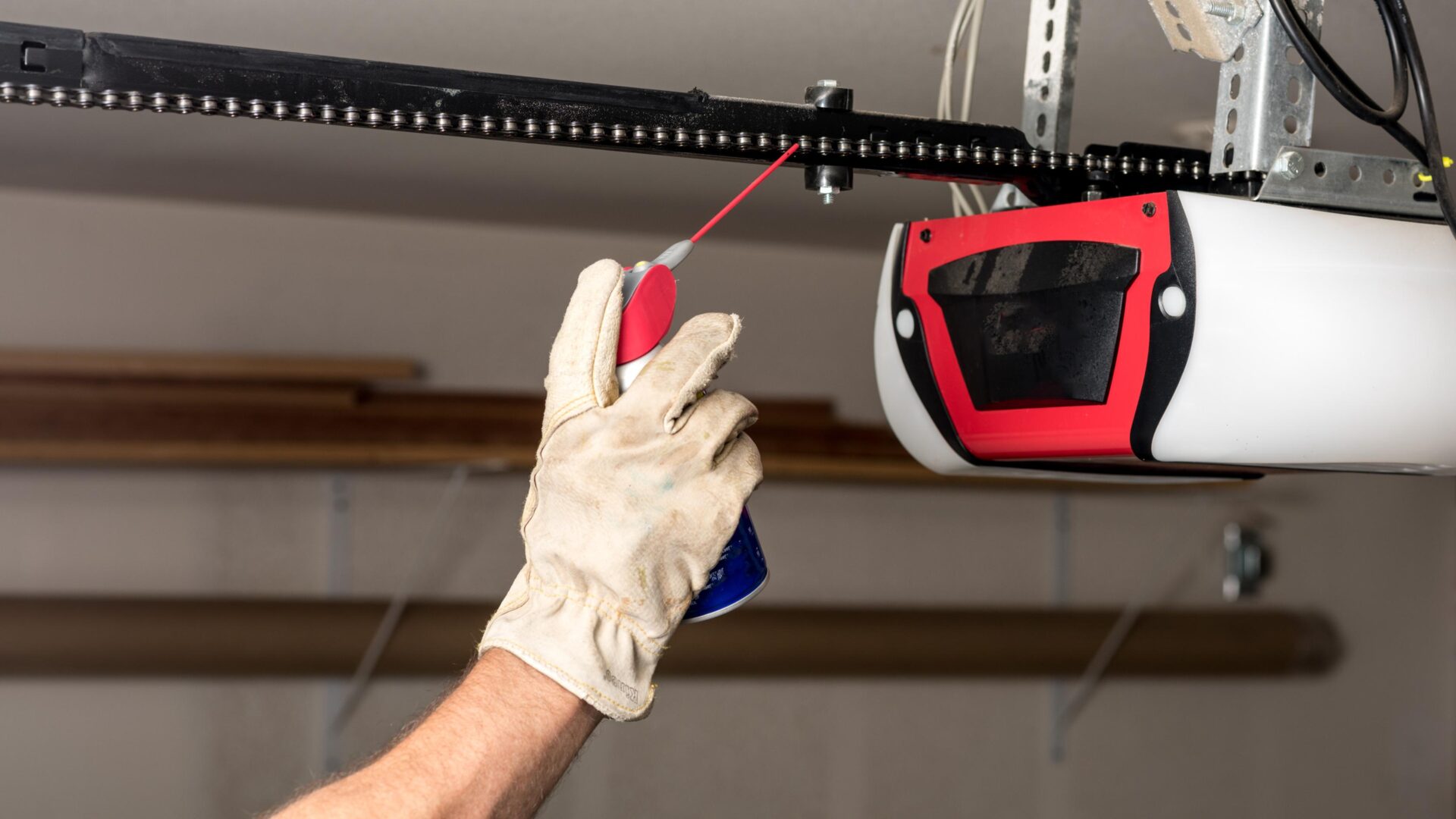
| Apply lubrication techniques | Every 3 months | Ensures smooth operation |
| Tighten hardware | Every 6 months | Prevents misalignment |
| Test safety features | Monthly | Ensures family safety |
Final Thoughts
Many common garage door problems are indeed fixable with a little know-how. For instance, if your garage door suddenly stops responding, it might just need a simple adjustment of the track alignment. By addressing minor issues promptly and practicing regular maintenance, you can extend the life of your garage door. However, don’t hesitate to call a professional for persistent problems, as safety should always be the top priority when dealing with heavy machinery.
Recent Posts
10 DIY Garage Door Opener Troubleshooting Tips
A malfunctioning garage door opener can be a frustrating experience, especially when you need to
Why Is My Garage Door Opener Malfunctioning?
If your garage door opener isn’t functioning properly, it can be frustrating and inconvenient. You
Enviromental Door | Reliable & Durable Commercial Garage Doors in Grandville
Enviromental Door proudly serves the Grandville area with a detailed range of commercial garage doors