
Contents
If your garage door quits, your whole day can go sideways fast. You can keep that from happening by following a simple maintenance checklist: inspect tracks and rollers, test the safety sensors and auto-reverse, lubricate moving parts, tighten hardware, check balance and opener performance, and watch for rust, uneven movement, or other damage. Miss one step, and a small issue can turn into a costly repair.
Key Takeaways
- Shut off opener power, clear the area, and inspect the door fully closed before starting maintenance.
- Check tracks, rollers, hinges, cables, and brackets for wear, damage, misalignment, or loose hardware.
- Test safety sensors and the auto-reverse system monthly, then clean and realign sensors if needed.
- Lubricate moving parts with silicone or lithium garage-door lubricant, avoiding heavy grease or excess oil.
- Stop using the door if you notice scraping, rust, frayed cables, or uneven movement, and schedule repairs.
Garage Door Maintenance Checklist: Tools, Timing, and Safety
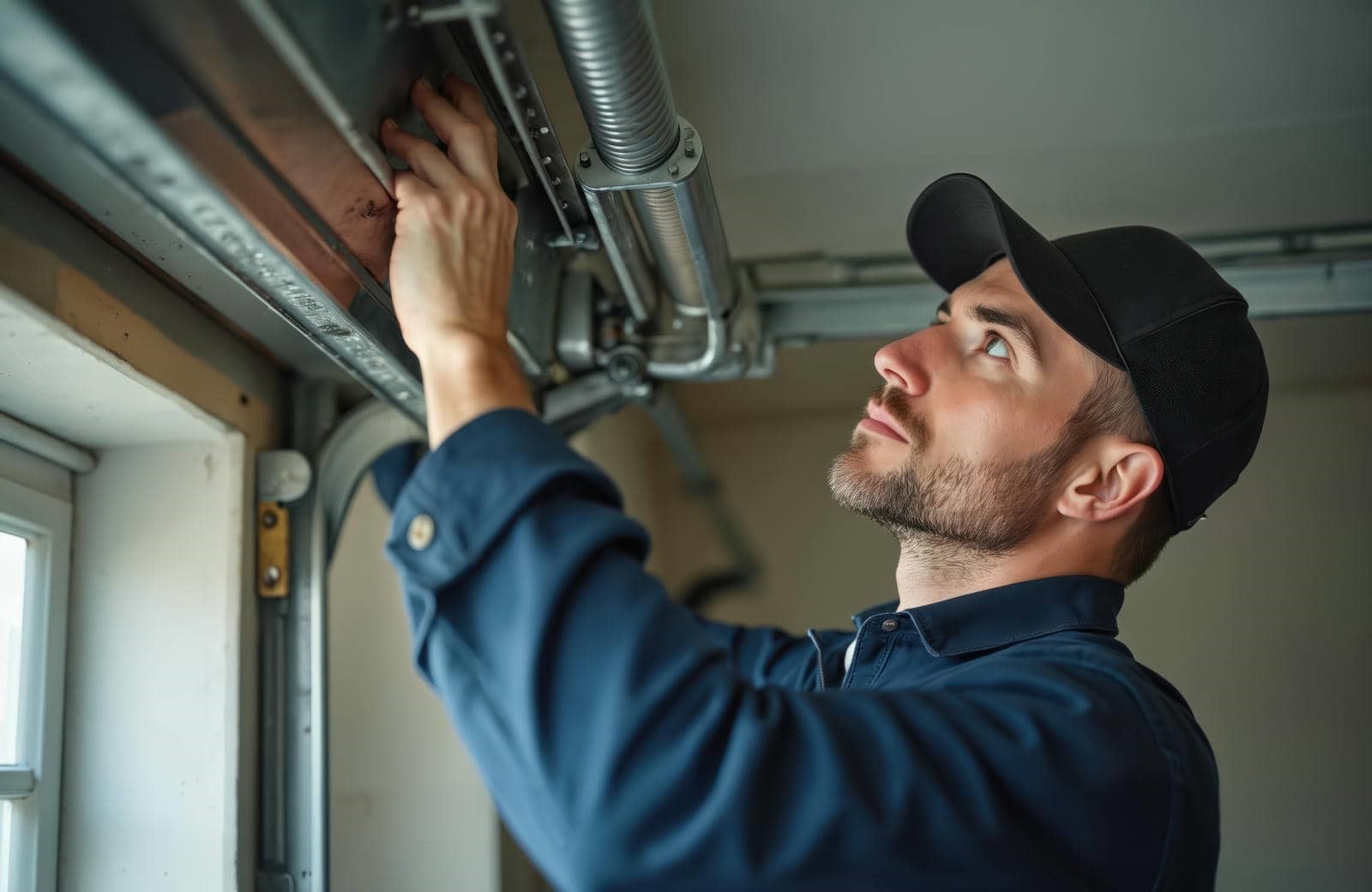
Before you start, gather a few basic tools, including a step ladder, microfiber cloth, mild cleaner, socket wrench, and garage door lubricant. Then shut off power to the opener and inspect the door with the system closed.
This garage door maintenance checklist works best when you follow a set routine every season, or sooner if you notice noise, vibration, or slow response. You’ll fit right in with other homeowners when you check hardware, clean surfaces, and confirm the door opens and closes smoothly.
Keep your work area clear, wear gloves, and never place hands near moving parts. Use the ladder only on level ground, and test the opener after you restore power.
Record each task, so you can spot changes early and protect long-term performance.
Inspect Garage Door Tracks and Rollers
Inspect the tracks for straight, level alignment and tighten any loose mounting hardware you find.
Check each roller for wear, cracking, or binding, and replace damaged rollers before they strain the door.
Clear debris from the tracks and roller paths so the door can move smoothly and stay on load.
Track Alignment Check
A quick track alignment check can catch problems before they wear down your garage door system. Stand inside the garage and sight along each track to confirm both sides run straight, level, and parallel.
Tighten loose mounting brackets, but don’t overtighten and distort the metal. If you notice gaps, bends, or rubbing points, stop and correct the alignment before cycling the door again. Use a level to verify vertical sections and look for consistent spacing from the door edge.
Keep the track surface clean so the door moves freely and your opener doesn’t strain. When everything lines up, your system runs smoother, quieter, and safer.
You’ll protect your investment and keep your home’s entry working like the dependable setup your household counts on day after day.
Roller Wear Inspection
Worn rollers can turn a smooth door into a noisy, dragging one. You should inspect each roller while the door is closed and the opener is disconnected. Look for flat spots, chips, cracks, or wobble in the stem and bearing.
Spin nylon rollers by hand; they should move freely without grinding. Steel rollers may show rust or pitting, and that wear usually means reduced service life. If you see one damaged roller, check the rest, because wear often shows up as a set.
Replace any roller that binds, leans, or leaves black dust on the track. Use the correct size and style for your door, and keep the hardware snug so the system stays stable.
When your rollers are sound, your whole door group gets quieter, safer, and easier to trust.
Debris Removal Routine
Before you inspect the tracks and rollers, clear out dust, leaves, cobwebs, and hardened grease with a dry cloth or vacuum so debris doesn’t mask damage or cause binding. You’ll protect the hardware and keep your door moving smoothly.
Wipe both track channels from top to bottom.
Vacuum roller stems, hinges, and bracket corners.
Check for packed grime near bends, joints, and brackets.
Remove residue with a noncorrosive cleaner, then dry the surface.
Don’t scrape with metal tools; you can nick the track and create drag.
After cleaning, open and close the door by hand if possible and watch for quiet, even travel. If you belong to a neighborhood of careful homeowners, this routine helps you catch issues early and keeps maintenance simple.
Test the Safety Sensors and Auto-Reverse
Test the safety sensors and auto-reverse system each month to make sure the door stops and reverses when it detects an object.
Place a roll of paper towels or a small box in the door’s path, then close it. If the door doesn’t reverse immediately, stop using it and inspect the sensor alignment, wiring, and opener settings.
Clean the sensor lenses with a dry cloth so dust doesn’t block the beam. Confirm both indicator lights stay steady, not blinking.
You want a system your household can trust, because this feature protects kids, pets, and vehicles. If adjustments don’t solve the issue, call a qualified technician.
A working safety system helps your garage stay dependable, and it keeps everyone in the home confident every day.
Lubricate Moving Parts the Right Way
Use a silicone-based or lithium garage-door lubricant on the hinges, rollers, bearings, and springs to reduce friction and wear.
Don’t use grease or heavy oil, since they attract dirt and can slow the door’s movement.
Apply a light coat only to the moving metal parts, then cycle the door to spread it evenly.
Best Lubricants To Use
A few drops of the right lubricant can keep your garage door running quietly and reduce wear on rollers, hinges, springs, and the opener chain or screw.
You’ll get the best results when you choose products made for garage hardware, not general household oils.
Follow this quick set:
- Silicone spray for low-friction, clean operation
- White lithium grease for metal-to-metal contact
- Garage-door lubricant with rust inhibitors
- Dry PTFE spray when you want less residue
Apply only a thin coat so dust won’t stick and buildup won’t slow you down.
Wipe off excess with a clean cloth, then cycle the door a few times to spread it evenly.
When you use the right lube, you’re doing smart upkeep with the rest of your home-maintenance crew.
Key Parts To Lubricate
Start by lubricating the parts that move and rub most: the roller stems, hinges, torsion spring coils, bearing plates, and the opener’s chain or screw drive.
Use a light garage-door lubricant and apply a thin coat only to metal-on-metal contact points. You should wipe away dust first, then spray or brush the product directly onto each pivot, coil, and bearing surface.
Don’t coat the tracks; that can trap grit and slow the door. After you finish, open and close the door several times so the lubricant spreads evenly and the hardware settles into quieter motion.
If you keep up with this step, you’ll protect shared components, reduce strain on the opener, and stay in step with other homeowners who maintain their doors before small wear becomes expensive damage.
Tighten Hardware and Check Door Balance
Give every hinge, roller bracket, track support, and opener mount a quick inspection, then tighten any loose bolts or screws before they cause extra wear or vibration.
You’ll keep the door stable and protect the whole system when you stay methodical. Use this quick routine:
- Close the door fully.
- Manually lift it halfway.
- Release it carefully.
- Watch for drift or binding.
A balanced door should hold position with minimal movement. If it drops or rises, the spring tension likely needs professional adjustment.
Don’t force anything. Check both sides for even hardware and make sure each fastener sits snug, not over-tightened.
When you handle this task regularly, you’re part of the homeowner group that catches problems early and keeps the door running smoothly.
Check the Garage Door Opener
Once the hardware is snug and the door balances properly, check the opener itself for smooth, reliable operation. Use the wall control and remote to confirm the motor starts, the door travels evenly, and the stop position stays consistent.
Listen for grinding, jolting, or delayed response, and note any change in sound from last month. Verify the chain or belt has the tension your model calls for, then inspect the rail for secure mounting.
Test the auto-reverse system by placing a board flat on the floor under the closing door; it should reverse on contact. Check the photo-eye sensors for alignment and clean lenses with a dry cloth.
If the opener hesitates or drifts, tighten settings or schedule service so your garage stays dependable.
Find Warning Signs of Garage Door Damage
Look over the door, tracks, springs, rollers, hinges, cables, and panels for signs of wear or damage before small issues turn into costly repairs.
You can catch trouble early if you watch for uneven movement, scraping sounds, rust, frayed cables, or cracked panels. Stay in your homeowner routine and inspect these points:
- Check track alignment for bends, gaps, or loose brackets.
- Inspect springs for rust, stretching, or visible separation.
- Look at rollers and hinges for flat spots, chips, or stiffness.
- Examine cables and panels for fraying, dents, or warping.
If you spot any of these warnings, stop using the door and schedule service.
Quick action keeps your system safer, smoother, and ready for the rest of the neighborhood’s daily rhythm.
Frequently Asked Questions
How Often Should Garage Door Springs Be Professionally Inspected?
You should have garage door springs professionally inspected at least once a year, and sooner if you notice noise, uneven movement, or wear. Regular checks help you stay safe, avoid breakdowns, and keep everything operating smoothly.
When Should Weatherstripping on a Garage Door Be Replaced?
Replace it when you see cracks, brittleness, gaps, or drafts—don’t wait. If water, dust, or pests slip in, you’re already losing the seal. Renew it every 3–5 years for protection and smoother operation.
Can I Use Any Lubricant on Garage Door Parts?
No, you shouldn’t use just any lubricant on garage door parts. You’ll want a silicone- or lithium-based product, since it reduces wear, won’t attract grime, and keeps your door operating smoothly year-round.
How Do I Clean Garage Door Panels Safely?
Wipe panels with mild soap, warm water, and a soft sponge. You’ll protect paint, avoid scratches, and keep your garage door looking sharp.
What Should I Do if My Garage Door Freezes Shut?
You should never force it open; instead, melt ice at the bottom seal with warm water, clear debris, and dry the threshold. Then, apply silicone lubricant to weatherstripping to help prevent refreezing.
Wrap-Up
By following this checklist, you keep your garage door operating safely and efficiently. You inspect tracks and rollers, test the sensors, lubricate moving parts, tighten hardware, and verify the opener before small issues turn into costly repairs. Regular maintenance also helps you spot rust, uneven movement, or other damage early. Why wait for a breakdown when a few minutes of care can extend your door’s life and protect your home?
Recent Posts
Steel vs Wood Garage Doors: A Head-to-Head Comparison
If you think garage door material is just a style choice, it isn’t. You’re also
Single vs Double Garage Door: Picking the Right Configuration for Your Home
Choosing between a single and double garage door affects more than looks. You need to
Garage Door Financing Options: Pay Over Time Without Surprises
Most of homeowners delay big repairs because of cost, and a new garage door can