
Contents
Like clockwork, a garage door’s springs keep everything in motion. When they malfunction, your smooth operation can turn into a frustrating ordeal. Knowing the differences between torsion and extension springs is vital, along with recognizing signs of wear. Before you start, understanding safety measures and gathering the right tools will set you up for success. Let’s explore the essential techniques that will help you tackle this repair with confidence.
Key Takeaways
- Identify the type of spring (torsion or extension) to apply the correct repair techniques.
- Always disconnect the power and wear protective gear before starting any repair work.
- Use winding bars for safely releasing tension on torsion springs during replacement.
- Ensure accurate measurements of existing springs to select the correct replacements.
- Lubricate new springs with silicone-based spray to enhance longevity and performance.
Understanding Garage Door Spring Types
Garage door springs are essential components that balance the weight of the door, making it easy to open and close. Understanding the types of springs and their functions is vital for ensuring your garage door operates smoothly.
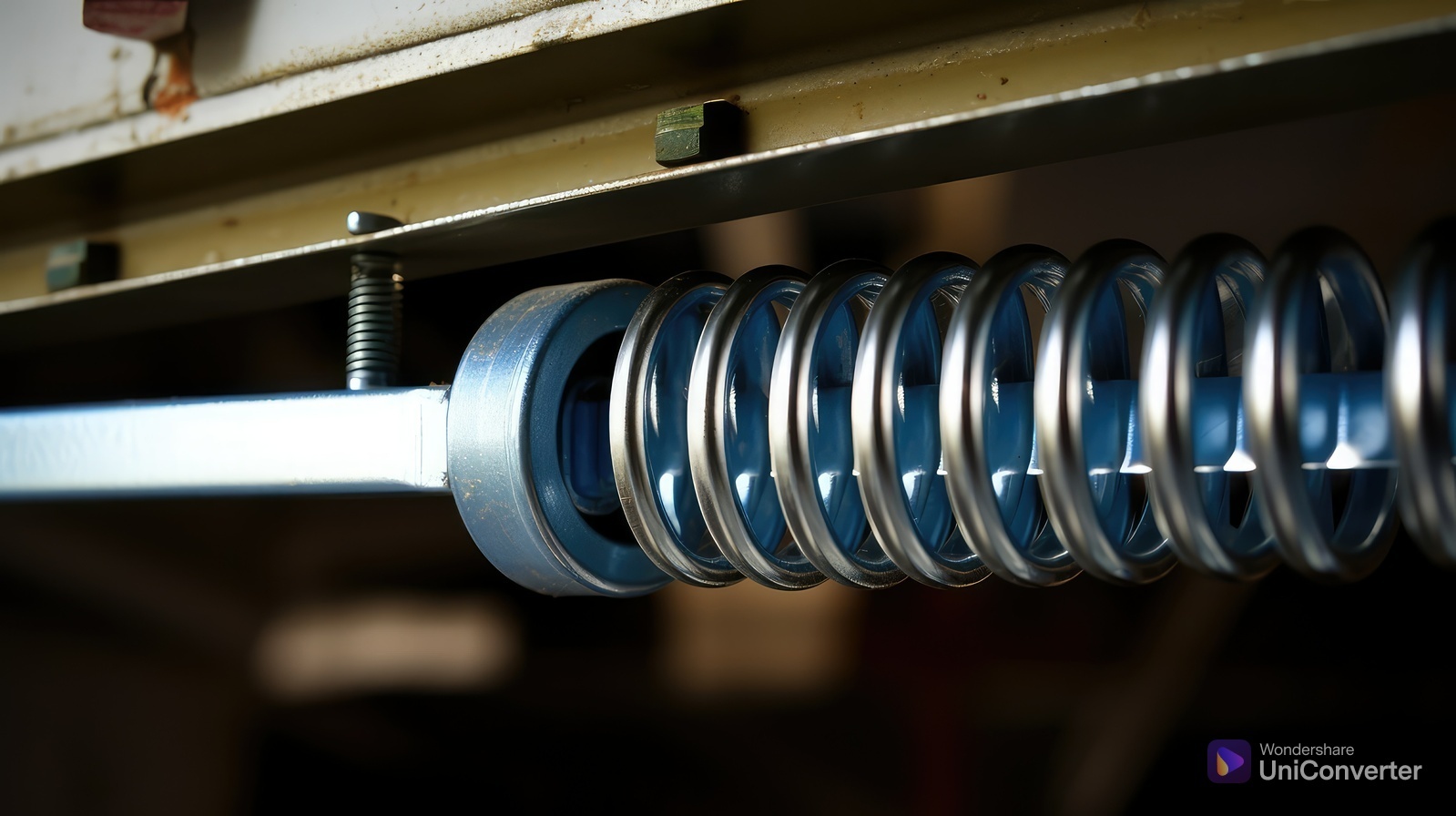
There are two main types: torsion springs and extension springs. Torsion springs are mounted above the door and work by twisting to lift the door. In contrast, extension springs are located on either side and stretch to provide the necessary force.
Both types serve the same fundamental purpose but operate differently, impacting your door’s performance. A proper types overview helps you identify which spring your system uses, aiding in maintenance or repair decisions.
Knowing how these springs function can enhance your confidence in handling garage door issues. By grasping this information, you’ll feel more connected to your home, ensuring that your garage door remains functional and secure for you and your family.
Safety Precautions Before Starting Repair
Before starting any garage door spring repair, it’s essential to wear appropriate protective gear, such as gloves and safety goggles, to shield yourself from potential injuries.
Additionally, always disconnect the power source to prevent accidental activation during the repair process.
Taking these precautions ensures a safer working environment and reduces the risk of accidents.
Wear Protective Gear
When tackling garage door spring repair, it’s important to prioritize your safety by wearing the appropriate protective gear.
Start by putting on safety goggles to shield your eyes from potential flying debris or accidental snaps. These goggles are an essential barrier against injury while you work closely with high-tension springs.
Next, equip yourself with heavy gloves; they’ll protect your hands from sharp edges and provide a better grip, which is critical when handling heavy components.
Remember, the springs are under significant tension, so your safety gear isn’t just optional—it’s imperative.
Disconnect Power Source
Ensuring your safety during garage door spring repair requires one critical step: disconnecting the power source. This essential action safeguards you from electrical hazards while you work.
To achieve power safety, locate the garage door opener and unplug it from the outlet. If your system includes a battery backup, be sure to remove that too. For additional security, you can also use disconnect methods like turning off the circuit breaker dedicated to the garage door.
Always double-check that the power is off before proceeding. Taking these precautions protects you from potential injuries and ensures a smooth repair process.
Tools Needed for Spring Replacement
When replacing garage door springs, having the right tools is vital for a safe and effective repair.
You’ll need essential hand tools, appropriate safety equipment, and specialized spring tools to ensure the job is done correctly.
Let’s outline each category to prepare you for the task ahead.
Essential Hand Tools
Proper tools are essential for successfully replacing garage door springs. To get started, make sure you have a basic toolset that includes a socket wrench, adjustable wrenches, and a pair of pliers.
You’ll also need a sturdy ladder to access the springs safely. Don’t forget essential items like a tension rod and winding bars, which are vital for managing spring tension during the replacement process.
A tape measure can help you accurately size your new springs, while a screwdriver set will assist in removing any parts obstructing access.
Having these tools on hand streamlines your repair and gives you a sense of belonging to a community of DIY enthusiasts who tackle garage door repairs with confidence.
Safety Equipment Required
Before starting your garage door spring replacement, it’s important to prioritize safety by having the right equipment.
First, invest in quality safety gear, including safety goggles to shield your eyes from potential debris and heavy-duty gloves for hand protection. A long-sleeved shirt and durable pants can help guard against scrapes and pinch injuries.
Don’t forget sturdy, closed-toe shoes to protect your feet from heavy components. Additionally, a hard hat can be beneficial, especially if you’re working in a space where items may fall.
Specialized Spring Tools
Having the right specialized tools is essential for a successful garage door spring replacement. Using these tools ensures safety and efficiency during spring installation. Here’s a quick overview of the specialized tools you’ll need:
| Tool | Purpose |
|---|---|
| Winding Bars | To wind and unwind the springs |
| Torsion Spring Tool | To safely handle torsion springs |
| Safety Cable Cutter | To cut safety cables if necessary |
Equipped with these specialized tools, you’ll make the spring replacement process smoother and less hazardous. Remember, proper tool usage protects you and helps maintain the functionality of your garage door system. Make certain you’ve got these tools handy before starting your project!
Step-by-Step Guide to Replacing Torsion Springs
Replacing torsion springs on your garage door requires careful attention to detail and safety precautions.
Begin by disconnecting the power and securing the door. Use appropriate tools, like winding bars, to safely release tension from the old springs. Measure the existing springs to ensure you purchase the correct replacements.
When installing the new springs, follow these spring installation tips: position the springs on the shaft, align them properly, and confirm the winding cones are seated snugly. Wind the new springs carefully, maintaining even tension.
After installation, perform torsion spring maintenance by lubricating the springs with a silicone-based spray to prevent rust and improve performance.
Finally, test the door’s balance by opening and closing it a few times. If it operates smoothly, you’ve successfully replaced the torsion springs!
Always prioritize safety while working, and don’t hesitate to consult a professional if needed.
How to Replace Extension Springs
When it comes to garage door spring repairs, extension springs require a different approach than torsion springs. To replace them, start by disconnecting the opener and securing the door. Use safety goggles and gloves for protection.
Next, release the tension by unhooking the springs from the brackets. Carefully remove the old springs, noting their orientation for accurate installation.
When installing new extension springs, verify they’re the correct size and weight rating. Follow spring installation tips closely: attach the springs to the brackets and make sure they’re secured tightly.
Don’t forget to check the pulleys and cables for wear, as proper extension spring maintenance is vital for longevity. Finally, reconnect the door opener and test the door’s operation to confirm everything functions smoothly.
Adjusting Spring Tension for Proper Function
To ensure your garage door operates smoothly, adjusting the spring tension is essential for proper function. Incorrect spring tension can lead to door malfunctions, causing frustration. Start by identifying whether your door is too heavy or too light; this will guide your adjustment techniques.
Here’s a quick reference table for adjusting spring tension:
| Condition | Adjustment Technique |
|---|---|
| Door closes slowly | Increase spring tension |
| Door bounces back | Decrease spring tension |
| Door is heavy | Increase spring tension |
| Door is too light | Decrease spring tension |
| Noisy operation | The door is too light |
Always verify you’re using the right tools and follow safety protocols. Regular adjustments enhance performance and extend the lifespan of your garage door system, creating a safe and efficient environment for you and your family.
Common Mistakes to Avoid During Repair
While attempting garage door spring repairs, it’s crucial to be aware of common mistakes that can jeopardize both your safety and the functionality of the door. One major error is over-tightening springs; this can lead to unnecessary strain on the entire mechanism, risking a breakage that could cause injury. Instead, focus on achieving the right tension, ensuring smooth operation without excessive force.
Another critical mistake is ignoring safety protocols. Always wear safety goggles and gloves, and consider using a sturdy ladder for better access. Never attempt repairs alone, as having a partner can help you manage unexpected situations.
Additionally, don’t skip the proper tools; using makeshift equipment can lead to accidents or incomplete repairs. By avoiding these pitfalls, you’ll enhance your repair skills and create a safer environment for yourself and others.
Stay vigilant, and remember that precision is key to successful garage door spring repair.
When to Call a Professional for Help
If you notice persistent issues with your garage door springs, such as unusual noises, uneven lifting, or a complete failure to open, it’s time to contemplate calling a professional.
These signs of malfunction can indicate underlying problems that may not be easily fixable by a DIY approach. Garage door springs are under significant tension, and attempting repairs without the proper expertise can lead to serious injury or further damage.
An expert assessment can provide you with a clear understanding of the issue at hand.
Professionals have the necessary tools and experience to diagnose and resolve complications safely and efficiently. If your springs are showing wear or if you’ve attempted repairs without success, don’t hesitate to reach out for help.
Choosing to consult a professional ensures your safety and assures a long-term solution for your garage door issues.
Wrap-Up
In the intricate dance of mechanics, garage door springs serve as the silent sentinels, ensuring smooth operation and safety. By mastering the techniques of spring repair, you restore functionality and safeguard your home. Remember, like the springs themselves, your skills can be tensioned and fine-tuned through practice and knowledge. When in doubt, don’t hesitate to seek professional help—sometimes, even the strongest springs need a guiding hand to ensure they perform at their best.
Recent Posts
Can You Open a Garage Door With a Broken Spring? Safety First
Yes, you can sometimes open a garage door with a broken spring, but you shouldn’t
Signs of a Failing Garage Door Spring You Shouldn’t Ignore
When your garage door starts acting a little off, you might be dealing with more
Garage Door Spring Lifespan: What Determines When Yours Will Snap
Your garage door springs don’t fail on a calendar, but on cycles, load, and wear.